Caleb Turner

For achieving a pristine glow on wood items, I recommend blending equal parts of natural beeswax and carnauba wax. This combination not only enhances the wood’s natural beauty but also provides robust protection against moisture and dust.
Start by gently heating the beeswax in a double boiler until it melts. Once melted, add the carnauba wax, stirring until both are thoroughly combined. This mixture should result in a creamy consistency that’s easy to apply yet firm enough to hold its shape once cooled.
To impart an enchanting fragrance, consider incorporating a few drops of essential oils such as lemon or lavender during the blending process. This step not only elevates the sensory experience but also gives your wooden pieces a refreshing scent.
After pouring the mixture into containers, allow it to cool and solidify completely. The final product will deliver a smooth application, ensuring that your wooden treasures shine while being safeguarded from everyday wear.


Choosing the Right Ingredients for White Wax
Choosing high-quality materials is fundamental to achieving the desired consistency and finish. Here are my recommendations for selecting the right components:
| Ingredient | Description |
|---|---|
| Beeswax | A natural emulsifier that provides resilience, durability, and a subtle sheen. Opt for pure, unrefined beeswax for best results. |
| Carnauba Wax | Known as “the Queen of Waxes,” carnauba offers a high gloss finish and excellent resistance to water. It’s ideal for creating a polished look. |
| Paraffin Wax | This synthetic option can add a softer texture and is often more affordable. Use it to modify the hardness of your blend. |
| Mineral Oil | A common lubricant that helps the mixture spread easily. Ensure it is food-safe if intended for kitchen items. |
| Turpentine | Acts as a solvent that thins the mixture. Choose a natural variant to maintain eco-friendliness. |
| Colors (Optional) | Add pigments or natural dyes for aesthetic variations. Test small batches to confirm compatibility with the base formulation. |
I find that experimenting with proportions yields personalized results. Always perform patch tests on a small area before applying to larger surfaces.
Step-by-Step Guide to Melting Your Wax
Preheat a double boiler or a heat-safe container placed in a pot of simmering water. This method ensures even heating without direct contact with flames.
Measure the desired quantity of your chosen substance. For smoother consistency, I recommend chopping it into smaller pieces or shavings. This promotes quicker melting.
Place the prepared material into the top section of the double boiler. Continuously stir using a wooden or silicone utensil. Stirring not only aids uniform melting but also prevents overheating.
Monitor the temperature closely; aim for a range of 150°F to 170°F (65°C to 75°C). Use a candy or kitchen thermometer for accuracy.
If additives like oils or dyes are desired, incorporate them once the main ingredient has fully liquefied. Stir thoroughly to achieve a homogeneous mixture.
Once melted, carefully remove the container from heat. Allow it to cool slightly before pouring, ensuring safety and optimal handling.
Finally, mold or store the liquid mixture as needed. Calibrate the cooling period to ensure it sets properly before use.
Adding Color and Scent to Your Furniture Wax
To infuse color into the blend, I recommend using natural pigments such as earth tones or mineral-based dyes. Start with a small quantity, around a teaspoon, and gradually combine it with the warm mixture until reaching the desired shade. Mix thoroughly to ensure an even distribution, and test a small amount on a scrap piece of wood before applying it to your project.
Choosing the Right Fragrance
Incorporating scent enhances the overall sensory experience. Essential oils, like lavender or cedarwood, are excellent choices due to their natural aroma and antibacterial properties. For every cup of your blend, add 10-15 drops of your preferred essential oil. Stir gently to avoid trapping air bubbles, which can affect the texture.
Conducting a Patch Test
Prior to full application, it’s prudent to conduct a patch test. Apply the colored and scented blend on a less visible area to observe how it reacts with the wood and to evaluate the intensity of the applied scents. Allow it to cure for 24 hours, then assess the overall appearance and aroma before proceeding with the entire piece.
Pouring and Setting Your Mixture
Ensure that the container you’re using to pour the melted blend is heat-resistant. A glass or metal vessel works best to withstand high temperatures. Carefully pour the combination into your chosen molds or tins, allowing it to settle without creating bubbles. If using molds, fill them to the top, but reserve a little mixture to top off later if any shrinking occurs as it cools.
Once poured, allow the mixture to sit undisturbed. The setting time may vary depending on the ambient temperature, but typically, it can take anywhere from 30 minutes to several hours. To expedite the cooling process, position the containers in a cooler room. Avoid placing them in the refrigerator; rapid cooling can cause cracking.
Checking for Proper Consistency
As the mixture hardens, monitor its progress. Test the solidity by gently pressing the surface with a clean finger. It should feel firm yet slightly pliable. This indicates readiness for use. If it appears uneven, warm the reserved mixture slightly and pour over any imperfections to create a smooth finish.
Deciding on Storage Solutions
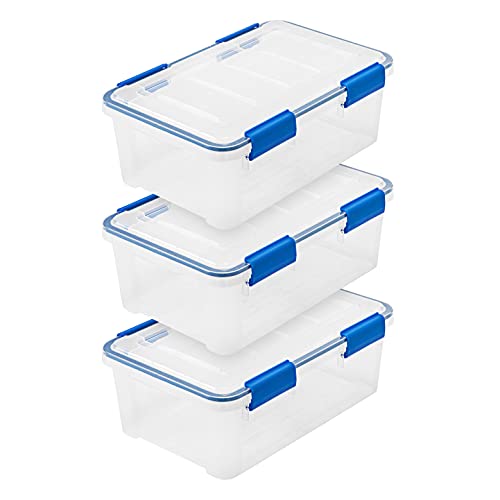
Once fully set, remove the wax from the molds carefully. Store in a cool, dry place in airtight containers to prevent melting or degradation. Choose glass jars or tin containers that allow easy access during application. Label the containers with the date to keep track of the shelf life.
Applying White Wax on Different Furniture Types
To achieve the best results, treat each piece uniquely based on its material and finish. Start with wood surfaces, where a fine layer enhances grain visibility. Use a soft cloth or brush to apply a thin coat in the direction of the grain, allowing it to penetrate before buffing with a clean cloth for a subtle sheen.
For Painted Surfaces
When working with painted items, ensure the paint is fully cured. Use a light touch, as too much pressure can lift the paint. Apply a sparing amount of the mixture using a clean applicator, ensuring coverage is even. Allow it to dry and then polish lightly to achieve a smooth finish.
On Metal or Glass
If the goal is to enhance metal or glass accents, minimal application is crucial. A soft cloth works well here; it should not be thickly applied. Focus on the edges and curves to avoid streaks while creating a slightly frosted look, which adds depth without overwhelming the original finish.
Tips for Storing and Maintaining Your Wax
To preserve your homemade mixture, store it in a cool, dry place away from direct sunlight. A temperature-controlled environment helps maintain consistency.
Use airtight containers for storage to prevent moisture from affecting the integrity of your blend. Glass jars or metal tins with proper seals work best.
Periodically check the condition of your product. If you notice any separation or change in texture, gently reheat and mix it before use.
Avoid keeping the mixture near heat sources, as extreme temperatures can alter its properties and effectiveness.
For optimal preservation:
- Label containers with the date of preparation.
- Keep out of reach of children and pets to prevent accidental ingestion.
- Consider making smaller batches to ensure freshness.
When applying, ensure that the surface is clean and free from dust or residues. This promotes better adherence and longevity of the coating.
Every few months, revisit your supply to ensure it remains in good condition. If you experience any issues with application, it may be time to create a new batch.
FAQ:
What materials do I need to make white wax for furniture?
To create white wax for furniture, you will require a few key materials. Primarily, you’ll need beeswax, which serves as the base. Additionally, you’ll need a soft oil, such as mineral oil or lemon oil, and white pigments or chalk to achieve the desired color. A heat source like a double boiler will also be necessary for melting the wax.
Can I use other types of wax for making white furniture wax?
Yes, you can experiment with different types of wax. While beeswax is ideal due to its natural properties and scent, you could also use carnauba wax or paraffin wax. However, keep in mind that the result may vary in terms of texture and finish, so you might need to adjust the ratios when combining with oils and pigments.
How do I apply the white wax to my furniture effectively?
Applying white wax to furniture can be done easily by following these steps. First, ensure the surface is clean and dry. Use a soft, lint-free cloth or wax applicator to apply the wax in a circular motion, ensuring even coverage. Allow it to sit for a few minutes to let it penetrate the wood, then buff with a clean, dry cloth to achieve a smooth and shiny finish.
Is there a specific technique for mixing the wax and oil?
Yes, mixing the wax and oil can significantly impact the consistency of your white wax. A common ratio is about 1 part oil to 4 parts wax. Start by gently melting the beeswax in a double boiler. Once it’s completely melted, slowly stir in the oil until well combined. The mixture should be smooth and pourable. If you want a softer wax, you can increase the oil slightly.
How can I store leftover white wax for future use?
Storing leftover white wax is a straightforward process. Allow the wax to cool completely and solidify in your mixing container. Once set, transfer it to an airtight container or wrap it in plastic wrap to protect it from dust and moisture. Keep it in a cool, dark place to maintain its consistency and effectiveness for future use.
What basic ingredients are needed to make white wax for furniture?
To make white wax for furniture, you will typically need a combination of beeswax and a solvent, such as mineral spirits or turpentine. Beeswax provides the primary wax component, giving the mixture its protective qualities. You may also want to add a small amount of carnauba wax for added hardness and slight gloss. For coloring, titanium dioxide can be used to achieve a white appearance. It’s important to measure the ingredients carefully to ensure a good consistency and performance in your final product.