
 Caleb Turner

Begin with selecting suitable planks; pine and plywood are both excellent choices. Their affordability and workability allow for a variety of projects without breaking the bank. Measure your space accurately to determine the size of the items you’ll construct–this ensures a perfect fit and maximizes functionality.
Utilizing a straightforward design adds both aesthetic value and ease. Consider creating a basic table or shelf. A simple rectangular shape can be achieved by cutting two long pieces for the top and two shorter ones for the sides. Reinforce stability with corner brackets or dowels, ensuring durability over time.
Finishing touches are crucial for both beauty and longevity. Sand down any rough edges to prevent splinters and apply a protective sealant to preserve the surface. This final step not only highlights the natural grains but also adds resistance against wear and moisture.
Experimentation is key; let your creativity guide you as you craft these timber pieces. With each project, you’ll develop skills and confidence, leading to unique creations tailored to your style and needs.
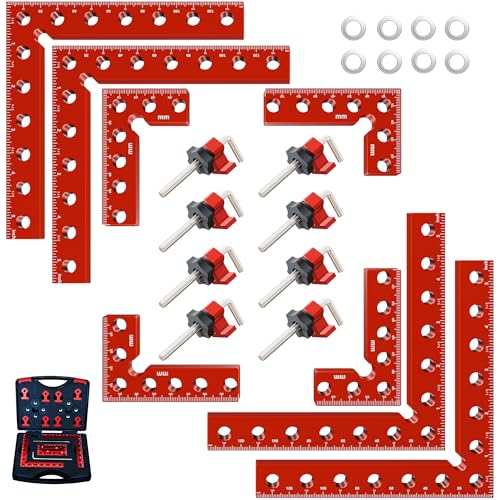


Selecting the Right Type of Wood for Your Project
Begin with determining the purpose of your item. Softwoods like pine and cedar are lightweight and easy to work with, perfect for temporary or lightweight creations. In contrast, hardwoods such as oak and maple provide greater durability and a sophisticated finish, making them suitable for long-lasting pieces.
Consideration of Grain and Appearance
Evaluate the grain patterns and colors of various species. Ash offers a unique look with its coarse grain, while walnut boasts rich dark hues. For a modern aesthetic, look at birch with its light tone and clean lines. Choose a type that aligns with your design vision.
Cost and Availability
Research local suppliers for specific timber varieties. Some types may be more affordable than others, impacting your budget. Responsibly sourced products are essential; consider reclaimed options to save costs while being environmentally conscious. Always confirm the wood’s origin and sustainability practices before purchase.
Essential Tools and Equipment for Woodworking
Invest in a table saw for precision cuts. This tool will expedite the creation of boards and panels, ensuring clean edges for your projects.
A miter saw is crucial for angled cuts. This allows me to craft clean corners and joints, essential for assembling various pieces.
Power drill is non-negotiable for drilling holes and driving screws. Opt for a cordless model for convenience and mobility around the workspace.
Include a jigsaw for intricate cuts and curves. This versatile tool will enable me to execute detailed designs that enhance the aesthetic appeal of my projects.
A reliable orbital sander aids in achieving a smooth finish. I prefer to use different grits for various stages of sanding, ensuring surfaces are ready for any treatment or coating.
I’m mindful to have a clamp set on hand as well. Clamps are indispensable for holding pieces securely while glue sets or during assembly, preventing shifts that could ruin alignment.
Invest in a high-quality wood chisel set, which allows for precise carving and detailing. Keeping them sharp is key to achieving the best results.
For safety, utilize proper personal protective equipment such as goggles, hearing protection, and dust masks. These measures ensure a safe working environment while I focus on my craft.
Lastly, keep a workbench with ample surface area dedicated to your task. A stable, organized space improves efficiency and reduces frustration during projects.
Measuring and Cutting Wood Accurately
Use a reliable tape measure for precise dimensions. Always check measurements twice before cutting to prevent errors. For square cuts, a framing square comes in handy; it ensures corners are right-angled and eliminates misalignments.
Marking Guidelines
Utilize a sharp pencil for marking lines on the timber. Consider a marking gauge for consistent depth and width if your task requires it. When drawing cut lines, extend them across the entire surface to provide a clear cutting path. I find using a straight edge makes this process smoother.
Cutting Techniques
When it’s time to cut, select an appropriate saw based on the thickness of the plank. For clean cuts, a miter saw is effective for crosscuts, while a table saw is beneficial for ripping boards. Keep the workpiece secured, use clamps to avoid movement while cutting. Always follow safety precautions, wearing goggles and avoiding loose clothing during the process.
After cutting, check for straightness using a carpenter’s square. If adjustments are needed, sand down uneven edges to achieve a clean finish. Accurate measurements and cuts lay the foundation for a successful assembly.
Joining Techniques for Sturdy Construction
For durability, I prefer using mortise and tenon joints, which provide excellent strength and stability. This method involves creating a cavity (mortise) in one piece and a corresponding projection (tenon) on the other, fitting them snugly together.
Popular Joining Methods
- Doweling: This involves drilling matching holes in both pieces of timber and inserting wooden dowels to connect them. It ensures alignment and adds strength.
- Pocket Hole Screws: This technique utilizes angled holes to drill screws into one board from the other, providing a secure bond with minimal visible hardware.
- Biscuit Joints: By cutting oval-shaped slots in both pieces and inserting biscuits, I can achieve a strong joint that aligns edges perfectly.
Considerations for Selecting a Joining Method
- Assess the weight and usage of the item to determine the strength needed in joints.
- Select a technique that matches your skill level and tools available.
- Think about the aesthetics; some joints are more visible than others and may affect the final appearance.
Testing joints with scrap pieces before final assembly allows me to refine techniques and ensure solid connections. Prioritizing the right joining method leads to robust creations that last.
Finishing Options: Stains, Paints, and Varnishes
For enhancing the aesthetics and longevity of your creations, experimenting with different finishing techniques is key. Here are effective options to consider:
| Finishing Type | Description | Application Tips |
|---|---|---|
| Stains | Stains penetrate the surface, accentuating grain patterns and providing rich color. Water-based and oil-based options are available. | Always test on a scrap piece first. Apply with a brush or rag, and wipe off excess after a few minutes for desired depth. |
| Paints | Paint offers full coverage and can completely change the look. Available in various colors and finishes, from matte to glossy. | Prepare the surface by sanding smooth and using a primer for better adhesion. Use a high-quality brush or spray for even application. |
| Varnishes | Varnishes provide a protective layer against moisture and scratches. Can be glossy, satin, or matte. | Apply with a brush or foam applicator in thin coats, allowing ample drying time between applications. Sand lightly between coats for a smooth finish. |
Inspect the finished item in natural light to ensure uniform application and depth of color. Choose based on the overall look you aim to achieve and the conditions where the piece will be used. Experimenting with samples before final application is advisable to achieve the best possible outcome.
Step-by-Step Guide to Building a Simple Table
For your table project, choose a sturdy design, like a rectangular or square shape, which provides ample surface area and stability. Begin by cutting four legs from your selected timber, ensuring a uniform length for balance. Typically, legs around 28-30 inches high work well for dining or work tables.
Next, cut two long pieces for the tabletop’s length and two shorter pieces for the width. These dimensions can vary, but a common size is 60 inches by 30 inches. Sand all edges to eliminate splinters and ensure a smooth finish.
To attach the tabletop, position the planks side by side, leaving a small gap for expansion. Use pocket hole screws or wood glue and clamps to secure them. For added stability, employ a frame beneath the tabletop using remaining pieces to create a rectangular structure, attaching it with screws or dowels.
For leg attachment, position each leg at the corners of the frame. Secure using wood screws driven at an angle, ensuring they penetrate deeply for strength. If desired, add cross supports beneath the tabletop for further rigidity, especially for larger surfaces.
Once assembled, check for wobbliness–adjust as needed. Smooth out the entire surface with sandpaper, starting from coarse to fine grit, until the surface is even.
Finish by applying your choice of stain or paint to enhance the aesthetics. A clear varnish can be used for protection. Let it dry completely before using your new piece.
Common Mistakes to Avoid in Wood Furniture Making
One major error is neglecting the importance of proper measurements. Always double-check dimensions before cutting; inaccuracies can lead to wasted materials and frustrating assembly. I often use a dedicated measuring tape and square for precise results.
Another frequent oversight is choosing the wrong type of adhesive. Not all glues are created equal; for high-stress joints, opt for PVA or polyurethane glue instead of carpenter’s glue. This decision significantly impacts the durability of joints.
- Avoid using mismatched fasteners. Ensure that screws, nails, and other components are appropriate for the project and compatible with the chosen timber. This prevents issues with structural integrity over time.
- Don’t skimp on surface preparation. Sanding is not just cosmetic; it affects adhesion for finishes. I suggest starting with a coarse grit and working up to a fine grit for a smooth surface.
Ignoring wood grain direction is a common pitfall. When cutting, always align cuts with the grain to avoid splintering. This enhances the final appearance and ensures clean edges.
- Failure to account for wood movement can lead to cracks and warping. Allow for expansion and contraction in your designs, particularly for larger pieces.
- Missing the finishing phase entirely is a serious mistake. A good finish protects the timber from moisture and wear; always apply at least one coat of varnish or oil.
Neglecting safety precautions can lead to accidents. Always use protective gear, such as goggles and gloves, and ensure your workspace is clean and organized to prevent hazards.
An unplanned project, without a clear plan or design, often results in wasted effort and resources. Take time to sketch out your idea and gather all necessary tools and materials beforehand.
Maintaining and Caring for Your Wooden Creations
Regularly dusting surfaces with a soft, dry cloth prevents the buildup of dirt and grime. This simple task protects the finish and maintains the natural beauty of the grain.
Investing in coasters is essential to avoid water rings. Always use protective mats under hot items. Heat can damage the surface and compromise the finish.
Apply a high-quality furniture polish or conditioner every few months. This nourishes the timber and enhances its luster. Look for products that contain natural oils, as they help to replenish the wood’s moisture.
Avoid placing items in direct sunlight, which can cause fading and warping over time. Using window treatments can mitigate exposure and prolong the aesthetic appeal of your pieces.
Inspect joints and connections periodically. Tightening screws or bolts can prevent structural issues later on. Addressing minor repairs promptly saves time and resources down the line.
In case of scratches, a mixture of equal parts vinegar and olive oil can conceal minor blemishes. Apply it gently with a soft cloth, following the grain for the best results.
For spills, act fast. Blot the area immediately with a clean, dry cloth instead of rubbing it. If necessary, clean with a damp cloth and dry thoroughly to prevent water damage.
Using felt protectors under the legs of tables and chairs prevents scratches on floors. This minor addition can significantly reduce wear on both furniture and flooring.
With these practices, longevity and beauty become hallmarks of your prized creations. Regular care transforms them into cherished heirlooms.


