
 Caleb Turner

Begin with a quality sandpaper, ideally 120-220 grit, to gently distress the surface. Aim for uneven patches and subtle scratches, which are key in achieving an aged look.
Following the distressing, apply a homemade stain using coffee or tea. This natural method enhances the grain while absorbing deeply, resulting in a warm, rich tone. Allow it to dry completely.


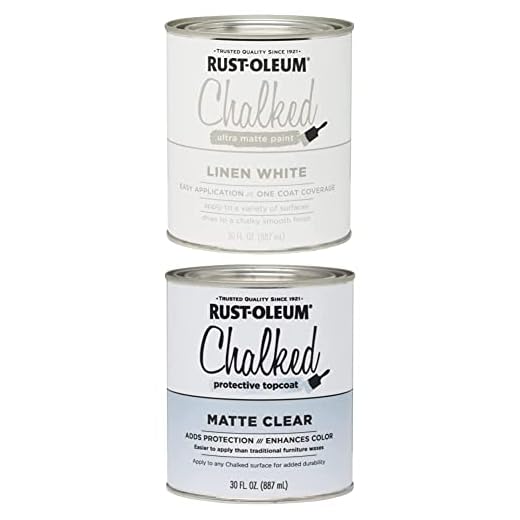
For final touches, consider a matte finish or wax to seal the surface. This will not only protect the piece but also dull any shine, further mimicking the appearance of time-worn items.
Add decorative elements such as vintage knobs or handles, which can be sourced from salvage shops or restored pieces. These small details elevate the overall aesthetic and create a cohesive style reminiscent of bygone eras.
Lastly, incorporate soft textiles like frayed cushions or worn throws to complement your piece, enriching the ambiance and tying the entire decor together with a sense of nostalgia.
Creating a Timeless Appeal
Distressing is an impactful method for achieving an aged appearance. I take a piece of sandpaper or a sanding block and focus on corners, edges, and other areas that would naturally show wear over time. A light touch is key; the goal is to create a subtle effect, not to strip the wood completely.
Layering paint can also be transformative. I opt for a base coat in a muted tone, followed by a top layer in a contrasting shade. Once dry, I lightly sand the edges and some flat surfaces to reveal the base coat underneath, imparting depth and character. Using chalk or milk paint lends an even more authentically worn feel.
Applying a glaze enhances the richness of the wood grain. After the paint has dried, I mix a compatible glaze color and apply it with a cloth, ensuring to wipe off excess. This treatment accentuates knots and blemishes, enhancing the antique charm.
To replicate timeworn finishes, I experiment with finishes that bring out the grain while darkening the overall hue. I often use oils or waxes for this purpose. A natural beeswax or hemp oil treatment not only protects the surface but also creates a warm, inviting sheen.
Incorporating vintage hardware adds authenticity. I search for distressed knobs and handles at local thrift shops or online marketplaces. Swapping out modern fittings for these unique pieces instantly transforms the character of a piece, elevating it to a classic look.
Lastly, consider the environment. I like to style my pieces within a setting that complements the vintage aesthetic, using complementary decor such as antique books, worn textiles, and rustic accents to complete the transformation.
Select the Right Paint or Stain for a Vintage Look
To achieve an authentic antique appearance, selecting appropriate paint or stain is vital. Start with muted colors that reflect the historical palette, such as soft creams, dusty blues, or faded greens. These shades often convey the essence of time-worn surfaces.
Types of Products
- Milk Paint: Ideal for a matte finish, it creates an aged look. This eco-friendly option allows for easy distressing and can be layered for depth.
- Chalk Paint: Offers a charming, chalky texture and adheres well to various surfaces. Perfect for creating a worn effect with minimal preparation.
- Oil-based Stains: Use these for a rich, deep finish that enhances the wood grain. They dry slower, allowing for longer blending and manipulation.
Application Techniques
Utilize different methods to add character:
- Wash Technique: Dilute paint with water or a medium to create a translucent layer, allowing the wood grain to show through.
- Distressing: Gouge or sand certain areas after the paint dries to replicate wear and tear.
- Glazing: Apply a glaze over a base color to add depth and simulate aging.
Test any product on a small, inconspicuous area first. This practice ensures the chosen color and method align with your vision without compromising the entire piece.
Prepare the Surface of Pine Furniture Before Finishing
Remove any existing finish using a chemical stripper or sandpaper, focusing on rough areas to ensure proper adhesion for the new coat. I prefer using a low-grit sandpaper (around 80-120 grit) to strip down surfaces accurately before transitioning to a finer grit (220) for smoothing.
Inspect the surface for dents or scratches. I often use wood filler to fill in these imperfections. After applying it, I wait for it to dry completely, then sand it down to create a seamless finish.
Ensure the surface is clean and free of dust and debris. A tack cloth is ideal for this step, capturing tiny particles that can interfere with finish application. It’s crucial to do this right before applying any product to prevent contamination.
Consider adding a coat of primer. This can enhance color vibrancy and improve the durability of subsequent layers, particularly when using a painted finish. Select a primer suited for wood surfaces for optimal results.
For a more distressed effect, light sanding or scuffing the edges can create a naturally worn appearance. I recommend being subtle to retain character without compromising structural integrity.
Distressing Techniques to Create a Worn Appearance
For achieving an authentic aged effect, I recommend employing several distressing methods. Start with sanding; use coarse sandpaper to remove paint or stain in some areas, focusing on edges and surfaces where natural wear would typically occur. Lightly round the corners for a more authentic look.
Using Tools for Distressing
A chisel or a hammer can create small dents or dings. Lightly tapping on the wood, especially in high-traffic areas, will contribute to a more rustic charm. Consider using a wire brush to scuff up the surface. This technique gives a weathered texture, enhancing the appearance of age.
Chemical and Natural Distress Methods
Applying vinegar and steel wool can create a unique aging effect. Soak steel wool in vinegar for a day; once applied to the wood, it reacts with tannins, producing a greyish patina reminiscent of aged wood. Alternatively, I choose to use tea or coffee as a natural stain, replicating discoloration over time.
Each of these techniques contributes to a unique look. Experimenting with combinations allows adjustments to achieve the desired level of distress. Patience and creativity are key during this transformative process.
Using Glazes to Add Depth and Character
To enhance the allure of your piece, I recommend applying a glaze to create a rich, layered appearance. Begin with a base coat in your desired hue, allowing it to dry completely. Next, choose a glaze that contrasts with the base color; for instance, a dark brown or antique black can bring out the wood’s grain beautifully.
Mix the glaze with a suitable medium to adjust its transparency, facilitating control over the depth of color. Using a brush or a clean cloth, work the glaze into crevices and around edges, ensuring it accentuates the natural features rather than masking them. For a more weathered effect, lightly wipe away excess glaze, leaving it in the details.
Allow the glaze to dry thoroughly before applying a protective topcoat. For a more polished finish, consider using a satin or matte sealer to maintain the distressed aesthetic while safeguarding the surface. Testing the technique on a small, inconspicuous area first will allow me to refine my approach before committing to the entire piece.
Incorporating Antique Hardware for Authenticity
Using genuine vintage hardware instantly elevates the charm of crafted pieces. Opt for unique knobs, handles, and hinges that tell a story. Scour flea markets, antique shops, and online marketplaces for authentic finds.
Types of Hardware
- Knobs: Choose glass or ceramic options with patina for added character.
- Handles: Iron or brass pieces with intricate designs enhance the classic appeal.
- Hinges: Decorative, offset hinges can transform a simple cabinet or door.
Installation Tips
- Ensure old hardware functions properly before installation.
- Align new fixtures with existing holes for a seamless look.
- Use screws that match the age of the hardware–avoid new stainless or chrome options.
Combine mismatched pieces for an eclectic aesthetic, but ensure they share a common theme or finish. This creates a cohesive yet interesting visual element that enhances the overall design.
Mastering the Shabby Chic Style on Pine Furniture
Choose a soft, muted color palette, focusing on pastel shades or whitewashed tones to achieve that classic distressed charm. Using chalk paint will allow for a matte finish that enhances the rustic appeal.
Layering Techniques for Depth
Apply multiple layers of paint, starting with a base coat in a pale color. Once dry, sand lightly to expose some of the underlying wood, adding character. Finish with a top coat of clear wax or matte varnish to protect the finish while maintaining an aged appearance.
Textural Elements
Incorporate textiles like faded linen or floral prints through cushions and throws. These fabrics complement the wood’s natural grains and wear patterns, enriching the shabby chic aesthetic. Using distressed leather can also introduce an appealing contrast to the soft hues.
Mixing different styles of décor, such as vintage paintings or repurposed items like old shutters or crates, can complete the look. These accents contribute to an inviting atmosphere that feels both lived-in and stylish.
Choosing the Right Finishing Techniques for Aging
For an aged appearance, I find that the finishing techniques play a pivotal role. Begin by selecting a base layer that mimics the natural aging process. Opt for oil-based stains or matte paints that provide a softer, worn look over time. Dilute these products to achieve a more translucent finish that allows wood grain to show through.
Next, I recommend exploring layering methods. Start with a darker stain at the creases and joints to highlight depth and variation. Follow this with a lighter top coat, applying it unevenly to mimic sun-faded areas. This technique creates visual interest and authenticity.
Another technique involves the use of a patina effect. This can be achieved through the application of vinegar and steel wool. Allow the mixture to sit for several days to create an aged solution, applying it to the surface to give a weathered, oxidized appearance.
Moreover, don’t overlook the value of sanding. Lightly distressing the edges and corners with fine-grit sandpaper can simulate wear and tear. Be cautious not to overdo it; subtlety enhances realism.
| Technique | Effect</th |
|---|---|
| Layering Stains | Depth and variation in color |
| Patina Application | Weathered, oxidized look |
| Light Distressing | Simulated wear and character |
Finally, consider using clear coats sparingly. A matte or satin finish will enhance the aged effect without adding too much shine, keeping the piece true to its vintage essence.
Mixing Different Textures for a Vintage Aesthetic
Incorporate various materials to achieve a layered effect that enhances the charm of your pieces. Combining wood with fabrics such as burlap, linen, or velvet can add warmth and intrigue. For instance, consider draping a soft, worn throw over a distressed surface to create a cozy vibe.
Sample Textures to Blend
| Texture Type | Description |
|---|---|
| Metal | Use wrought iron or brass accents to create contrast with the softness of wood surfaces. |
| Fabric | Select a mix of patterned and solid textiles that evoke a sense of age and history. |
| Glass | Incorporate vintage glassware or jars to introduce a reflective quality that complements the overall design. |
| Natural Elements | Add stone or ceramic items to introduce an organic, rustic feel that balances the other materials. |
Strategically layering these elements can lead to a cohesive aesthetic. For example, placing a metal lamp on a wooden table with a patterned table runner can create visual interest and depth. Mixing textures not only adds character but also tells a story about the sources of your inspirations.
Tips for Successful Texturing
Keep the color palette cohesive; subtle contrasts work best. Choose shades that complement each other, allowing for a seamless blend. Apply varying finishes, such as matte and gloss, to introduce layers without overwhelming the eye. Finally, don’t shy away from imperfections–those unique details are what ultimately make each piece special.
Maintaining the Vintage Look Over Time
Regular maintenance is crucial to preserve that charming aged appearance. Start by gently dusting surfaces using a soft cloth to prevent scratches. This simple action prevents grime accumulation, which can diminish the allure of the weathered finish.
For deeper cleaning, a mixture of water and a mild, pH-balanced soap works wonders. Avoid harsh chemicals that can strip away the character. Always test any solution on a hidden area first to ensure it won’t harm the finish.
Every few months, apply a quality wax or finishing oil specifically designed for aged surfaces. This not only nurtures the wood but also enhances the richness of the color, providing a protective barrier against moisture and spills.
If the finish appears dull over time, a light sanding with fine-grit sandpaper can restore the luster. Follow this by reapplying wax or oil, buffing gently to achieve that desired sheen.
Store away from direct sunlight and extreme temperature fluctuations to prevent warping or fading. Consider using coasters and placemats to protect against scratches and heat damage.
Ultimately, maintaining that delightful aged charm involves a bit of dedication and attention to detail, ensuring each piece continues to tell its story gracefully through the years.


