Caleb Turner

Using a dark wood stain enhances the natural grain of the timber, providing depth and richness. I typically opt for shades like walnut or ebony, which add an aged appearance while allowing the texture to shine through. Applying this stain with a brush makes it easy to control the intensity, and I always wipe off the excess to prevent a glossy finish, aiming for a more matte look.
Integrating distressed techniques can give a character-filled finish. Lightly sanding the edges and surfaces simulates years of wear, making the item appear authentic. I usually focus on corners and areas that would naturally show signs of use. For added authenticity, I sometimes use a hammer or a chain to introduce small dents and scratches deliberately.
Incorporating hardware like wrought iron or antiqued bronze handles can elevate the rustic feel. Choosing pieces that appear weathered contributes to the overall aesthetic, which I find complements the wood beautifully. Simple additions, like replacing modern knobs with vintage-style ones, can completely shift the vibe of the piece.

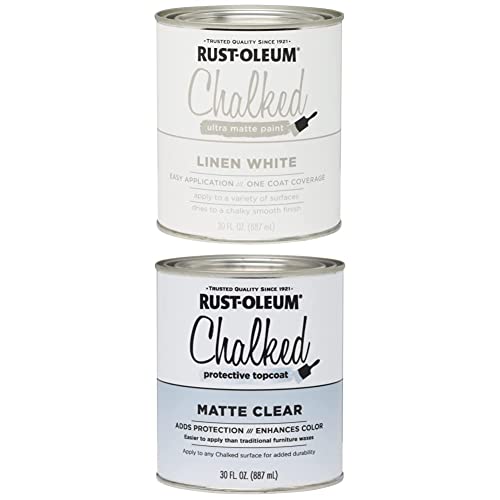

Finally, sealing everything with a matte finish ensures durability while maintaining the natural look. Rather than glossy varnishes, I prefer natural oils or beeswax, both of which nourish the wood while providing protection. The result is a warm, inviting presence that speaks to craftsmanship and timeless style.
Selecting the Right Pine Wood for Rustic Aesthetics
Choosing the appropriate variety of conifer is key to achieving a desired weathered appearance. Look for wood species such as Eastern White Pine or Southern Yellow Pine, known for their distinctive grain patterns and imperfections that add character. These types tend to display a natural patina over time, enhancing the earthy vibe.
Grain and Texture
Pay attention to the grain structure; tighter grains are often smoother but lack the rustic charm. Opt for boards with more knots and varied textures, which create visual interest. Hand-scraped or distressed surfaces can further amplify the rugged appeal. These features not only reflect age but tell a story within the material itself.
Color and Finish
Select hues that align with a natural ambiance. Lighter shades, such as those found in Scandinavian designs, can evoke a fresh feel, while darker tones can contribute to a more traditional, timeworn aesthetic. Using oil-based stains instead of paint allows the wood’s natural features to shine through, preserving its unrefined beauty. Consider matte finishes that avoid shine for a more organic effect.
Choosing Suitable Stains and Finishes for a Rustic Look
The first step is selecting a stain that enhances the natural grain of the wood. Opt for darker hues like walnut, pecan, or even espresso to achieve a deeper, more aged appearance. For a lighter feel, consider oak or cedar stains, which provide a weathered look reminiscent of traditional countryside pieces.
Oil-Based vs. Water-Based Stains
Oil-based stains penetrate the wood deeply, providing a richer color and a slight sheen. They also offer greater durability against wear. Conversely, water-based options dry faster and have less odor, making application easier. However, they may require additional coats to achieve the desired depth. Testing both types on a scrap piece can help determine which best aligns with the vision.
Finishing Touches
Select a finish that complements the stain while protecting the surface. Matte finishes are ideal for a timeless, aged look, while satin finishes add a subtle sheen. Certain brands offer multi-surface varnishes that are user-friendly and enhance the wood’s character without overpowering it. Don’t forget to consider a protective finish for high-use areas to maintain the piece’s integrity over time.
Applying Distressing Techniques to Enhance Character
To create a timeworn essence in wood pieces, I recommend using techniques like sanding, hammering, and adding dents. These methods evoke a sense of age and authenticity. For example, gently sanding edges and corners achieves a worn-down appearance while still retaining the underlying structure.
Next, I find that using a hammer can create unique indentations. Lightly striking the surface with a claw hammer or a similar tool gives the illusion of natural wear and tear. Be careful not to overdo it; subtlety is key for a believable look.
Another method involves applying water and vinegar. Mix equal parts and lightly brush it onto the surface. This solution accelerates the natural aging of the wood, darkening it slightly and creating a more weathered finish.
Using a wire brush effectively removes some of the soft grains, simulating exposure to the elements. This method can enhance texture and depth, contributing to an authentic character.
I also prefer to apply a glaze after distressing. A glaze can settle into the crevices and highlight imperfections, further enhancing the charm of the piece. Choose a shade that complements the existing tones of the wood for a more seamless integration.
Lastly, consider embracing imperfections. Minor flaws and variations will give the piece a sense of history and individuality. Each mark contributes to the story, creating an inviting atmosphere in your space.
Incorporating Natural Elements to Complement Pine Furniture
Integrating the outdoors can seamlessly enhance your wooden pieces. Here are a few suggestions to bring that organic touch indoors:
- Plants: Incorporate potted plants or hanging greenery. Choose varieties that thrive in your space, such as ferns or succulents, which add a fresh feel against the wooden surfaces.
- Natural Textiles: Use burlap, linen, or cotton in cushions and throws. These fabrics have an earthy quality that harmonizes with the wood’s texture and warmth.
- Stone Accents: Introduce stone elements like slate coasters or a pebble centerpiece. These natural materials create a grounding contrast to the softness of the wood.
- Woven Baskets: Utilize wicker or jute baskets for storage. They bring a cozy, handcrafted vibe that complements the simple elegance of the timber.
- Wooden Accessories: Select complementary wooden items, such as handmade bowls or cutting boards, that share the warm, natural tone. This creates a cohesive look while adding function.
- Artwork featuring Nature: Hang artwork that showcases landscapes, wildlife, or botanicals. This connection reinforces the rustic aesthetic and invites natural imagery into the room.
- Candles in Natural Holders: Use candles in holders made from wood, stone, or clay. The soft glow enhances the ambiance and adds a layer of warmth to the environment.
Utilizing these elements will enrich the atmosphere and create a charming, nature-inspired space that beautifully enhances your wooden masterpieces.
Using Hardware that Complements Rustic Pine Designs
Incorporating specific hardware can significantly enhance the authentic essence of reclaimed wood creations. Opt for wrought iron or antiqued brass for handles and hinges, as these materials offer robust character while harmonizing with the natural tones of the timber. Look for pieces that present a slightly tarnished or weathered finish, which will accentuate the worn-in appeal.
Recommended Hardware Options
Here are some hardware types to consider:
| Type | Material | Style | Notes |
|---|---|---|---|
| Handles | Wrought Iron | Leaf or Hammered | Deep textures create a tactile quality. |
| Hinges | Antiqued Brass | Butterfly or Strap | Provide a vintage flair and durability. |
| Drawer Pulls | Cast Iron | Classic Cup | Functional while adding charm. |
| Foot Pads | Leather or Felt | Custom Cut | Protect surfaces without sacrificing aesthetics. |
Additional Tips
Ensure that the hardware you choose has a good balance between size and proportion to the wood pieces. Larger elements can overwhelm, while smaller ones might lack presence. Also, consider including visible fasteners such as decorative screws that match your selected materials; these can add an unexpected layer of detail that reinforces the handcrafted vibe.
Experimenting with Painting Techniques for a Rustic Effect
I recommend starting with a base coat of chalk paint to achieve a textured appearance. This type of paint not only dries quickly but also adheres well, creating a matte finish that enhances the overall aesthetic. For an authentic feel, consider using muted colors like sage green or weathered blue.
To create depth, try layering different shades. Apply a darker hue and then lightly brush on a lighter shade using a dry brush technique. This method allows the underlying color to peek through, contributing to an aged look. Remember to use a soft, bristle brush for the best results.
For added character, experiment with a sponge or rag to dab on accents in contrasting colors. This technique can mimic the effect of weathering and age, enhancing the visual interest of your piece. Don’t be afraid to apply varying pressure during this process to achieve a more natural, uneven finish.
Another technique to consider is a wash. Mix equal parts paint and water to create a diluted paint mixture. Brush this wash onto the surface and immediately wipe off the excess with a clean cloth. This will leave a subtle tint that adds warmth without overwhelming the original wood grain.
Finally, for a more dynamic look, consider combining matte and gloss finishes. Use a gloss topcoat on specific areas to mimic the sheen of natural oils that develop over time. This contrast can significantly enhance the visual texture of the wood.
Arranging Rustic Decor to Highlight Your Pine Furniture
Strategically positioning decorative items enhances the charm of natural wood pieces. I focus on complementary elements that resonate with the earthy tones of the timber.
- Use Vintage Finds: Incorporate antique or vintage objects like wooden crates, metal lanterns, or old books. These pieces add character and evoke a sense of history.
- Incorporate Textiles: Layering with woven fabrics, such as burlap or linen, creates texture. Throw pillows and blankets in muted, earthy hues further soften the overall ambiance.
- Choose Decorative Greenery: Introduce potted plants or dried flowers in rustic containers. Natural arrangements, such as wildflowers or branches, bring the outdoors inside and enhance the organic feel.
- Layer Lighting: Opt for warm, soft lighting using vintage-style bulbs or candles in holders made from metal or glass. This creates a cozy atmosphere that highlights the grain of the wood.
- Art Displays: Hang artwork with a rustic flair. Look for nature-inspired scenes or abstract pieces that incorporate natural colors. Wood-framed art enhances the connection to the decor.
Experimenting with different arrangements is vital. I regularly adjust placements to find the perfect balance that showcases the natural beauty of the wood while integrating personal touches that reflect my style.