Caleb Turner

If you’re keen on crafting unique pieces from reclaimed wood, acquiring pallets is a great first step. These versatile platforms offer a foundation for an array of projects, from tables to seating arrangements. To kick off, locate sturdy and undamaged pallets. Check local retailers or online marketplaces for free options.
Once you’ve sourced your materials, gather essential tools such as a saw, sandpaper, and screws. It’s advisable to wear safety gear, including gloves and goggles, to ensure protection throughout the process. Begin by disassembling the pallets; use a pry bar or hammer to carefully remove the planks without breaking them.
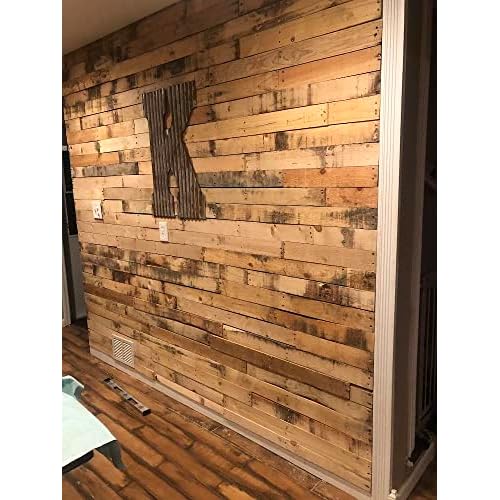


Next, plan your design. Sketch out the layout of your intended creation. Consider dimensions that best fit your space and purpose. For instance, a simple table can consist of a flat surface supported by upright wooden pieces. Assemble the components carefully, ensuring all connections are secure.
After constructing the basic shape, focus on finishing touches. Sand down rough edges for safety and aesthetics. Applying a coat of wood stain or paint can add character to your project while protecting the wood from wear. Enjoy your new piece, knowing it was crafted with your own hands!
Creating Unique Pieces from Wooden Crates
Gather a few standard wooden crates from local retailers or online marketplaces. Ensure they are in good condition, free from deep scratches or excessive splinters. For assembly, use wood screws and a power drill; these tools provide the strength needed for stability. If you choose to stack crates, always secure them together to prevent wobbling.
Finishing Touches
Once assembled, sand the surfaces using medium-grit sandpaper to remove rough edges and ensure a smooth finish. Consider applying a wood stain or sealant to enhance the appearance and protect against moisture. Open-air drying is recommended after applying any coatings to avoid trapped fumes.
Personalization Options
Incorporate cushions or upholstery for added comfort, or adorn surfaces with decorative paint. This customization not only enhances aesthetics but also allows the piece to fit your style. Use stencils or freehand designs for a unique touch, or opt for a simple, rustic look by leaving the natural grain exposed.
Choosing the Right Pallets for Your Project
Select pallets made of heat-treated wood rather than chemically treated types to ensure safety and durability. Look for the “HT” stamp, indicating that the wood has undergone heat treatment, which kills any pests without introducing harmful chemicals.
Inspecting Quality
Carefully examine each pallet before using it. Look for cracks, extensive splintering, or broken slats. Avoid those with signs of rot or water damage, as they may compromise the integrity of your project. Ensure that all boards are firmly attached and not warped.
Size and Style Considerations
Consider the dimensions based on your intended creation. Standard sizes, like 48″x40″, offer versatility, while smaller or custom dimensions can provide unique design opportunities. Different styles, such as Euro pallets, may provide a more refined look, making them suitable for indoor projects.
Tools You Need for Building Pallet Furniture
Invest in a good quality handsaw or circular saw. These tools are vital for cutting wood to size, making precise cuts for clean edges.
Joining and Securing
A drill is a must-have, allowing for easy assembly and securing components together with screws. Make sure to have a set of drill bits ready for different screw sizes.
Wood screws work well; choose the appropriate length based on your project. Alternatively, consider using wood glue for added stability in conjunction with screws.
Sanding and Finishing
A sander or sanding block ensures a smooth surface, enhancing the appearance and preventing splinters. Sandpaper of varying grits will help achieve the desired finish.
Don’t forget a protective finish, such as paint or sealant, to protect the wood from moisture and wear. Brushes or rollers will aid in application.
Lastly, safety equipment such as gloves and goggles will keep you protected while working. This is a straightforward yet pivotal aspect of any woodworking endeavor.
Preparing Pallets: Cleaning and Sanding
Begin with a thorough inspection of each piece. Check for loose nails, splinters, or any structural damage. Remove debris using a stiff brush or cloth to ensure a clean surface before proceeding.
Washing is vital. Use warm soapy water to eliminate dirt and chemical residues. A pressure washer can be effective for deep cleaning, particularly for stubborn grime. Allow the wood to dry completely in a well-ventilated area.
Once dry, sanding becomes your next step. Use medium-grit sandpaper (around 120 grit) for initial smoothing. Focus on rough areas, edges, and any splintered spots. After this, switch to finer sandpaper (220 grit) to achieve a smooth finish, perfect for handling.
For larger surfaces, an electric sander speeds up the process, but it’s crucial to maintain even pressure to avoid gouging the wood. Always sand in the direction of the grain to preserve the appearance.
Don’t forget to wear a dust mask and goggles during this stage to protect yourself from airborne particles. Once the sanding is complete, wipe the wood with a damp cloth to remove any dust before applying finishes or treatments.
Basic Techniques for Assembling Reclaimed Wood Creations
Begin with a strong framework by ensuring all pieces fit together tightly. Use screws instead of nails for durability, especially in joints that will bear weight. Pre-drilling holes will prevent the wood from splitting and allow for smoother assembly.
Joining Methods
For secure connections, utilize pocket hole joinery to create invisible joints. This technique provides strength without visible fasteners. Alternative methods include dowel joints, which enhance the aesthetic and structural integrity of the design.
Finishing Touches
After assembly, apply wood glue to reinforcements and allow it to set before moving on to sanding and sealing. This step is crucial for strength. Once dried, choose a sealant appropriate for the intended use, whether indoors or outdoors.
Regularly check for any movement or wear on joints after use. Tightening screws or reinforcing joints may be necessary for longevity. This attention to detail ensures your creations remain both functional and appealing.
Design Ideas for Functional Pallet Creations
Transforming wooden structures into practical elements can greatly enhance any space. Consider a coffee table with integrated storage. By stacking and securing several slats, I can create a stylish surface while using the gaps for stashing magazines or remote controls.
Multi-Use Seating Solutions
A bench that doubles as a storage unit is another smart approach. By adding a hinged top to a sturdy frame, I not only offer a spot to sit but also keep cushions or outdoor gear hidden away.
Creative Vertical Displays
<p.Vertical arrangements serve as both decor and utility. Constructing a wall-mounted shelf allows me to display plants or books while taking up minimal floor space. Using crates or modified slats ensures these elements remain eye-catching and functional.
Creating Comfortable Seating with Pallets
To craft cozy seating, consider constructing a simple bench. Begin with stacking pallets horizontally, ensuring they’re even and stable. Secure them together using screws or brackets for added strength.
Next, add cushions. Opt for thick outdoor-grade foam cut to size, followed by fabric that complements your style. Use fast-drying materials to withstand the elements, and secure the fabric over the foam with a staple gun for neatness.
For an inviting look, think about including throw pillows. Choose various sizes and patterns to enhance comfort and aesthetics.
- Sturdy Base: Ensure the pallets are in good condition with no broken slats.
- Alignment: Keep edges aligned for a polished finish.
- Cushioning: Keep thickness to at least 4 inches for comfort.
- Stability: Test the seating before usage to ensure safety.
If you’re feeling creative, consider adding armrests made from additional slats or smaller pallets. These can be attached using hardware for stability. Sand down rough edges to create a smoother experience.
Lastly, protect your creation with a weatherproof sealant to extend its life outdoors. Regular maintenance will keep the seating looking fresh and inviting. Consider periodic cleaning and reapplying the sealant as needed.
Using Pallets for Outdoor Creations
Choose treated wood for outdoor constructions to withstand varying weather conditions. Always consider applying a weather-resistant sealant for enhanced durability and longevity. Before assembly, verify that the wood is free from hazardous chemicals, especially if furniture will be in proximity to food or children.
Utilize lightweight designs to facilitate easy movement and rearrangement of your items as seasons change. Consider adding wheels to larger pieces for mobility, which allows for effortless transportation during inclement weather or seasonal storage.
Incorporate built-in storage solutions for gardening tools or outdoor accessories. A simple bench with under-seat storage not only provides seating but also helps organize outdoor spaces, keeping everything tidy and easily accessible.
Experiment with various finishes; weather-resistant paint or stains can provide not only aesthetic appeal but also added protection against moisture and UV rays. Staining can enhance the natural beauty of the wood while ensuring its survival against the elements.
Implement comfortable cushioning on seating arrangements. Outdoor cushions should be made from water-resistant fabric, ensuring they withstand rain and sun exposure without deteriorating quickly. Consider quick-drying foam for added comfort and convenience.
Be mindful of your surrounding environment. Select colors and styles that complement your outdoor space and ensure that your constructions integrate seamlessly with your garden or patio. Using greenery or floral patterns can enhance the overall aesthetic and create a harmonious look.
Regular maintenance is key to sustaining the initial quality. Periodically check for any signs of wear, especially after harsh weather. Sanding down rough areas and reapplying protective finishes will keep everything looking fresh and inviting.
Finishing Touches: Staining and Sealing Pallet Furniture
Choose a high-quality wood stain to enhance the natural beauty of the boards. I prefer using oil-based stains, as they penetrate deeper and offer richer colors. When applying, ensure the surface is clean and dry, then use a brush or cloth to apply an even coat. Follow the manufacturer’s instructions regarding drying time and the number of coats necessary for optimal color depth.
Sealing the Surface
After staining, sealing is crucial for protecting against moisture and wear. Select a durable sealer such as polyurethane or a water-repellent finish. Use a brush or spray to evenly coat the surfaces, ensuring you get into any crevices or corners. Two to three coats may be required for comprehensive protection, with light sanding between each coat to achieve a smooth finish.
Maintenance Tips
To prolong the life of your creation, regular maintenance is necessary. Wipe surfaces with a damp cloth to remove dust and debris. If significant scratches or wear appears, consider reapplying the stain and sealant as needed. Keep the item out of direct sunlight to prevent fading, and store it in a dry place during severe weather conditions.
| Finish Type | Application Method | Recommended Uses |
|---|---|---|
| Oil-based Stain | Brush or Cloth | Indoors and Protected Outdoors |
| Polyurethane Sealant | Brush or Spray | High Wear Areas |
| Water-repellent Finish | Brush or Spray | Outdoor Use |
Investing time in these details not only enhances aesthetics but also greatly increases longevity, allowing enjoyment of your project for years to come.
Safety Tips When Working with Pallets
Always wear appropriate safety gear. Goggles, gloves, and a dust mask protect against splinters and harmful particles.
Inspecting the Wood
- Check for sharp edges or splinters before handling.
- Avoid any pallets that show signs of mold, severe damage, or chemical treatment.
- Identify if the pallets bear the “HT” stamp, indicating heat treatment rather than toxic chemicals.
Working Setup
- Ensure your workspace is well-lit to avoid accidents.
- Use a stable working surface to prevent materials from shifting unexpectedly.
- Keep the area free of clutter to minimize tripping hazards.
Utilize proper tools with safety features. For example, select saws with guards and use clamps to secure pieces when cutting.
Always maintain a clean working environment. Clear away dust and debris regularly to enhance visibility and safety.
- Store tools and materials in designated spots to prevent accidents.
- Don’t overload your workspace with excess materials that could fall.
Test for stability and strength before using any constructed items. A wobbly table or chair can lead to injuries.
Finally, take breaks to prevent fatigue. Working for long periods can lead to lapses in attention and increased risk of injury.
FAQ:
What types of pallets are best for furniture making?
When choosing pallets for furniture making, look for heat-treated pallets, which are safe and free from pesticides. Avoid chemically treated pallets, as these can contain harmful substances. Standard European pallets (Europallets) and non-branded pallets from local suppliers are often good choices. Check the pallets for damage and ensure they are sturdy before beginning your project.
What tools and materials do I need to get started with pallet furniture?
To create pallet furniture, you’ll need some basic tools like a saw (circular or hand saw), a drill, screws, a measuring tape, sandpaper, and a level. Optional tools, such as a sander and a paintbrush for finishing touches, can enhance your project. As for materials, you’ll primarily need pallets, but you may also want paint or stain for finishing, cushions for seating, and screws or other fasteners to hold the pieces together securely.
Can you provide a simple project example for beginners?
A great beginner project is making a pallet coffee table. Start by laying two pallets on top of each other for height. Secure them together using screws. Next, add a top surface by cutting a piece of plywood to fit, which gives a smooth finish. Sand the edges and surfaces to prevent splinters. Finally, you can paint or stain the table to match your decor. This simple project provides a functional piece while allowing you to practice your woodworking skills.
How can I ensure my pallet furniture is safe to use?
To ensure your pallet furniture is safe, start with quality pallets that are not damaged or splintered. Sand all surfaces thoroughly to eliminate sharp edges and splinters. If using a finish like paint or stain, select non-toxic options. Make sure to assemble pieces securely with screws, checking for stability. Finally, consider the weight capacity of the furniture, especially for items like chairs, to ensure they can safely support the intended load.