
 Caleb Turner
One effective way to diminish the warm tones in your timber pieces is to apply a whitewash or diluted paint. This technique lightens the surface while preserving the natural grain. Begin by mixing white paint with water in a 1:1 ratio, and test the mixture on a small, inconspicuous area before full application. Use a brush or cloth to apply the mixture evenly, then wipe away excess with a clean cloth to control the shade.
Another approach involves using a stain that has cooler undertones. Look for products labeled as gray or charcoal, which can neutralize the orange appearance. When using wood stain, ensure the surface is properly sanded and cleaned for even absorption. Apply the stain with a brush, following the wood grain, and wipe off the excess after a few minutes to achieve the desired tone.


Additionally, consider exposing the wood to natural light. Ultraviolet rays can help to fade the orange pigmentation over time. Position your pieces near windows or outdoors for short periods, ensuring that the wood does not become excessively weathered or damaged in the process.
Finally, maintaining a consistent environment with stable humidity and temperature can help in preventing further discoloration. Regularly monitor conditions where your wooden pieces are kept and make adjustments as needed to preserve their beauty and authenticity.
Understanding Wood Characteristics
The natural hue of this hardwood often presents a warm, rich tone that can appear orange. Knowing its density and grain can help in managing its aesthetics. This species is known for a prominent grain pattern, which can impart a sense of depth.
Density and Durability
This timber is characterized by high density, providing both strength and resilience. A denser wood can be more resistant to wear and damage, ensuring a longer lifespan for items crafted from it. Additionally, its durability makes it suitable for various applications, standing up well to daily use while also accommodating finishing products effectively.
Grain Patterns and Texture
The grain can vary significantly, showcasing straight, wavy, or even curly patterns. A smoother finish can reduce any harshness from prominent patterns and offer a more muted appearance. Furthermore, the texture can influence the light reflection, contributing to how color is perceived. Choosing appropriate sanding techniques before applying any treatments will enhance the visual outcome.
With an understanding of these characteristics, I can select the right approach to alter the appearance and achieve a desired aesthetic in my projects.
Choosing the Right Stain for Oak Furniture
I recommend opting for water-based stains with a gray, brown, or neutral tone to counteract the amber hues commonly found in this wood. These shades naturally tone down the warmth, providing a more subdued appearance.
Testing the stain on a sample piece is crucial. I suggest applying several coats, as the final color can vary significantly depending on application thickness. This allows for better judgment of how the stain alters the original tone.
Consider using a pre-stain wood conditioner to ensure even absorption. This is particularly useful for achieving a consistent finish across different grains, mitigating the risk of blotchiness that can enhance unwanted warmth.
An oil-based stain can also work but requires careful selection. Look for cooler undertones in these products, as they typically deepen color while reducing the orange effect. Additionally, slow-drying formulations allow for easier manipulation of the final shade.
For a lasting finish, follow up with a clear topcoat designed to protect the stained surface. A matte or satin finish can keep the appearance muted, preventing reflections that might emphasize the underlying warmth.
Applying a Bleaching Solution to Oak
I recommend employing a bleaching solution to reduce the warm hues commonly associated with this hardwood. A two-part bleaching approach, utilizing sodium hydroxide (lye) and hydrogen peroxide, effectively lightens the surface while preserving the grain.
Start with a thorough cleaning of the surface to remove any dirt and oils. Prepare a sodium hydroxide solution (1 part lye to 3 parts water) in a well-ventilated area, wearing proper protective gear including gloves and goggles. Apply the solution with a brush, ensuring even coverage. Let it react for about 15 minutes, then rinse thoroughly with water to neutralize the lye.
After drying, use hydrogen peroxide (approximately 20% concentration) for further lightening. Apply this with a clean cloth or brush, and allow it to sit for 30 minutes. This step amplifies the lightening effect while enhancing the wood’s natural patterns.
To minimize any excess bleached appearance, consider applying a wood conditioner after the bleaching is complete. This helps prepare the surface for subsequent finishes or stains, ensuring a uniform application and better absorption.
Timing is key; allow ample drying time between applications. Monitor progress to avoid over-bleaching, which can lead to an unnatural look. After achieving the desired tone, follow with your chosen finish for protection and enhancement.
| Step | Action | Notes |
|---|---|---|
| 1 | Clean surface | Remove dirt and oils |
| 2 | Apply sodium hydroxide | 1 part lye to 3 parts water, 15 minutes |
| 3 | Rinse | Neutralize lye with water |
| 4 | Apply hydrogen peroxide | 20% concentration, 30 minutes |
| 5 | Condition surface | Prepares for finishing |
Following these steps will yield a lighter, more neutral appearance, complementing various decor styles and enhancing the wood’s inherent beauty.
Using White Wash Techniques on Oak
I recommend mixing white paint with a water-based polyurethane to achieve a white wash effect. Start with a ratio of one part paint to four parts polyurethane. Adjust this mixture based on desired opacity.
Before applying the finish, prepare the surface by sanding thoroughly with fine-grit sandpaper. Clean the dust with a damp cloth to ensure optimal adhesion.
Application involves a few key steps:
- Using a brush or cloth, apply the white wash mixture in even strokes along the grain.
- Wipe away excess product with a clean cloth while the finish is still wet to control the intensity.
- Allow it to dry completely before assessing the color. You might consider adding a second coat for a more pronounced effect.
To enhance durability, consider sealing the finished surface with a clear topcoat. This also helps maintain the finish’s brightness while providing additional protection.
Periodically reapply the topcoat to preserve the look over time, particularly in high-use areas.
Experimenting with Paint Options for Oak Furniture
To reduce the intense hue, I opt for a high-quality primer. I apply a stain-blocking primer to assist in neutralizing the warm undertones. Choosing a white or gray primer aids in creating a lighter base for the topcoat.
After priming, I experiment with various paint colors. Soft grays or cool whites counteract the amber shades effectively. For a more contemporary look, I mix in subtle pastel tones, such as pale blues or mint greens, which provide a refreshing contrast. Choosing satin or matte finishes minimizes reflection, helping to create a softer appearance.
Another useful technique is to use a glaze over the paint. This allows for a more layered appearance while also adjusting the final tone. Mixing a transparent glaze with a hint of color shifts the hue further toward cooler shades. It can be particularly effective when applied with a brush, allowing for gentle manipulation of the color intensity.
Testing various options on small sections is critical before committing to an entire piece. I suggest applying paint in thin layers. This approach allows me to gradually build the desired color while maintaining visibility of the wood grain, which adds character.
Lastly, sealing the completed work with a clear matte topcoat further protects against scratches and wear. This can also subtly alter the finished color, often toning down bold shades and softening the overall appearance.
Sealing and Finishing for Desired Color Tone
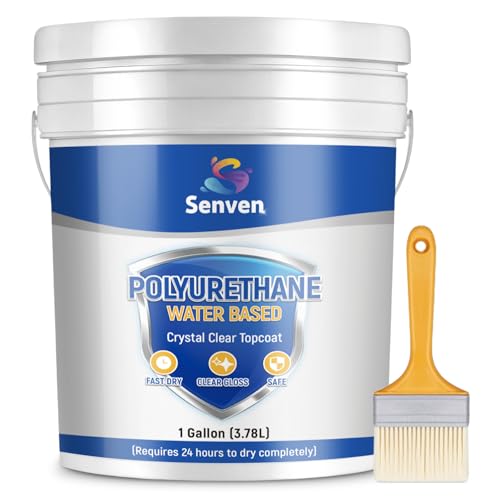
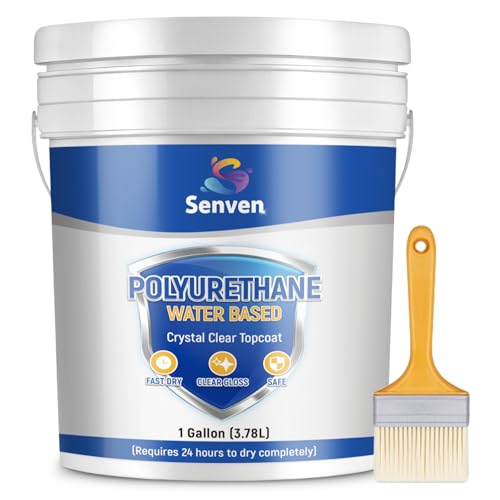
For achieving a toned-down shade in woodwork, I recommend using clear finishes with a subtle hue, such as water-based polyurethane. This type of sealer not only protects but also enhances the natural grain without imparting a pronounced tint.
Choosing a Tint
When selecting a topcoat, I found that those labeled as “extra clear” or “matte” often allow the underlying color to shine through while minimizing unwanted warmth. Consider experimenting with a tint added to the finish; grey or white tints can effectively mute the orange tones. A small test patch is advisable before applying the finish to the entire piece.
Application Techniques
Using a foam brush or a lint-free cloth works best for applying the sealer evenly. Two or three thin coats can create a richer, more refined look without overwhelming the natural appearance. Sand lightly between coats with fine grit sandpaper to achieve a smooth, even finish. Ensuring the piece is free of dust before application is key for a flawless result.
If I want to amplify the muted effect, I sometimes add a wash layer using a diluted paint in a neutral tone before sealing it. This method enhances the textural depth while still preserving the wood’s character.
Maintaining and Caring for Altered Wood Products
Regular cleaning is essential. I use a soft, damp cloth for dusting. For deeper cleans, a mixture of mild soap and water helps, but I ensure the wood is completely dry afterward to prevent moisture damage.
Conditioning the surface every few months keeps the finish looking fresh. I apply a high-quality wood conditioner using a microfiber cloth, which helps to maintain the integrity of the wood grain and finish.
Repairing Scratches and Dents
For scratches, I utilize a matching wood filler or crayon for minor imperfections, filling them in carefully. Once filled, fine sanding and reapplying the finish restore the original look. Dents can often be lifted by applying a damp cloth over the area and using an iron on low heat. The steam from the cloth helps the wood fibers swell back into place.
Protecting from Direct Sunlight
To preserve the altered color tone, I avoid placing items in direct sunlight. UV rays can cause fading and discoloration over time. Using window treatments or placing pieces away from direct light sources safeguards the finish.
By keeping up with cleaning, conditioning, and protecting from environmental factors, I ensure that my transformed wood items remain beautiful and pristine for years to come.


