Caleb Turner

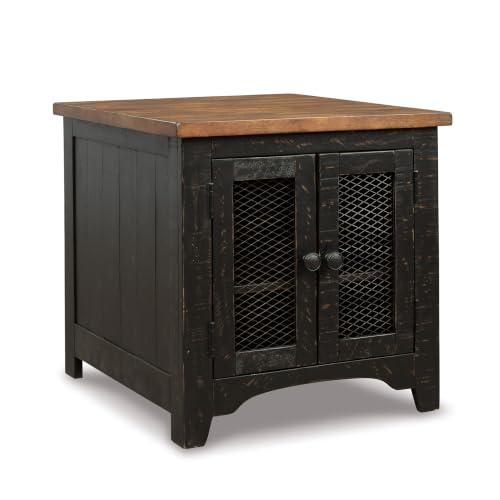
If you want to infuse a charming, aged quality into sleek, contemporary items, a quick solution is to apply a layer of paint followed by distressing. Choose a muted color palette, such as sage green or dusty blue, and use chalk or milk paint for a matte finish that enhances the vintage effect.
Another technique involves introducing texture. I often use sandpaper to scuff the edges and corners of the item. This wear-and-tear simulates the passage of time, giving a unique character to each piece. Don’t shy away from strategic dings or scratches; they can add authenticity.
Consider adding hardware that complements a traditional vibe. Antique brass or wrought iron handles and knobs contrast beautifully with modern lines. Sourcing these elements from second-hand shops or online marketplaces can help maintain a budget while enriching the narrative of your creations.
Finally, accessorizing is key. Incorporate elements like woven baskets, vintage fabrics, or weathered wood accents to create an inviting, comfortable atmosphere. Each small addition contributes to a cohesive rustic aesthetic while showcasing the revamped pieces.
Selecting the Right Materials for Rustic Finishes
Opt for reclaimed wood for its weathered charm and historical significance. This option offers unique grain patterns and character that synthetic alternatives simply cannot replicate. Each piece carries its own story, enhancing the overall aesthetic.


Metal elements, especially wrought iron or aged steel, contribute an industrial vibe that complements wooden components. Incorporating these materials in hardware or accents can create a striking contrast that embodies a rustic essence.
Choosing Appropriate Textiles
Incorporate natural fibers such as linen, burlap, or cotton for upholstery. These materials not only feel authentic but also age gracefully, accentuating the desired ambiance. Patterns like plaids or florals can add a sense of warmth and coziness.
Color Palettes and Finishes
Stick to earthy tones that reflect nature–think deep browns, muted greens, and soft grays. Using matte finishes rather than glossy ones helps achieve a more organic look. A subtle patina or distressed paint technique can effectively enhance the authenticity of any piece.
Choosing the Appropriate Color Palette for a Rustic Look
For achieving an authentic countryside ambiance, I recommend selecting earthy tones such as browns, greens, and grays. These shades evoke natural landscapes, creating a soothing and grounded atmosphere. Aim for muted hues instead of intense colors to enhance that aged appearance.
Incorporating Accent Colors
To add depth, integrate warm accent colors such as deep reds, burnt oranges, or warm yellows. These colors can be introduced through accessories or fabrics, providing a visual contrast without overpowering the primary palette. Consider using them sparingly to maintain a balanced aesthetic.
Testing Samples
Before committing to a complete overhaul, I always test paint samples on a small section of the surface. Observing how the colors interact with lighting at different times of the day aids in making an informed decision. This step ensures the chosen shades resonate well with one another and achieve the desired atmosphere.
Distressing Techniques: Scratching and Weathering Furniture
Begin with surface scratching using fine-grit sandpaper or steel wool to create a worn appearance. Focus on edges, corners, and areas prone to wear, applying varying pressure for natural inconsistencies.
For deeper textures, utilize a chisel or a putty knife to simulate old tool marks. Randomly place these scratches to mimic years of use, avoiding patterns that appear artificial.
Incorporate weathering techniques such as applying vinegar mixed with steel wool. Allow the mixture to sit for a few days, then brush it onto the surface to encourage rust stains, lending an aged patina.
Another approach includes soaking burlap or cheesecloth in tea and pressing it against the surface to create uneven dark spots. This simulates years of exposure to moisture.
To add further depth, consider layering different finishes. After initial distressing, a wash or glaze can enhance shadows and highlight scratches, adding dimensionality.
Finally, seal the distressed piece with a matte finish to protect while preserving the rustic aesthetic. This approach maintains the texture and prevents potential damage from everyday use.
Incorporating Natural Wood Stains for Authenticity
Utilizing natural wood stains significantly enhances the charm of crafted items. Opt for stains derived from plant-based materials such as walnut husks, coffee, or tea for deep, rich tones.
Choosing the Right Stain
Select a stain that complements the wood species being treated. For example, oak benefits from golden hues, while pine lends itself well to darker, more aged shades. Test the stain on a scrap piece to ensure the desired outcome before applying it to the main piece.
Application Techniques
Employ a clean cloth or brush for application, ensuring even coverage. Allow the stain to soak in for a proper duration based on the type and desired intensity–typically 5 to 15 minutes–then wipe off the excess for a subtle finish. This method maintains the wood’s natural grain while enhancing its character.
| Stain Type | Suggested Wood | Color Outcome |
|---|---|---|
| Walnut Husk | Birch | Rich Brown |
| Coffee | Pine | Warm Chestnut |
| Tea | Oak | Golden Honey |
Finishing with a matte sealant after staining preserves the look while providing durability. This technique not only safeguards against scratches and fading but also maintains the authentic nature of the wooden surfaces.
Using Paint to Achieve a Rustic Aged Appearance
To create an aged, worn look, I recommend using chalk paint or milk paint, both of which provide a matte finish ideal for mimicking natural wear and tear.
Here’s a step-by-step approach:
- Choose a base color. Opt for soft, muted hues like pale gray, off-white, or dusty blues for an authentic feel.
- Apply a primer if necessary, especially on glossy surfaces to ensure better adhesion.
- After the primer dries, I usually apply a coat of chalk or milk paint. I like to use a brush for better texture and coverage.
- Let the paint dry completely before distressing. This enhances the natural look by allowing for easy manipulation.
For distressing, using sandpaper or a damp cloth to rub off selected areas simulates the effect of years of use. Focus on edges, corners, and areas that would naturally wear down.
Next, consider adding a dark wax finish. This not only protects the surface but also deepens the color, adding character. Apply it with a soft cloth and wipe off the excess to achieve the desired depth.
Another option includes layering different colors. After the initial coat dries, I sometimes add a contrasting shade, lightly distressing it to expose the underlying color, creating a more complex look.
Finally, seal the piece with a clear matte topcoat. This will preserve the finish while maintaining that rustic charm.
Adding Hardware and Accents for Rustic Charm
I recommend incorporating aged metal hardware such as wrought iron or antique brass handles and knobs. These details enhance character and create a cohesive rustic theme. Opting for chunky or ornate designs can truly elevate the piece. For a barn-inspired look, consider using barn door pulls or hooks.
Textured fabrics, such as burlap or leather, can introduce warmth. Adding these materials as accents through cushions or throws brings a homey feel. I find that using natural fibers helps to soften the overall aesthetic while maintaining a grounded vibe.
Baskets made from natural materials not only serve functional purposes but also act as decorative elements. They can serve as storage for blankets or display items while adding an earthy tone that complements wood tones well.
Using vintage-inspired elements, such as old signs, can create a layered look. I often repurpose items like wooden crates or vintage boxes as side tables or storage solutions, enriching the overall ambience. These pieces offer a sense of history, enhancing their decorative appeal.
Draperies with a raw finish or plaid patterns can tie the look together. I prefer using earthy colors that resonate with the surrounding materials, as they create a harmonious setting. Roller shades or wooden blinds also offer a rustic edge while providing practicality.
Maintaining the Rustic Finish Over Time
Regular care is key to preserving an aged appearance. Start with a simple dusting routine using a soft cloth to avoid scratches on the surface. For deeper cleaning, opt for a damp cloth and mild soap; avoid harsh chemicals that can strip the finish.
Apply a high-quality wood wax every few months. This adds a layer of protection while enhancing the natural patina. Choose a wax with natural ingredients to maintain authenticity.
Monitor for signs of wear, such as scratches or faded areas. Touch up these spots with matching stains or paints. Keeping a small kit of leftover materials handy will allow for quick fixes.
- Consider seasonal humidity levels. In dryer conditions, wood may shrink, and mild humidity can cause expansion. Adjust climate control to maintain stability.
- Position items thoughtfully. Avoid direct sunlight, which can lighten colors and weaken finishes. Use coasters for hot or wet items to prevent damage.
- Inspect hardware periodically. Ensure hinges, handles, and knobs are secure. Loose hardware can lead to excessive wear on surrounding areas.
For deeper scratches or nicks, use fine-grit sandpaper to blend the area, followed by a touch of stain. Testing on a small, inconspicuous area first is crucial to ensure color consistency.
Finally, embrace minor imperfections as part of the charm. Like any well-loved piece, these signs of age add character and authenticity to your creation.
FAQ:
What are some simple techniques to make new furniture look rustic?
To achieve a rustic look for new furniture, consider using techniques like distressing, which involves lightly sanding edges and surfaces to mimic wear and tear. You can also apply a stain that mimics the look of aged wood, focusing on darker shades to enhance the rustic feel. Another method is to use milk paint, which gives a matte finish and can create a vintage effect. Additionally, adding hardware with an antique finish can complement the rustic aesthetics.
Can I use any type of wood stain to achieve a rustic finish, or are there specific products you recommend?
While you can use a variety of wood stains, certain products specifically designed for a rustic effect can give better results. Look for oil-based stains or gel stains, as they often penetrate more deeply and offer richer color. Brands that specialize in artisan or vintage finishes, such as Varathane or Minwax, have options suited for achieving that weathered look. Always test a small area first to see how the stain reacts with your specific wood type.
How do I properly distress new furniture to make it appear vintage?
To properly distress new furniture, start with sanding areas that would naturally show wear over time, such as corners, edges, and flat surfaces. You can use sandpaper or a sanding block for a controlled finish. After distressing, apply a stain or paint. A pale or muted color can enhance the vintage vibe. Finally, you can add some scratches or minor dents using tools like a hammer or chain to create authenticity. Finish with a protective topcoat that doesn’t shine too much to keep the rustic appearance.
What types of hardware can I use to enhance the rustic look of new furniture?
For enhancing the rustic look of new furniture, choose hardware made from materials like wrought iron, aged brass, or antique pewter. Handles, knobs, and hinges with a patina or distressed finish will complement the overall aesthetic nicely. Additionally, consider using oversized or uniquely shaped hardware to add character. Reclaimed or vintage pieces can also be a great option if you want to maintain an authentic atmosphere.