Caleb Turner

Applying a layer of antiquing glaze can alter the appearance of a piece significantly. This technique involves mixing a glaze, such as burnt umber or walnut, with a clear medium. After applying it over the surface, wiping off the excess leaves a charming, aged effect in the crevices.
Utilizing distressing techniques adds character to items. Sanding edges and corners evokes the impression of wear. A light hand with sandpaper around hardware or high-traffic areas enhances authenticity while avoiding excessive damage.
Incorporating vintage hardware brings an authentic feel. Antique knobs or handles from reclamation stores provide that final touch. Often, these elements serve as the focal points, enriching the entire aesthetic.
Using appropriate stains can alter new pieces to appear as if they’ve aged gracefully. Opting for darker hues simulates the look of rich antique wood, while lighter washes can mimic sun-bleached finishes. A layer of wax afterward encourages a soft sheen, reminiscent of well-loved items.
Layering textures creates visual interest. Adding upholstery in worn fabrics or pairing with timeworn decorations evokes a sense of history within a space. Painted finishes that show hints of the original color beneath can significantly contribute to the overall vintage appearance.

Selecting the Right Materials for Aging
Choosing appropriate resources is pivotal for achieving an authentic vintage appearance. Focus on wood types such as oak, mahogany, and pine as they develop beautiful patinas with age. Each species carries its unique characteristics and grain patterns that enhance the worn effect.
Finishes That Age Gracefully
Opt for oil-based stains or natural waxes over modern polyurethane finishes. These options allow the wood to breathe, enabling a more natural wear over time. Be cautious with water-based products, as they can create an artificial sheen unsuitable for a rustic aesthetic.
Textures and Fabrics
Consider textiles like linen or burlap for upholstery. Their uneven weaves and natural fibers contribute to a timeworn look. Pair these materials with distressed leather for seating that evokes history and character. Incorporating age-stained fabrics or vintage patterns further enhances the illusion of age.
Don’t overlook metal accents. Rusted or aged brass and wrought iron components offer an element of authenticity. Various treatments, such as vinegar or salt solutions, can artificially weather metal to achieve desired tones and textures.
Engaging deeply with these elements creates a cohesive visual narrative, making every piece resonate with a story of its past.
Techniques for Distressing Wood Surfaces
Aged character in wood surfaces is achieved through various techniques that mimic the passage of time. Here are specific methods that I find effective:
- Sanding: Start with coarse sandpaper (80 grit) to distress edges and corners. Gradually move to finer grits (up to 220 grit) to smooth rough spots but maintain unevenness.
- Use of Tools: A hammer or chain can create dings. Lightly strike the surface intermittently to achieve varied depth and sizes of the marks.
- Wood Stain: Apply a dark stain to accentuate crevices. Wipe away excess for a subtle effect, allowing the stain to settle into distressed areas for a deeper look.
- Paint Distressing: Layering chalk paint followed by sanding creates a chipped effect. Use contrasting colors for added depth; a dark base beneath a light top coat yields impressive results.
- Bleaching: Lightly bleaching the surface can create sun-faded patches, contributing to the aged aesthetic. Apply carefully to avoid uniformity.
- Waxing: A clear or colored wax can enhance the distressed appearance and protect the surface. Buffing the area brightens highlights while keeping depths subdued.
- Burning: Using a torch (with caution) to singe edges offers a rustic appearance. Ensure this is done in a well-ventilated area and monitor the effects closely.
Experimenting with these techniques in combination can yield unique and visually appealing results. Each method allows for personal expression while achieving that sought-after timeworn charm.
Choosing the Best Paints and Stains for an Antique Finish
Opt for water-based paints or stains for an authentic aged appearance, as these tend to replicate the soft, muted tones found in vintage pieces. Look for products that have a matte or satin finish, steering clear of glossy options, to avoid a contemporary feel.
Recommended Paints
Consider the following paints for achieving a beautiful, rustic aesthetic:
| Brand | Type | Finish | Color Options |
|---|---|---|---|
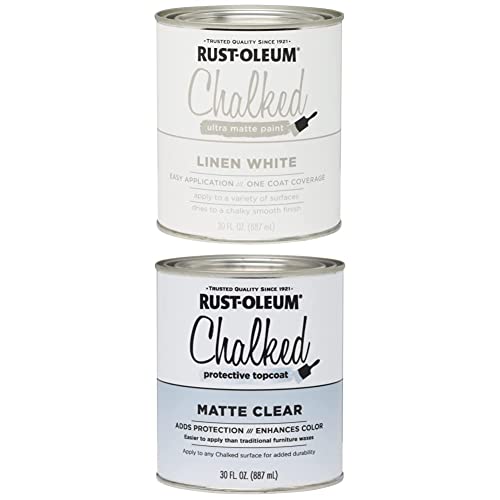
| Rust-Oleum | Chalked Paint | Matte | Soft Pastels, Greys |
| FolkArt | Home Decor Chalk Paint | Matte | Neutral Tones, Earthy Shades |
| Behr | Premium Plus | Satin | Muted Colors |
Preferred Stains
For enhancing wood grain with a timeworn effect, these stains are ideal:
| Brand | Type | Color | Notes |
|---|---|---|---|
| Minwax | Wood Finish | Dark Walnut | Rich Depth |
| Varathane | Premium Fast Dry Stain | Provincial | Quick Drying |
| General Finishes | Water-Based Stain | Antique Oak | Excellent Coverage |
Finish with a protective clear coat. Choose matte or satin to maintain the weathered look while ensuring durability. Test your chosen combinations on a scrap piece to evaluate results before applying them to the entire surface.
Applying Patinas and Aging Agents
I recommend starting with the selection of patinas and aging agents that mimic the natural effects of time on surfaces. Products like vinegar, tea, or iron-based solutions can create a weathered appearance. Vinegar mixed with steel wool is effective in producing a darkened, rusty finish, ideal for achieving an aged iron effect.
For a more subtle antiquing, I often use tea or coffee to stain the surface. Brew a strong solution and apply it with a rag. This technique imbues wood with a rich, brown hue, reminiscent of aged finishes. Experiment with concentration to achieve desired results.
Oxalic acid is a powerful agent that removes mineral stains and brightens wood. After treatment, applying a stain or natural oil can enhance color depth, resulting in a more pronounced antique feel. Test on scrap wood to gauge reactions and outcomes, as different species absorb agents uniquely.
Another option is to utilize commercial aging solutions. Many companies offer products specifically designed to mimic the patina of aged wood and metal. Ensure compatibility with the material you are working on, and follow instructions for optimal results.
For those seeking to accelerate the aging process, I advise mixing baking soda with water and applying it to the surface. The resulting chemical reaction creates a weathered texture, enhancing the appearance of years gone by. It’s a straightforward technique that yields impressive results.
In the final stages, adding a protective finish, like wax or polyurethane, can shield the applied patina and enhance durability. Choose a matte or satin finish to maintain the authenticity of the aging process. Test small areas to ensure the final layer complements the antiquing you’ve achieved.
Incorporating Decorative Elements for Authenticity
Adding decorative elements significantly enhances the vintage appeal of your project. I recommend using hardware that reflects historical designs. Seek out cast iron or antique brass knobs and hinges. These accents provide a notable contrast to the base and often reveal intricate details that were common in bygone eras.
Utilizing Textiles
Select textiles carefully. Incorporating fabrics such as burlap, linen, or faded florals can evoke a sense of time gone by. Upholstering pieces with vintage-inspired patterns or even worn-out fabrics adds layers of authenticity. Think about mixing textures like velvet and cotton to create a contrast reminiscent of earlier styles.
Adding Decorative Moldings
Consider integrating decorative moldings or trim. Carved rosettes, appliqués, or even a distressed wood veneer can elevate the overall aesthetic. I often apply a muted glaze over moldings to soften their appearance, enhancing the old-world charm. Covering surfaces with a light wash of color can mimic the effects of age and wear found in heritage pieces.
Maintaining the Antique Look over Time
Regular care is crucial for preserving the aged appearance. I recommend applying a layer of paste wax every six months. This not only provides protection but also enhances the patina, allowing the finish to develop depth and richness.
Dusting and Cleaning
Use a soft, lint-free cloth for dusting. Avoid harsh chemicals that can strip the finish; instead, opt for a mixture of mild soap and water for cleaning. Dampen the cloth slightly and follow with a dry one to prevent moisture damage.
Handling and Usage
Be mindful during use; placing coasters or mats under drinks prevents water rings, while felt pads on the underside of items avoids scratches. Temperatures should remain stable, as extreme fluctuations can cause wood to expand or contract and lose its charm.