Caleb Turner
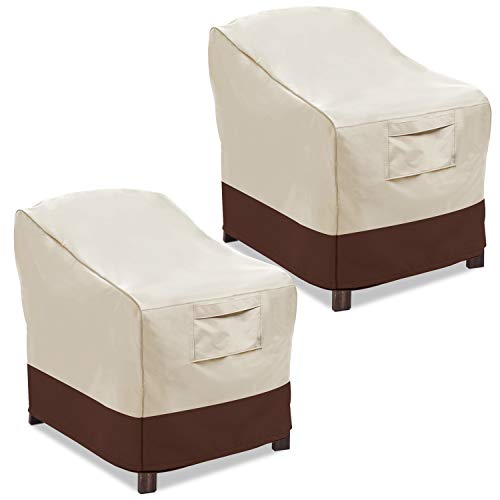
Choosing durable fabric as the primary material is imperative. Look for weather-resistant options like high-quality polyester or specifically designed outdoor textiles that resist UV fading and moisture. This ensures longevity and protection against unpredictable weather conditions.
Measurement accuracy is another vital aspect. Carefully note the dimensions of each piece, including width, depth, and height. Allow for extra fabric on edges for securing or assembling. This attention to detail guarantees a snug fit, which helps maintain structure and aesthetics.
Utilizing a sewing machine simplifies the crafting process. Straight and zigzag stitches provide strength and flexibility, ensuring seams withstand various outdoor elements. Consider adding Velcro or ties to secure protectors in place during windy conditions.
Incorporating a unique design element can make these coverings truly your own. Personal touches such as contrasting piping, embroidered initials, or custom prints reflect individual style while serving practical purposes. These enhancements can elevate the overall look of your patio area.
Creating Custom Protective Solutions
Begin with measuring every piece accurately. Use a tape measure to determine length, width, and height. Record these dimensions as they will guide your cutting process.


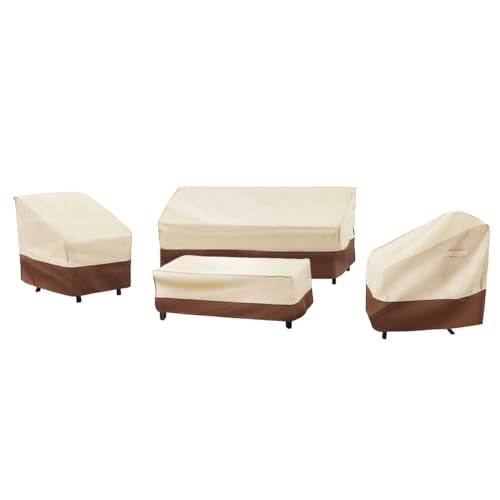
Select a weather-resistant textile, such as marine canvas or heavy-duty polyester. These fabrics resist fading and water damage, ensuring durability throughout the seasons.
Prepare your materials and tools:
- Fabric in desired colors or patterns.
- Scissors or a rotary cutter for clean cuts.
- Sewing machine or heavy-duty needle and thread for hand-stitching.
- Measuring tape and chalk or fabric marker for marking.
Cut the fabric according to the measurements, adding an extra inch for seams. If needed, create patterns for more complex shapes.
For assembly, align and pin the pieces together, ensuring the right sides face inward. Sew along the edges, reinforcing corners for strength.
Incorporate features like ties, elastic hems, or Velcro to secure the fit. These elements help to keep covers in place during strong winds.
Finish by turning the fabric right side out. Inspect for any loose threads or gaps that may allow moisture in.
Store the protective pieces neatly when not in use, ready for the next outdoor season. Regularly check for wear and tear to prolong their lifespan. Adjust sizes or patches as necessary to maintain effectiveness.
Choosing the Right Fabric for Outdoor Covers
Opt for solution-dyed acrylic fabric, which resists fading and mildew while offering UV protection. This material maintains color vibrancy and withstands harsh weather, ensuring longevity.
Nylon and polyester blends are excellent alternatives for affordability and versatility. They provide water resistance and quick drying, though they may require additional treatments for UV stability.
Consider weight; heavier fabrics offer better durability against wind and abrasion. Look for a minimum weight of 8 ounces per square yard for reliable outdoor usage.
Breathability is crucial to prevent moisture buildup underneath the covers. Fabrics with a breathable membrane can help avoid mold and mildew growth.
Incorporate water-repellent finishes for added protection against rain and spills. Regular maintenance with appropriate cleaning agents enhances fabric life.
Lastly, prioritize materials with warranties. Good coverage indicates confidence in the product’s durability and performance against the elements.
Measuring Your Furniture for Accurate Fit
To ensure a precise fit when creating protective enclosures, it’s vital to accurately measure your seating or tables. Follow these steps:
Essential Measurements
Gather the following dimensions:
- Width: Measure the widest part of the piece from side to side.
- Depth: Measure from the front edge to the back of the item.
- Height: Measure from the ground to the highest point, often the backrest for seating.
Considerations for Unusual Shapes
If your items have unique contours, break them down into standard shapes. For instance, if dealing with a sectional seating unit, measure each segment individually. Record these dimensions carefully.
| Measure Type | Method |
|---|---|
| Width | Side to side at the widest point |
| Depth | Front to back at the deepest point |
| Height | From ground to the tallest part |
Using a flexible measuring tape is advisable as it conforms better to curves and corners, providing a more precise read. Double-check your measurements to avoid errors, as accuracy plays a crucial role in the longevity and functionality of the protective layers. Don’t forget to note any armrests or distinctive features that might affect the fit.
Essential Tools and Materials for Cover Creation
Gather a sewing machine with a heavy-duty needle to handle thicker fabrics, which is crucial for durability. A pair of sharp scissors or rotary cutter will ensure clean edges, while measuring tapes help in precise dimensions.
Select high-quality outdoor fabric resistant to UV rays and water. Solutions like acrylic or polyester fabric designed for exterior use can prolong the lifespan of the finished product. Waterproofing sprays can enhance protection against the elements.
Include strong thread, preferably polyester, which can withstand outdoor conditions. A seam ripper will assist in correcting any mistakes during assembly, ensuring a polished outcome.
Bolster your toolkit with clips or pins to hold pieces together before sewing, making the assembly process smoother. An iron and ironing board can help set seams and improve the final appearance of the item.
Having a durable fabric tape or cord is useful for creating ties or securing the fit around furniture edges. Lastly, a sturdy workspace with ample room allows for measuring and cutting without hassle.
Step-by-Step Guide to Sewing Outdoor Furniture Covers
I recommend gathering all necessary materials before proceeding with the project. Prepare your fabric, thread, scissors, measuring tape, pins, and sewing machine. Once everything is in place, lay the fabric out on a flat surface where you can easily work.
Step 1: Cutting the Fabric
Using the measurements obtained earlier, cut the fabric accordingly. Leave an extra inch on each side to account for seams. I find it helpful to use a rotary cutter for precise edges, ensuring no fraying occurs during the process.
Step 2: Pinning and Sewing the Edges
Fold the edges of the fabric inward by half an inch and pin them to secure. This creates a clean edge and helps avoid fraying. Use a straight stitch on your sewing machine to sew around the perimeter, making sure to remove the pins as you sew.
For additional durability, consider using a zigzag stitch or an overlock stitch on the raw edges. This provides extra protection against unraveling, especially if the fabric is subject to wind and moisture.
Step 3: Adding Fasteners
Choose suitable fasteners based on your needs, such as Velcro, snaps, or ties. Position them strategically to ensure a snug fit. I prefer Velcro for its ease of use and adjustability. Attach one side of the fastener to the cover and the corresponding side to the furniture.
Step 4: Final Fitting
After all sewing is completed, place the covers over the items to verify the fit. Make any necessary adjustments at this stage. If you notice areas that are loose or too tight, it’s easier to make changes now than later.
This process will result in protective solutions tailored to your outdoor pieces, extending their life and maintaining their aesthetic appeal. Enjoy your handiwork and the refreshed look of your space!
Tips for Adding Waterproof and UV Protection
Selecting a fabric designed specifically for weather resistance is crucial. Look for materials labeled as waterproof or water-repellent, such as vinyl, treated polyester, or canvas with a waterproof coating.
Choose Appropriate Treatments
- Apply water repellents after sewing to enhance resistance. Products like silicone sprays or fabric guards work effectively.
- If using fabric that isn’t inherently UV resistant, consider applying UV protectant solutions to prolong lifespan.
Test Functionality Regularly
Periodically check for any deteriorating areas. After heavy rain, ensure no moisture has penetrated. For UV protection, observe any fading or discoloration; reapply treatments as necessary.
Ensure stitching is sealed with a waterproof adhesive for added security against moisture. This reinforces seams and prevents leakage.
By implementing these practices, the longevity and performance of your protective coverings significantly improve, ensuring your items remain safe and well preserved against the elements.
Maintaining and Cleaning Your Custom Covers
I recommend using a soft brush or a damp cloth to remove dirt and debris. Regularly inspect for any signs of wear, such as fading or fraying, to ensure longevity. For stubborn stains, a mild soap solution mixed with water can work wonders. Use a sponge or cloth to gently scrub the stained area, and rinse it thoroughly with clean water.
To prevent mold and mildew, allow your fabric to dry completely after exposure to moisture. This is especially important if the weather has been humid. If any mildew appears, use a mixture of vinegar and water to tackle it effectively.
For items that are machine washable, I suggest checking the fabric care label to follow specific cleaning instructions. In case of machine washing, use cold water and a gentle cycle to avoid damaging the fibers.
Storing your custom solutions in a dry place during the off-season can greatly enhance their lifespan. Use breathable storage bags to protect them from dust while allowing air circulation.
Lastly, applying a fabric protector can improve resistance against stains and UV rays, but always refer to the product guidelines to ensure compatibility with your chosen material.
FAQ:
What materials are best for making outdoor furniture covers?
When selecting materials for outdoor furniture covers, it’s important to consider durability and weather resistance. Common materials include marine-grade vinyl, which is waterproof and resistant to UV rays, making it ideal for prolonged outdoor exposure. Another great option is heavy-duty polyester with a waterproof coating; it’s lightweight yet strong and can also be treated for UV resistance. Canvas is another choice, offering breathability and a classic look but may need additional waterproofing. Always look for materials that offer both weatherproofing and durability to ensure longevity.
How can I measure my outdoor furniture for custom covers?
To accurately measure your outdoor furniture for custom covers, start by using a tape measure. Measure the length, width, and height of each piece. For tables, measure the total width and length, and also the height from the ground to the top. For chairs, measure the width of the seat, the arm height if applicable, and the overall height of the chair. It’s useful to create a sketch with these measurements to visualize how the cover will fit. If your furniture has any unique shapes or features, make sure to note those down as well to ensure a perfect fit.
Are there tips for sewing my own outdoor furniture covers?
Sewing your own outdoor furniture covers can be a rewarding project. First, choose a fabric that suits your needs, like the ones mentioned earlier. Pre-wash and dry your fabric to prevent shrinkage later. Use a sewing machine with a heavy-duty needle and outdoor thread, as these are designed to withstand the elements. Consider adding a lining to provide extra protection, and incorporate features like velcro or ties to keep the covers secure on windy days. Finally, ensure to double-stitch seams for added strength. Following these tips will help create durable and functional covers.
How can I maintain and clean my outdoor furniture covers?
Maintaining and cleaning outdoor furniture covers is essential for prolonging their lifespan. Regularly check for any debris or dirt and remove it promptly to prevent stains. For cleaning, most covers can be washed with mild soap and water; you can use a soft brush to scrub away tougher stains. Avoid using bleach as it can damage the fabric. After cleaning, let the covers air dry completely to prevent mold and mildew. To protect your covers from fading, consider storing them in a shaded area when not in use, especially during prolonged periods of heavy sun exposure.