
 Caleb Turner
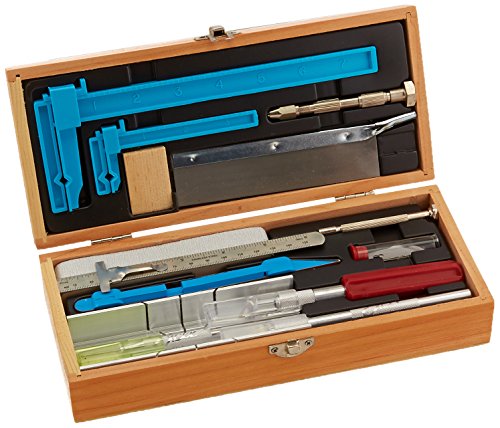
Begin with gathering materials like cardboard, balsa wood, or even repurposed items like matchboxes. These are accessible and allow for easy shaping and customization. Ensure you have sharp scissors, a craft knife, glue, and a ruler for precise measurements.
Next, sketch designs for your little creations. Consider classic pieces like chairs, tables, or beds, and take inspiration from real-life furniture. Measurements will depend on the scale you wish to create, so adjust accordingly to maintain a realistic proportion for your playthings.
Cut the pieces according to your designs and assemble them using a strong adhesive. Be patient during the gluing process to allow for proper drying. Additionally, sand any rough edges to give your items a polished look.


Add a personal touch with paint or fabric remnants. Fabric can simulate upholstery, while paint can offer vibrant colors. Don’t hesitate to experiment; the charm of these creations often lies in unique, imaginative details.
Finally, arrange your crafts in various settings. This not only enhances the aesthetic but also encourages storytelling during playtime, turning simple toys into a source of creativity and fun.
Choosing the Right Materials for Miniature Furniture
Opt for lightweight wood like balsa or basswood for structural integrity and ease of cutting. These options provide a balance between strength and manageability, crucial for intricate designs.
Wood Choices
- Balsa: Very soft, easy to shape, ideal for small-scale projects.
- Basswood: Slightly denser, offers better durability, suitable for more detailed items.
- plywood: Good for flat surfaces, can be layered for thickness.
Alternative Materials
- Cardboard: Cost-effective, perfect for temporary models or practice.
- Foam Board: Lightweight, easy to cut; best for architectural designs.
- Plastic: Durable; use for modern-looking pieces or designs requiring smooth surfaces.
Adhesives like PVA glue work well for wooden elements, providing a strong hold without damaging surfaces. For plastic components, a specialized plastic glue is recommended, ensuring a secure bond.
Consider decorative elements such as fabric, paint, and embellishments. Choose fabrics that scale correctly, such as miniature upholstery for couches. Spray paint or acrylics can enhance appearance, making pieces visually appealing without overwhelming detail.
Keep in mind the intended use and desired aesthetics of the objects. Select materials that align with both functionality and visual appeal, ensuring a cohesive look throughout your creations.
Tools Needed for Crafting Doll Furniture
To create charming pieces for tiny inhabitants, these tools will serve me well:
| Tool | Description |
|---|---|
| Craft Knife | Perfect for cutting intricate shapes and fine details in various materials. |
| Scissors | Useful for cutting fabric, paper, and lightweight wood with precision. |
| Glue Gun | Quick-drying adhesive ideal for bonding different types of materials securely. |
| Ruler | Ensures accurate measurements to maintain proportionate designs. |
| Pencil | Handy for marking measurements and layout on workpieces before cutting. |
| Sandpaper | Essential for smoothing edges and surfaces to achieve a polished look. |
| Wood Clamps | Hold pieces together firmly while the glue cures, ensuring alignment. |
| Paintbrushes | Varieties needed for applying paint or sealant evenly on surfaces. |
| Paint Palette | A surface for mixing paints to get the right shades and textures. |
| Cutting Mat | Protects surfaces while providing a stable work environment for cutting. |
| File Set | Useful for refining edges and details, especially on wood or plastic. |
| Drill | For creating precise holes in wood or sturdy materials for assembly. |
With these tools, I can efficiently shape and assemble charming creations for my tiny world.
Step-by-Step Guide to Building a Miniature Chair
Gather a piece of sturdy cardboard or plywood for the main body. Cut out a rectangular base measuring 1.5 inches by 3 inches. This will serve as the seat.
For the backrest, cut a piece measuring 1.5 inches by 2 inches. Shape the top edges to create a slight curve for a more appealing design. Attach the backrest to the rear of the seat with glue, ensuring it stands upright.
Construct the legs using wooden dowels or toothpicks. Cut four pieces, each approximately 2 inches long. Insert each leg into the corners of the seat’s underside, using glue for added stability.
To enhance the structure, I recommend reinforcing the leg connections with small pieces of cardboard or additional glue. Allow this to dry thoroughly.
Next, create a footrest by cutting a smaller rectangle from the same material used for the seat. This piece should measure about 1 inch by 2.5 inches. Position it between the front legs, approximately 0.5 inches above the base, and secure with glue.
For aesthetic appeal, consider painting or staining the chair in a desired color. Use a fine brush for detailed areas. Allow the paint to dry completely before handling.
Finally, add any decorative elements you prefer, such as fabric cushions or embellishments. These can elevate the overall look significantly.
Creating Miniature Tables: Tips and Techniques
Choose wood or foam for the tabletop; both materials offer sturdiness and are easy to work with. For table legs, consider using dowels or popsicle sticks, as they provide a robust support structure. For a more intricate design, cut small pieces of wood to create unique leg shapes.
Start with precise measurements. A common size for a table might be 3 inches in height and 4 inches in width. Cut the tabletop first, followed by the legs, ensuring they are equal in length to maintain stability.
For assembly, use wood glue or hot glue for a strong bond. If using screws, pre-drill holes in the legs to avoid splitting the wood. Clamp the pieces together while drying for the best result. A right-angle clamp can ensure corners are perfectly square.
Finish the piece with paint, stain, or varnish. Use a small brush for finer details to achieve a professional look. Consider adding a decorative touch, such as a pattern or texture, to the tabletop using decoupage techniques or stickers that suit the style you’re aiming for.
Incorporate textures with unique finishes, like sanding for a weathered appearance or painting for a modern look. Always allow adequate drying time between each coat for longevity.
Lastly, experimenting with different shapes–rectangular, round, or even asymmetrical–can add character to your design. Don’t hesitate to explore variations or themes to match the setting where the piece will reside.
Painting and Finishing Small Scale Creations
Selecting the right paint is critical. Acrylics are preferable due to their quick drying time and ease of use. For a smooth finish, consider applying thin layers, allowing each coat to dry completely before adding the next. This helps to avoid drips and uneven surfaces.
Surface Preparation
Properly preparing the surface ensures better adhesion. Sand the wood lightly with fine-grit sandpaper to create a smoother base. Clean the dust with a damp cloth after sanding to eliminate any residue that could affect paint quality.
Applying Finishes
After painting, a protective sealant is necessary. Water-based polyurethane is a reliable choice, adding durability without yellowing. Apply it in thin layers using a clean brush, paying attention to corners and details, and allow it to cure as per manufacturer’s instructions.
An option to enhance the appearance is antiquing. Use a dark wash or glaze to accentuate grooves and textures, adding depth to your creation. For a matte finish, consider using a matte sealant instead of glossy options.
Experimenting with colors and techniques can lead to unique results. Mixing paints or adding textures like sponging or stippling can create visually appealing variations in your crafted items.
Incorporating Fabric and Textiles in Doll Furniture
Opt for a variety of materials like cotton, felt, and linen to enhance the aesthetic of furniture pieces. Each fabric type brings unique textures and looks to miniature items, influencing the overall visual appeal. For seating, consider plush upholstery fabrics to create a more inviting appearance.
When choosing textiles, consider scale; patterns should be small to maintain proportion. Use printed fabrics with floral designs or geometric patterns that complement the furniture style you are creating.
Pay attention to finishing techniques. Hemming edges prevents fraying and gives a polished look. I often use fabric glue or a sewing machine to attach fabrics securely. For more complex pieces, like chairs, layering different fabric types can add depth and interest.
Take advantage of embellishments. Ribbons, lace, or buttons can elevate a design and provide a personal touch. Upholster chairs with textured fabric and add a contrasting cushion for added comfort and style.
Finally, for accessories such as cushions and throws, opt for lightweight materials that don’t overwhelm the piece. These additions can transform a simple design into a cozy setting, inviting admiration and interaction.
Displaying and Storing Your Miniature Creations
Utilize display cases to keep your handcrafted pieces organized and dust-free. Glass or clear acrylic boxes allow light to illuminate your creations while protecting them from damage.
Organizing Your Collection
- Group items by theme or color for visual appeal.
- Consider using shelves with LED lighting to enhance the aesthetic.
- Label each section to easily locate specific accessories.
For storage purposes, employ modular storage bins. This provides flexibility and easy access while safeguarding your creations from dust and accidental damage.
Long-term Preservation Tips
- Keep items in a climate-controlled environment to prevent warping or fading.
- Wrap delicate items in acid-free tissue to avoid scratches.
- Avoid direct sunlight, which can lead to discoloration over time.
Regularly inspect your collection for any signs of deterioration. Quick repairs or touch-ups will maintain the integrity of your creative works.


