
 Caleb Turner
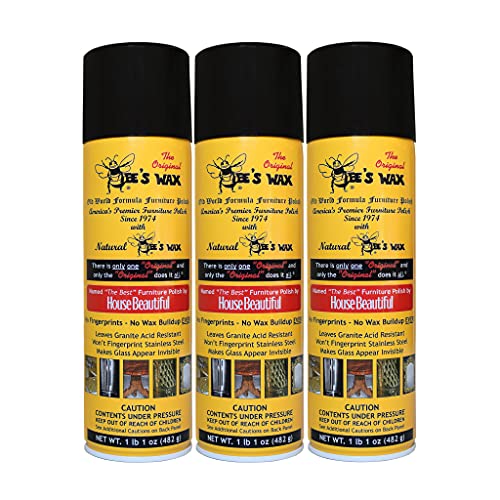
I recommend gathering the following ingredients: pure cera, carnauba for added durability, and organic oils for moisture. Combining these elements results in a protective finish that nourishes various surfaces effectively. Your choice of oils, such as jojoba or mineral, will enhance the mixture by providing additional benefits to the material.
Begin with a ratio of two parts cera to one part carnauba. Melt the materials together using a double boiler for even heat distribution, avoiding direct contact with flames. Stir until the blend is smooth and uniform. Once blended, remove from heat and add your selected oil at a ratio of one part oil for every three parts of the mixture.

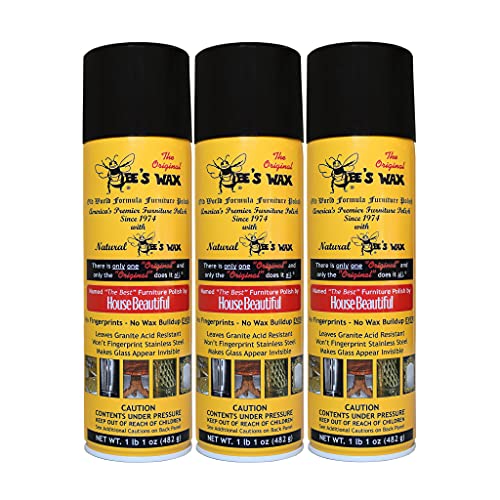
After incorporating the oil, let the blend cool slightly before transferring it into a storage container. As it solidifies, you’ll notice a creamy consistency perfect for application. Once solid, you’re ready to restore and protect your wooden surfaces, achieving a natural luster and prolonging their lifespan.
Gathering Necessary Materials and Tools
Begin with 100% pure natural beeswax. I opt for a high-quality source, as impurities can affect the final consistency and effectiveness of the product.
The next item is a suitable carrier oil, commonly mineral, jojoba, or fractionated coconut oil. Each type offers distinct properties; for instance, mineral provides a smooth finish, while jojoba enhances conditioning benefits.
A double boiler is indispensable for safely melting beeswax without direct heat exposure. If unavailable, I use a heat-safe glass bowl set over a pot of simmering water, ensuring controlled melting.
Container for Storage
Select a clean glass jar or metal tin for storage. Choosing one with a tight seal ensures longevity and prevents contamination.
Measuring Tools
Accurate measuring cups or a kitchen scale are useful for precise proportions. This helps achieve the desired thickness and texture of the mixture.
Finally, have a spatula or wooden stick at hand for mixing. I find that these tools help combine ingredients uniformly, resulting in a consistent texture. Additionally, paper towels can assist in cleanup once I’m done.
Preparing the beeswax for melting
Clean the beeswax to remove impurities. I scrape off any debris with a knife or use a fine mesh strainer to filter out particles. If the wax smells strong or has a dark color, consider using a larger amount of heat in the next steps to bleach it lightly.
Cutting the beeswax
Cut the wax into small pieces. This will allow for more even melting and reduce the time needed. A cheese grater can help, or a sharp knife works effectively for larger blocks.
Setting up for melting
Use a double boiler to prevent direct heat from damaging the wax. If a double boiler isn’t available, I place a heat-safe container inside a pot of simmering water. This method maintains a low temperature, avoiding scorching.
| Material | Preparation Steps |
|---|---|
| Beeswax Blocks | Scrape off impurities and cut into small pieces. |
| Melting Container | Use a heat-safe container for the double boiler method. |
Once prepared and set up, I monitor the melting process closely. Stir gently to ensure uniform heat distribution. The goal is a smooth, molten mixture ready for further additions.
Choosing the Right Oils for Your Furniture Wax
Opt for a combination of oils that enhance the natural beauty and durability of the finish. Specifically, I recommend:
- Tung oil: Provides a water-resistant surface and enhances the grain of the wood.
- Linseed oil: Offers excellent penetration and helps maintain moisture without a sticky finish.
- Mineral oil: Good for a food-safe option, especially for kitchen items.
- Fractionated coconut oil: Lightweight with good absorption properties, excellent for achieving a glossy look.
Consider a ratio that balances the firmness of the created product and the sheen. Typically, a mix of 2 parts beeswax to 1 part oil yields a desirable consistency. If you prefer a softer application, increase oil content.
- Test your blend: Always apply a small amount to a hidden area first.
- Adjust according to your needs: More oil can provide a glossier, softer finish, while less oil results in a sturdier texture.
Experimenting with different combinations allows me to find my ideal texture and sheen, leading to the best protection and appearance for the treated surfaces.
Melting the beeswax and mixing the oils
Using a double boiler is the safest method for melting. I fill the bottom pot with water and place the beeswax in the top pot. This gentle heat prevents scorching. Maintain a low flame to control the melting process.
As the beeswax begins to liquefy, I periodically stir it to encourage even melting. It’s important to remain attentive throughout this process, as quick temperature changes can create inconsistencies.
Once fully melted, I carefully incorporate the chosen oils. The ratio typically is one part wax to one part oil, but adjustments can be made based on desired consistency. If I prefer a softer blend, I may increase the oil ratio.
This mixture should be stirred thoroughly to ensure uniform distribution of the oils. Continuous stirring while blending prevents separation once it cools.
Avoid adding other ingredients until the beeswax and oils have fully amalgamated. This way, I can achieve the most effective results suitable for various surfaces.
Once blended, it’s essential to monitor the temperature before pouring into molds. This ensures an even application and helps maintain the integrity of the final product.
Cooling and Storing Your Homemade Mixture
After combining your ingredients, allow the mixture to cool in a stable environment. I recommend letting it set at room temperature, away from direct sunlight or drafts, which can affect the consistency. If you have poured it into containers, avoid moving them until fully solidified, typically around 1-2 hours.
Choosing the Right Containers
Select containers that are non-reactive, such as glass or metal. If using plastic, make sure it can withstand heat without deforming. I prefer small jars with a tight lid; they keep the contents fresh and are easy to handle. Label each jar with the date you prepared the product for future reference.
Optimal Storage Conditions
Store the jars in a cool, dark place, like a pantry or cupboard. High temperatures can cause the mixture to soften or separate. If you notice any changes in texture or smell, it’s best to discard the product. For long-term use, refrigeration is suitable, but ensure you allow it to come to room temperature before application for ease of use.
Applying Furniture Wax to Wood Surfaces
Begin with a clean, dry wood surface, free of dust and debris. Use a soft cloth or a vacuum with a brush attachment to ensure optimal adhesion of the polish. Apply a small amount of the homemade blend onto a microfiber or lint-free cloth. This prevents excess buildup and allows for an even application.
Work in small sections, applying the mixture in circular motions. This technique not only spreads the substance evenly but also helps penetrate the wood grain. Allow it to sit for a few minutes to absorb before buffing the surface with a clean, dry cloth. Buffing enhances the shine and creates a protective layer on the surface.
Repeat the process on all areas of the furniture, paying special attention to high-use spots, which may require additional coats for increased protection. For best results, let the applied coat cure for at least 24 hours before use. Frequent application every few months helps maintain the appearance and longevity of the wood.
In areas with heavy wear, consider using a gentle abrasive pad to lightly scuff the surface before reapplying. This promotes better adhesion and enhances the overall finish. Always test in an inconspicuous area if you are unsure of the interaction with previous treatments or the specific wood type.


