
 Caleb Turner
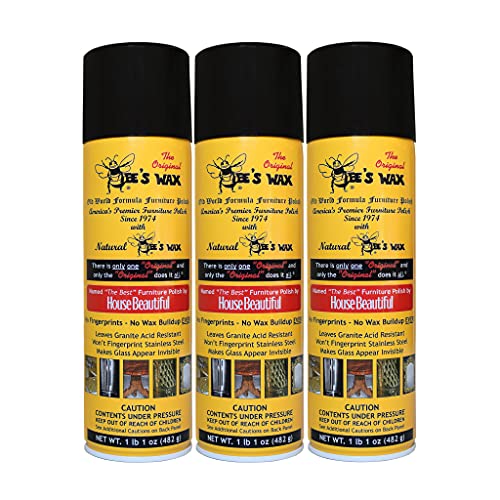
Gather a few basic ingredients: beeswax, carnauba wax, and a natural oil like jojoba or olive. Measure out 1 part beeswax and 1 part carnauba wax, then combine them in a double boiler. Gently heat until melted, stirring constantly to ensure an even blend.
Once the waxes are fully melted, remove the mixture from heat and slowly add 2 parts of your chosen oil. This step is crucial for achieving the right consistency. Stir thoroughly as the mixture cools down slightly, allowing it to thicken. To enhance the aroma, consider adding a few drops of essential oil, such as lemon or lavender.
Pour the mixture into a clean, airtight container and let it cool completely to solidify. Use a soft cloth to apply a small amount to the surface of your wooden items, gently buffing it in to restore shine and protect against wear. Reapply as needed to keep surfaces looking fresh.
Selecting the Right Ingredients for Furniture Salve
Choosing high-quality components is paramount. For the base, I prefer using beeswax, which provides excellent protection and a pleasing finish. Look for pure, organic options, as they offer superior results.
Next, I opt for a natural oil, such as mineral oil or jojoba oil. Both penetrate deeply, nourishing wood while maintaining flexibility. Ensure the oil you select is food-safe if applicable.
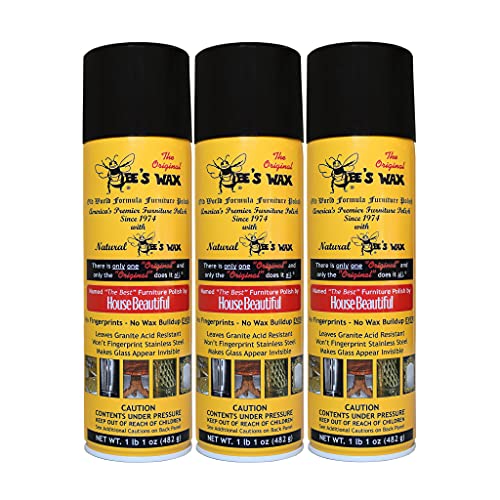

Adding essential oils enhances both fragrance and antimicrobial properties. Lavender or lemon are my go-to choices for their pleasant aroma and natural benefits. A few drops suffice.
For a touch of color and additional conditioning, I often include tung oil. It dries quickly and forms a robust barrier, making it suitable for various surfaces. Always verify the purity and formulation before use.
Lastly, I recommend conducting a small patch test with your blend on an inconspicuous area before applying generously. This ensures compatibility with the material and desired results.
Preparing the Base: Beeswax and Oil Options
For a reliable blend, I recommend using a combination of beeswax and a suitable oil. Beeswax serves as an excellent hardener, providing structure and a protective layer. I prefer food-grade beeswax, which is easier to find and ensures safety when used on surfaces that come into contact with food or items meant for consumption.
Choosing the Right Oil
Olive oil is my go-to for its accessibility and moisturizing properties. It nourishes wood and enhances its natural beauty. Alternatively, jojoba oil works well; it’s lighter and penetrates deeply without leaving a greasy residue. Coconut oil is another option; it has antimicrobial properties and adds a pleasant scent.
Beeswax Proportions
When combining beeswax with oil, I generally use a ratio of 1:4. For example, melting 1 part beeswax with 4 parts oil creates a firm yet workable blend. Adjusting this ratio allows for a stiffer or softer consistency, depending on personal preference and the intended use of the product.
Melting and Mixing: Safe Techniques for Combining Ingredients
I recommend using a double boiler method for melting ingredients like beeswax and oils. This technique prevents direct heat exposure, reducing the risk of burning. Fill a pot with water and place a heatproof bowl on top, ensuring it doesn’t touch the water. Heat gently until the beeswax melts, stirring occasionally for an even consistency.
While combining elements, it’s crucial to maintain the right temperatures. Aim to keep oils around 120°F (49°C) to avoid degradation. Use a thermometer to monitor temperatures accurately. Once everything has melted and mixed, remove the bowl from heat and allow it to cool slightly before pouring into containers. This ensures a smoother texture.
When mixing, consider stirring thoroughly to achieve a uniform blend. Incorporating additives, such as essential oils or vitamin E, can enhance the mixture without compromising its integrity. Add these last, once the base cools to around 100°F (38°C) to preserve their properties.
Always prioritize safety. Wear gloves and goggles if necessary, especially when working with hot materials. Keep your workspace clean and organized to minimize hazards and ensure a pleasant crafting experience.
Choosing Natural Additives for Scent and Benefits
For optimal results, I select natural additives that not only enhance fragrance but also contribute beneficial properties. Here are some reliable options:
| Additive | Benefits | Suggested Usage |
|---|---|---|
| Lavender Essential Oil | Known for calming effects and antibacterial properties. | 10-15 drops per cup of base mixture. |
| Lemon Zest | Provides a fresh scent and has natural disinfectant properties. | 1 tablespoon of dried zest per cup of base. |
| Peppermint Essential Oil | Invigorating aroma, helps repel insects. | 5-10 drops per cup of mixture. |
| Trees’ Resin (like Pine) | Adds a woody aroma and can act as a natural preservative. | 1-2 teaspoons per cup of base. |
| Tea Tree Oil | Strong antibacterial qualities, adds a clean scent. | 5-10 drops per cup of mixture. |
| Cinnamon Powder | Warm scent, known for antifungal properties. | 1 teaspoon per cup of base. |
Each additive serves a dual purpose–a pleasant aroma and additional benefits. Experimenting with different combinations can personalize the end product while enhancing its overall functionality.
Storing Your Homemade Furniture Salve Properly
Choose a cool, dark place for storage to extend the life of your blend. Avoid direct sunlight and heat sources, which can compromise integrity.
Utilize airtight containers to prevent oxidation and contamination. Glass jars with tight-fitting lids work well; choose dark or frosted glass for added protection against light.
Label each container with the date of creation and ingredients used. This practice aids in monitoring freshness and knowing which variants to use first.
Consider the quantity you prepare; smaller batches are easier to use within a reasonable timeframe. If experimentation leads to a less favorable result, having a smaller volume minimizes waste.
For longer-term storage, refrigeration may be favorable. However, allow the mixture to return to room temperature before use to ensure easy application.
- Store away from moisture to prevent spoilage.
- Avoid plastic containers if possible, as they can interact with natural oils over time.
- Keep out of reach of children and pets for safety.
Regularly check your concoctions for any signs of change in smell or texture, indicating a need to dispose of and possibly remake.
Applying Furniture Salve: Tools and Techniques
To achieve a seamless application, I recommend using a soft, lint-free cloth or a microfiber towel. These materials will prevent scratches and ensure even distribution of the mixture on the surface.
Preparation Steps
Before applying, make sure the surface is clean and dry. I often use a gentle cleaner to remove any dust or residues. Once dry, take a small amount of the product on your cloth; a little goes a long way.
Application Method
Using circular motions, I work the mixture into the wood grain, applying light pressure. This helps the product penetrate effectively while enhancing the natural beauty of the wood. For intricate areas, like carvings or joints, use a small brush to ensure every nook is coated.
After applying, I let it sit for about 10-15 minutes to allow for absorption. Then, I buff the surface with a clean section of the cloth to remove any excess and add a nice sheen. Regular maintenance with this technique keeps surfaces nourished and looking their best.
Maintaining Furniture: Frequency and Best Practices
I recommend applying protective mixtures every 3-6 months, depending on usage and exposure to elements. For pieces frequently used, a quarterly treatment can prolong their life and enhance appearance.
Dusting surfaces weekly prevents buildup that can scratch finishes. Use a soft cloth or microfiber duster for the best results.
For items in high-traffic areas, consider a deeper clean every month using a gentle soap solution. Test any cleaner on a small, hidden area beforehand to ensure compatibility.
Humidity affects wooden items significantly. A relative humidity level of 40-60% is ideal to maintain integrity. In dry environments, using a humidifier can stave off cracks.
Be mindful of direct sunlight exposure. Use curtains or blinds to shield surfaces from UV rays, which can fade colors and weaken finishes over time.
Doors, drawers, and hinges benefit from occasional lubrication with a natural oil to maintain smooth functionality. A simple wipe with an oil-soaked cloth keeps moving parts fluid.
Rotate cushions and pillows every few weeks to ensure even wear and maintain shape. Spot clean as needed, but avoid soaking upholstery, as moisture can lead to mold.
Regular inspection for signs of damage can prevent further issues. Look for loose joints, scratches, or signs of pests, and address them immediately to avoid costly repairs.
Use coasters and placemats to protect surfaces from heat and moisture, particularly for drinks and meals. Doing so can save a great deal of effort in restoring surfaces later.
Approaching maintenance systematically and routinely can transform the longevity and aesthetic appeal of your prized possessions significantly.


