
 Caleb Turner
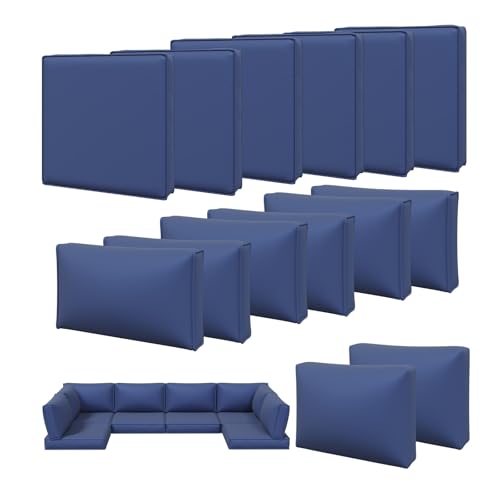
Create stylish outdoor seating or unique garden accents with discarded rubber. Begin by selecting durable, intact specimens, ensuring they are clean and free from sharp edges. Flip these resilient circles on their sides for a different dimension, or stack them for height variation.
For added stability, secure several together with robust adhesives or screws. A splash of color can transform the appearance; use weather-resistant paint or spray to achieve a fresh look. Soft cushions enhance comfort, making these creations more inviting for relaxation.


Incorporate additional elements such as wooden planks or glass surfaces on top to create tables or lounges. Using plants or decorative stones can creative a beautiful contrast, giving each design a personal touch. These reinvented accessories offer not just functionality, but also an eco-friendly approach to decor.
Creating Unique Pieces from Old Rubber
I recommend gathering a variety of discarded rubber pieces, such as old car wheels or garden planters, before starting your project. Using a utility knife, carefully cut the rubber to desired shapes according to the piece’s intended function. If aiming for seating, stack multiple sections and secure them using screws or strong adhesives.
Finishing Touches
Add cushioning and fabric upholstery to enhance comfort and aesthetic appeal. Choosing weather-resistant materials will ensure durability for outdoor setups. Consider painting the rubber with non-toxic spray paint, which not only adds a splash of color but also provides additional protection against the elements.
Design Variations
<pFor tables, I prefer using large, flat sections. Arrange several pieces in a stable formation, ensuring the top surface is level. Using tempered glass can elevate the look and functionality. Don’t hesitate to personalize your creations with decorative elements like stencils or embellishments made from other repurposed materials.
Choosing the Right Type of Tire for Your Project
Opt for passenger car tires for smaller items like stools or planters. Their compact size makes them manageable while providing sufficient support.
If aiming for larger pieces, such as benches, consider truck or SUV tires. They offer enhanced durability and strength, capable of handling weight more efficiently.
Look for tires with minimal tread wear to prevent debris and dust from infiltrating your creations. Additionally, ignore any tires that show signs of dry rot or extensive deterioration.
Consider the width of the tire as well. Wider options can serve as effective bases, while narrower choices are ideal for a sleek appearance.
Persist in finding tires accompanied by a uniform and consistent structure. This will simplify the cutting and assembling processes, guaranteeing a sturdy final product.
Be cautious about the type of rubber used. Avoid tires with excessive chemicals or treatments that could be harmful. It’s advisable to stick with traditional rubber tires that lack additional synthetic coatings.
Keep in mind that tires with a solid wheel design are usually easier to work with, while those having intricate patterns might complicate the crafting process.
Assess the intended use–will the item be exposed to the elements? If yes, prioritize tires designed for off-road vehicles, as they tend to withstand harsh conditions better.
Preparing Tires for Furniture Crafting
To ensure durability and safety in your creations, cleaning is crucial. Start by thoroughly washing each rubber piece with soap and water, removing dirt and grime. Use a stiff brush for stubborn stains. Rinse well and allow them to dry completely.
Inspection for Damage
Check each tire for any signs of wear, such as cracks or bulges. Discard any that may compromise structural integrity. Pay close attention to sidewalls and tread areas.
Surface Treatment
Consider applying a primer or sealant if painting or staining is part of your design. This will enhance adhesion and increase the lifespan of the finish. Choose products suitable for rubber surfaces.
| Step | Description |
|---|---|
| 1 | Wash tires with soap and water |
| 2 | Inspect for structural damage |
| 3 | Apply primer/sealant if necessary |
Selecting Tools and Materials Needed
For this project, specific tools and materials will streamline the process and enhance the outcome. Here’s a detailed list:
Necessary Tools
- Utility Knife – Essential for cutting through rubber with precision.
- Power Drill – Ideal for making holes or attaching components securely.
- Sandpaper – Used to smooth rough edges after cutting.
- Paintbrush – For applying paint or sealant, if desired.
- Measuring Tape – Ensures accurate measurements for cutting and shaping.
- Clamps – Useful for holding pieces together during assembly.
- Safety Goggles – Protects your eyes while cutting and drilling.
Materials Required
- Rubber Tires – Choose based on size and pattern suitable for the intended creation.
- Wood or Metal Frames – For additional structure, depending on the design.
- Paint or Sealant – Optional, for aesthetic appeal and weather resistance.
- Fabric or Foam – To enhance comfort, particularly for seating elements.
- Adhesive or Screws – Needed for fastening components securely.
This selection of tools and materials not only aids in efficiency but also contributes to a sturdy and attractive end product. Gather all items before starting to ensure a smooth workflow.
Designing Your Tire Furniture Piece
Begin with clear sketches that illustrate the dimensions and overall appearance of your creation. Specify where each component will be positioned and ensure the design combines functionality and aesthetics. Consider how the piece interacts with surrounding items and space.
Opt for a theme that resonates with your personal style–rustic, modern, or eclectic. Use contrasting colors and textures to enhance visual appeal. Paint can transform an ordinary rubber surface, while additional coverings like fabric or wood can add a unique touch.
Incorporate various elements such as cushions or glass tabletops to increase comfort and usability. Thoughtfully choose these accessories to harmonize with your primary structure. Keep proportions in mind; oversized elements may dominate the space, while smaller, delicate additions could be lost.
Employ innovative techniques like weaving ropes or adding recycled materials for depth and character. This not only enhances the look but also promotes sustainability. Aim for a balance between creativity and durability as you execute your design.
Regularly evaluate and adjust your plans as you progress, ensuring the end result aligns with your vision. This iterative approach will lead to a more satisfying conclusion, allowing spontaneous inspiration to guide adaptations. Document your design process; this can provide insights for future projects or serve as a personal reference.
Step-by-Step Guide to Making a Tire Coffee Table
Choose a round tire as the base for your coffee table. Clean it thoroughly to remove dirt and grime; this ensures a better finish and adhesion later.
Next, prepare a flat surface to place the tire on. I often use a sturdy piece of plywood as the tabletop. Cut the plywood into a circle slightly larger than the tire to create an overhang.
To add stability and aesthetics, paint the tire with a weather-resistant spray paint. Allow it to dry completely before proceeding. Choose colors that match your room’s decor for a cohesive look.
Attach the plywood to the top of the tire using strong wood glue or screws. For added security, use a drill to make pilot holes before inserting screws, ensuring you do not split the wood.
Add legs for elevation. I prefer wooden legs, which I secure with brackets for a sturdy hold. Alternatively, investing in ready-made furniture legs will save time.
For a polished finish, consider adding a glass top. Measure the inner diameter of the tire and have a tempered glass piece cut to size. This not only protects the plywood but adds an elegant touch.
Accessorize your table with coasters, decorative trays, or plants to enhance its appeal. Personalizing your design will make the piece truly yours.
Cushioning Options for Tire Furniture Comfort
For added comfort, I recommend using high-density foam to create cushions that perfectly fit the contours of your creation. This material provides excellent support and durability, making it ideal for seating areas. Make sure to choose a thickness that suits your preference, usually between 2 to 4 inches works well.
Natural Alternatives
Natural materials such as jute or cotton can serve as eco-friendly options for cushioning. They allow breathability while still offering a degree of comfort. Layering them with foam enhances coziness and adds a rustic aesthetic. Consider using organic fabrics to maintain sustainability and align with the theme of repurposing materials.
Weather-resistant Choices
If your piece will be outdoors, opting for water-resistant cushions is crucial. Look for foam encased in waterproof covers or use treated fabrics like outdoor-rated polyester. This will help resist fading and mildew, ensuring longevity. Reinforcements, such as UV-protection coatings, can further enhance performance against the elements.
Painting and Finishing Techniques for Tire Furniture
To achieve an eye-catching look, I recommend using spray paint designed for outdoor surfaces. This ensures durability and resistance to weather elements. Begin with a thorough cleaning using soap and water, followed by a light sanding to promote paint adhesion.
A base coat of primer serves as a strong foundation. After it dries, apply a top layer of your chosen color. Multiple thin coats yield a smoother finish compared to one thick application.
Consider adding a weather-resistant sealant for added protection. A clear polyurethane or acrylic sealer enhances longevity, especially for pieces exposed to moisture. Apply it after the paint is fully cured.
For a rustic or textured finish, I suggest using a sponge or brush to apply a contrasting color. Patting the surface creates a unique appearance that stands out.
Detailing with stencils adds creativity. Use adhesive stencils to protect certain areas while applying contrasting colors. Once dry, remove the stencils carefully to reveal sharp designs.
Finally, don’t overlook the importance of maintenance. Periodically inspect for wear and touch up any chipped paint to keep the appearance fresh. Regular cleaning with mild soap keeps the surfaces looking pristine.
Maintaining and Caring for Your Tire Creations
Regular cleaning is essential for longevity. Use a mild detergent mixed with water. Wipe down surfaces with a soft cloth to avoid scratches. For stubborn stains, a scrubbing brush with soft bristles is effective. Rinse with clean water and dry thoroughly to prevent mold and mildew growth.
Protective Measures
Applying a weatherproof sealant will enhance resistance against moisture and UV rays. This is particularly important for outdoor items. Depending on the climate, a reapplication might be necessary every couple of years to maintain protection.
Handling Wear and Tear
Inspect for scuffs or damage periodically. For minor abrasions, a touch-up paint that matches the finish is effective. If peeling occurs, sanding the area lightly before repainting will help achieve a smooth finish. Rotate items occasionally to prevent uneven wear, especially for pieces in high-traffic areas.
Creative Ideas for Using Tire Creations Indoors and Outdoors
Transforming old rubber into unique pieces can add character to any space. Here are innovative suggestions for incorporating these designs both inside and outside the home.
Indoor Applications
- Planters: Cut the tires in half, paint them, and fill them with soil for an eye-catching indoor garden.
- Storage Solutions: Stack tires to create a multi-level storage unit for magazines, books, or toys.
- Ottomans: Add soft padding and a stylish cover to use these creations as trendy seating alternatives.
- Unique Wall Art: Hang painted or decorated sections of tires to serve as bold wall decor.
Outdoor Uses
- Garden Seating: Use tires with cushioning for stylish bench-style seating around fire pits or gardens.
- Swings: Attach securely with ropes for a nostalgic swing in trees or on porches.
- Play Areas: Create a fun, safe environment for children by using tires for climbing structures or playhouses.
- Compost Bin: Stack tires to form a compact composting solution while effectively recycling organic waste.
Incorporating these imaginative uses for recycled rubber can enhance aesthetic appeal and functionality in various settings.
FAQ:
What materials do I need to make furniture from tires?
To create furniture from tires, you will primarily need old tires, which are the main component. Additionally, gather materials such as paint or sealer if you want to enhance the appearance of the tires, rope or fabric for cushioning, and tools like a utility knife, sandpaper, and a drill. If you plan to build structures like tables or chairs, you might also need wood or metal supports to add stability and design.
Can I use any type of tire for furniture projects?
Yes, you can use various types of tires, including car, bike, and truck tires. However, the size and shape of the tire will play a significant role in the furniture’s design. For example, larger tires may work well for coffee tables or benches, while smaller tires can be used for side tables or decorative stools. It’s important to choose tires that are free from significant damage, as this will ensure the safety and durability of your furniture.
How do I clean tires before turning them into furniture?
Cleaning tires is an essential step to prepare them for furniture making. Begin by using a stiff brush and soapy water to scrub off dirt and debris. Afterward, rinse the tire thoroughly with water to remove any soap residue. For deeper stains, you might use a mixture of baking soda and vinegar, which can help lift stubborn grime. Be sure to let the tires dry completely before applying any paint or finish.
Is it safe to use tires indoors as furniture?
Using tires indoors can be safe, but there are a few factors to consider. Ensure that the tires are thoroughly cleaned and free of chemicals or residues. It is also wise to cover them with cushions or fabric to prevent any sharp edges exposure. Additionally, using tires that have not been exposed to harsh elements will minimize any potential odors. Keep in mind that tires may emit some natural rubber smell, so adequate ventilation is necessary in enclosed spaces.
What are some creative ideas for furniture projects using tires?
There are numerous creative possibilities when it comes to making furniture from tires. For instance, you can stack tires to make a unique coffee table, add a glass top for a polished finish. Alternatively, you could create a comfortable pouf by wrapping a tire in rope or fabric. Another idea is to paint tires and use them as planters for an outdoor space. By combining multiple tires, you can also build benches or even a swing for kids. The opportunities are endless based on your creativity and needs!


