
 Caleb Turner

To achieve the desired rustic charm, I often apply a mixture of vinegar and steel wool to the surface. After letting it sit for a day, the solution creates a unique patina that mimics the natural aging process of wood. This method not only darkens the surface but also enhances the grain, adding depth to the overall appearance.
Once the base layer is ready, I lightly sand the edges using fine-grit paper. This technique exposes the lighter wood beneath, simulating the wear and tear visible on older items. A gentle touch ensures a subtle effect–too much pressure can lead to an unnatural finish.
For an additional touch, I recommend using a blend of paint and water to create a wash. A light application over areas where natural wear would occur can create a beautifully faded look. After drying, a protective wax coats the piece, adding sheen and safeguarding the aged appearance.


Choosing the Right Pieces for Aging Techniques
Opt for solid wood items over particleboard or MDF. Natural grain patterns, imperfections, and variations in color enhance the vintage appearance when distressed.
Style Matters
Prioritize traditional or vintage styles like farmhouse, shabby chic, or rustic. These designs naturally lend themselves to aging methods that mimic years of wear. Items with intricate carvings or ornate details provide additional character when treated.
Condition is Key
Select pieces that already display signs of wear and tear. Scratches, dents, and faded finishes can simplify the process, as they will blend with your aging techniques seamlessly. Seeking second-hand or thrift store finds can yield treasures that require minimal alteration.
Preparing Surfaces for Distressing
Ensure the surface is clean and free of dust or grease before applying any techniques. A simple wash with mild soap and water works wonders. Let it dry completely before proceeding.
If the item is previously painted or stained, I recommend removing old finishes using a chemical stripper or sanding. This process not only helps to achieve a better bond with the new finish but also exposes the original raw material, which can enhance the aged effect.
After cleaning, inspect for any imperfections like scratches or dents. Fill minor holes with wood filler, then sand the area smooth. Allow the filler to cure as per the manufacturer’s instructions before starting distressing.
For raw wood surfaces, I lightly sand them to create a subtle texture. This adds depth when applying techniques afterward. A medium-grit sandpaper works well for this step.
If working with a painted surface, consider using a fine-grit sandpaper to distress the edges intentionally. This will expose the underlying material and simulate natural wear and tear.
When achieving a authentic vintage vibe, applying a primer or base coat that matches the desired look can be beneficial. Be sure to select a compatible product to prevent peeling or flaking.
If applying additional layers after distressing, use a clear sealant to protect the final finish. Choose a matte or satin finish for a softer, aged appearance.
Final thought: Always test any products or techniques on a hidden area first. This ensures compatibility and helps visualize the final outcome without surprises.
Using Paint and Stains for an Aged Finish
Choose a base color that mimics natural wood tones, such as gray, brown, or white. Start with a primer to enhance adhesion of subsequent layers.
Applying the Base Coat
Use a paintbrush or roller for an even application of your selected color. Apply two coats, allowing adequate drying time between applications.
Creating Depth with Stains
- Opt for a stain darker than your base coat for dimension.
- Once the base coat is dry, apply the stain with a clean cloth, moving along the grain of the material.
- Wipe off the excess stain after a few minutes to achieve a subtle effect.
After the stain has dried, use sandpaper to distress edges and corners, revealing the base color underneath. This contrast enhances the weathered look.
Sealing the Finish
Finish with a clear matte sealer to protect the surface while maintaining a realistic, worn appearance. Allow it to cure fully before use.
Experiment with various color combinations and techniques to find a style that suits your preference, keeping in mind the finish varies with each application.
Techniques for Distressing Furniture
Chipping paint can create a believable worn effect. To achieve this, choose areas that would naturally wear down over time, like edges and corners. Lightly tap on these spots with a hammer or chisel, exposing the raw surface beneath.
For a weathered wood appearance, I often use a wire brush to distress the grain. Brushing firmly in the direction of the wood fibers creates texture and depth, resembling years of use.
Sandpaper is another tool in my arsenal. I utilize various grits, starting with a coarser paper to remove paint layers and finishing with a fine grit for a smooth touch. The key is to sand selectively, so some areas retain more paint than others for a balanced look.
I find glazing techniques effective for achieving an antique finish. Applying a glaze mixture over the base coat, then wiping off excess, allows paint to settle in crevices, producing shadows and highlighting details. This adds dimension and a sense of history.
Staining areas with darker hues enhances depth. After distressing, I apply a wood stain to particular sections, accentuating the worn texture. It’s essential to choose colors that would occur naturally over time, like rich browns or muted grays.
For a rustic feel, I often apply a diluted whitewash. This technique involves mixing paint with water and brushing it over the surface, followed by quick removal with a rag. The result softens the overall appearance while still showcasing wear.
Lastly, adding hardware such as vintage knobs or hinges can further communicate age. Seek out pieces that exhibit tarnish or patina, reinforcing the antiquated aesthetic. Each detail contributes significantly to the final presentation.
Applying Wax and Sealants for Protection
For a durable finish, I recommend opting for either natural or tinted wax. Natural wax enhances the surface without altering the original color, while tinted options can deepen the hue and add character. Ensure the surface is clean and dry before application.
Use a soft cloth or a waxing brush to apply a thin layer. I prefer working in small sections, buffing gently to a shine after application. Allow the wax to cure for at least 24 hours before applying a second coat. This helps to build up a resilient barrier against moisture and dirt, effectively preserving the antiqued appearance.
Sealants for Added Durability
A clear polyurethane sealant provides robust protection, especially for pieces frequently in use. I combine it with a light sanding of the waxed surface to improve adhesion. Brush the sealant on evenly, avoiding pooling in corners. For a softer sheen, matte or satin finishes work beautifully, complementing the nostalgic vibe.
If opting for a spray sealant, hold the can about 12 inches away from the surface. Multiple light coats are preferable over one heavy coat, helping to maintain the visual texture. Once applied, allow sufficient drying time, generally around 2-4 hours, before using the piece. This layered approach ensures both beauty and longevity while safeguarding against wear and tear.
Incorporating Vintage Hardware
Choosing antique or vintage hardware is a key element in achieving a charming, worn appearance for your pieces. I often search for unique knobs, handles, and hinges that have character and tell a story.
Utilizing reclaimed materials can add authenticity. Consider visiting flea markets, salvage stores, or online platforms specializing in vintage items. The right hardware can transform an ordinary item into something extraordinary.
| Hardware Type | Style Characteristics | Best Uses |
|---|---|---|
| Drawer Pulls | Color variations, patina, ornate designs | Dressers, cabinets, side tables |
| Hinges | Rustic, aged, unique shapes | Doors, cabinet fronts, vintage crates |
| Knobs | Glass, ceramic, metal with wear marks | Kitchen cabinets, chests, nightstands |
| Latches | Functional and decorative elements | Doors, storage boxes, old trunks |
When attaching hardware, I often use mismatched pieces for added interest, which can enhance the eclectic look. Don’t shy away from mixing materials like wood, metal, and glass.
Lastly, a bit of rust or wear on the hardware itself can further the visual narrative. A careful application of a patina solution can achieve this effect, marrying form with function beautifully.
Creating a Cohesive Aged Look in Your Space
To achieve a harmonious vintage aesthetic, I focus on a unified color palette. Choosing muted tones such as soft grays, warm whites, and earthy browns helps create a seamless blend throughout the room. Accent pieces should align with these shades to maintain visual consistency.
Layered textures play a significant role; combining different materials–like worn wood, old metal, and faded textiles–adds depth. For instance, placing a distressed wooden table next to a soft, fabric-upholstered chair enriches sensory experience while maintaining the desired ambiance.
Integrating accessories is a critical step. Antique books, vintage-inspired art, and rustic decor accents contribute to the cohesive narrative. I often select items that reflect history or craftsmanship, enhancing the overall aesthetic without overwhelming the space.
Lighting has an influential effect. Using warm bulbs or vintage-style fixtures casts a soft glow that complements the aged elements. I prefer sconces or table lamps with patina finishes to tie in the theme while offering practicality.
Arranging pieces thoughtfully is essential. I prefer a relaxed, curated layout that allows the eye to travel throughout the space, preventing any single element from dominating. This approach fosters a cozy, lived-in atmosphere that feels authentic.
Lastly, incorporating greenery through potted plants or dried arrangements introduces life. A touch of nature softens sharp edges and bridges the connection between the aged pieces and the modern world.
FAQ:
What techniques can I use to make my wooden furniture look aged?
To give wooden furniture an aged appearance, you can use several techniques. Firstly, sanding the surface slightly can create a worn look. Secondly, applying a dark stain can highlight the wood grain and provide depth. You might also consider using a wood glaze after staining to add more complexity. Distressing the edges with a hammer or a chisel can enhance the vintage feel. Lastly, using some white or gray paint to create a weathered finish can imitate the effect of years of wear.
Are there specific paints or stains recommended for achieving a distressed look?
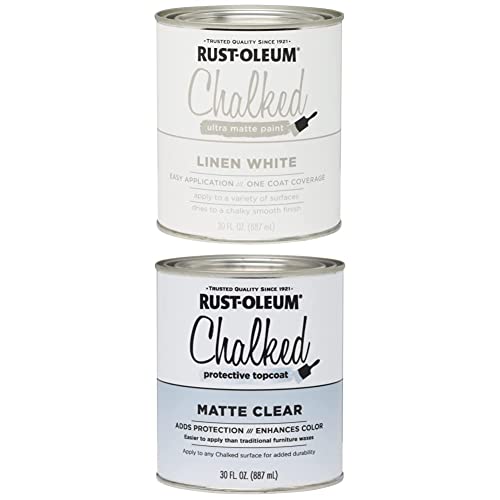
Yes, when looking to achieve a distressed finish, choosing the right products is essential. Chalk paint is popular for creating a matte, worn effect. It adheres well to surfaces without extensive prep work. For stains, a dark walnut or espresso stain can add depth and an aged appearance. Mixing paint with a bit of water can help create a wash effect, giving furniture a faded look. Always remember to apply a topcoat to protect the finish.
How long does it take to age furniture using these techniques?
The time it takes to age furniture will depend on the methods you choose and your experience level. If you’re simply applying a stain or paint, the process could take a few hours, including drying time. However, techniques like distressing may require more time, especially if you’re aiming for a specific level of wear. Overall, setting aside a day for the entire process, from preparation to finishing touches, will ensure you get the results you want.
Can I use vinegar and steel wool for aging furniture, and how does it work?
Yes, a mixture of vinegar and steel wool is a popular method for aging furniture. To use this technique, soak steel wool in white vinegar for several hours or overnight. The reaction between the vinegar and the steel wool creates a solution that can be applied to wood. When applied, it interacts with the tannins in the wood, resulting in a grayish, weathered look. Keep in mind that the final color may vary based on the type of wood used.
Is it possible to age furniture without using paint or stains?
Absolutely! If you prefer not to use paint or stains, you can achieve an aged look through physical distressing techniques. Lightly sanding the edges or corners can simulate wear. You can also use tools like a hammer or chain to create dents and dings. Additionally, exposing the furniture to sunlight can naturally lighten some areas, enhancing the aged effect. These methods can be combined with other techniques like applying a clear wax for a finished look.
What techniques can I use to make my furniture look aged?
There are several methods to achieve an aged look for your furniture. One commonly used technique is distressing, which involves gently sanding edges and surfaces to create a worn appearance. You can also apply a glaze or stain that enhances the wood grain while giving it a darker, more vintage color. Another option is to use paints in muted shades and then sand or chip away parts of the finish after it dries to simulate wear over time. Additionally, using wax or other sealants can help to give your furniture a patina that adds to the aged effect.
Can I achieve an aged look on laminate or synthetic furniture?
Yes, it is possible to create an aged look on laminate or synthetic furniture, although the techniques may differ slightly compared to natural wood. You can start by applying a paint or primer designed for non-porous surfaces. Once dried, you can use sandpaper to lightly distress the edges and surface to mimic wear. Afterward, finishing with a wax or a glaze can give the piece an antiqued appearance. You might also consider using decoupage techniques with vintage paper or fabric to enhance the aged effect. Keep in mind that while laminate may not absorb stains as wood does, adding texture and layering with paint can still yield a pleasing result.


