
 Caleb Turner
Begin with the selection of quality materials. I personally prefer hardwoods like oak, walnut, or cherry for their durability and aesthetic appeal. The grain patterns in these woods not only enhance the visual charm of the item but also ensure longevity.
Once the materials are chosen, measuring accurately is paramount. Precision in dimensions avoids frustrations during assembly and guarantees that every piece fits perfectly. I recommend using a caliper for small measurements and a measuring tape for larger sections, as accuracy is key to achieving professional results.
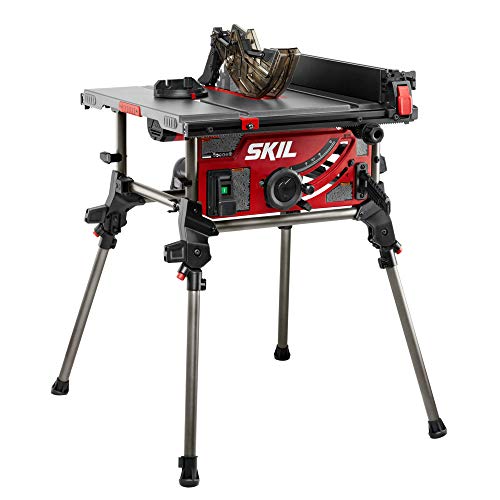
Invest in a set of reliable tools. A table saw, router, and chisels are fundamental for shaping and assembling. Ensure that tools are well-maintained for optimal performance. When I work, I always prioritize the setup of my workspace, organizing tools for easy access while maintaining a safe environment.
After cutting the pieces, I like to sand each component thoroughly. This step is crucial for achieving a smooth surface and prepares the wood for finishing. I use progressively finer grits, starting from coarse to ultra-fine, ensuring that no scratches are left behind.
Finishing is where creativity flourishes. I typically apply a wood stain to enrich the color, followed by a protective coat such as polyurethane or varnish. This not only protects against wear but also elevates the beauty of the wood grain.


Selecting the Right Wood for Your Project
Begin with your intended use; specific situations demand different species. For example, hardwoods like oak and maple provide outstanding strength and durability for high-traffic pieces. Softwoods such as pine or cedar are excellent for lightweight, rustic designs.
Assess grain patterns and color variations. Exotic woods, like mahogany and walnut, offer stunning visuals that can enhance aesthetic appeal. Consider contrasting types to develop depth in your creation.
Evaluate workability. Some woods are simpler to manipulate with standard tools, such as basswood, while others, like ebony, require specialized equipment due to their density.
Think about moisture levels and stability. Certain species are more susceptible to warping or cracking if exposed to humidity. For outdoor projects, utilize naturally rot-resistant woods like teak or redwood.
Check sustainability. Sourcing wood from responsibly managed forests contributes to environmental conservation. Certification from organizations like the Forest Stewardship Council (FSC) can assure ethical sourcing.
Finally, budget plays a role. Exotic species often carry a higher price tag than domestics. Balance your aesthetic desires with practical spending limits.
Tools You Need for Fine Furniture Making
Invest in a high-quality table saw for precise cuts. It provides accuracy and helps achieve clean edges, essential for joints and fittings.
A band saw comes in handy for curves and irregular shapes. This tool allows me to be creative while maintaining control over the material.
Having a router is invaluable for adding decorative edges or hollowing out areas of wood. It’s indispensable for tasks like creating grooves for joints.
Joinery tools, such as doweling jigs and pocket hole jigs, streamline the process of assembling pieces without compromising strength.
For smoothing surfaces, a random orbital sander works efficiently, providing a flawless finish while minimizing scratches on the wood.
Hand tools should not be overlooked. Chisels, planes, and mallets are crucial for finer details and adjustments that powered tools may miss.
A quality set of clamps is necessary for holding pieces in place during glue-ups. They ensure everything stays aligned while the adhesive sets.
Investing in safety gear, including goggles, gloves, and a dust mask, protects me from hazards associated with woodworking.
Lastly, a reliable measuring tape and square help me achieve precision in all dimensions, critical for maintaining uniformity throughout the creation process.
Understanding Joinery Techniques for Durability
Utilizing mortise and tenon joints enhances stability significantly. This technique features a protruding tenon fitting securely into a cavity or mortise, creating a robust connection that withstands stress and strain over time.
Dovetail joints are remarkable for their aesthetic appeal and strength, especially in drawer construction. The interlocking design prevents the joints from pulling apart, ensuring long-lasting durability.
Incorporating biscuit joints is an effective way to align pieces accurately. By embedding thin, oval-shaped biscuits into matching slots, I achieve seamless edges that enhance the overall structure’s resilience.
For larger assemblies, I prefer using a spline joint. This involves a thin strip of wood inserted into grooves, reinforcing the connection across the joint while maintaining the visual continuity of the surface.
Box joints offer an excellent alternative, especially for visible joints in drawers or boxes. Their simplicity and strength complement the aesthetic while providing a durable bond due to the interlocking fingers that resist lateral movement.
Lapped joints serve well in applications requiring broad surfaces. Overlapping edges create a strong bond, supported further by screws or dowels, enhancing durability against heavy use.
Investing time in selecting the right joinery method based on the project requirements is paramount. Each technique contributes to longevity, ensuring the crafted piece remains functional and visually appealing through years of use.
Choosing the Right Finish to Enhance Appearance
For achieving a polished look on your crafted pieces, the selection of an appropriate finish cannot be overstated. Consider using oil-based finishes for deep, rich hues that highlight the natural grain of the wood.
Types of Finishes
- Satin and Semi-gloss Varnish: Provides a durable surface while offering a pleasant sheen. Ideal for high-use items.
- Shellac: Quick-drying and easy to apply. Adds warmth, but not as water-resistant as other finishes.
- Polyurethane: Excellent for high durability. Available in various sheens, from matte to high-gloss.
- Lacquer: Fast-drying and often gives a high-gloss finish. Best applied with a spray for an even coat.
Application Tips
- Always prepare the surface by sanding thoroughly; this helps the finish adhere better.
- Conduct a test application on a scrap piece to ensure desired results.
- Use a quality brush or sprayer for a smooth application, and don’t overwork the finish to avoid bubbles.
- Allow sufficient drying time between coats, typically following the manufacturer’s recommendations.
Selecting the right finish not only enhances the aesthetic but also protects the wood for years to come. Focus on your vision for the piece and choose a finish accordingly, balancing durability and visual appeal.
Step-by-Step Guide to Crafting a Table
Begin with precise measurements for the desired table dimensions. I prefer a classic rectangular style, typically 60 inches long and 36 inches wide for dining tables.
Select wood according to your earlier choice, ensuring it is free from knots and defects. Cut the tabletop pieces to size using a table saw for clean edges.
Join the tabletop pieces using appropriate joinery techniques, such as edge gluing. Apply wood glue on the edges and clamp them securely for at least an hour, ensuring a level surface.
While the glue dries, prepare the legs. I tend to opt for sturdy, chunky legs made of the same wood. Cut four legs to a standard height, typically around 30 inches.
Attach the legs to the tabletop using corner brackets or mortise and tenon joints for added stability. I find that pre-drilling holes for screws prevents splitting.
Sand all surfaces thoroughly, starting with a coarse grit and finishing with a fine grit for a smooth finish. Pay attention to corners and edges to avoid sharp spots.
Once sanding is complete, clean the wood using a tack cloth to remove dust. Apply your chosen finish, like oil or lacquer, using a brush or spray for even coverage.
After the first coat dries, lightly sand again before applying additional coats for depth and protection. I usually recommend at least three coats for durability.
Allow the final coat to cure fully before using the table, ensuring it reaches its optimal hardness and look. Enjoy the result of your craftsmanship!
Upholstery Basics for Furniture Comfort
Choosing the right padding material boosts seating comfort significantly. I prefer high-density foam, as it provides excellent support while retaining its shape. For added softness, I layer the foam with a plush polyester fiberfill, which enhances the overall feel.
When selecting fabric, consider durability and maintenance. A woven textile withstands wear better than a simple print. I often opt for upholstery-grade materials like canvas or microsuede since they are both resilient and easy to clean.
Prior to attaching the fabric, ensure patterns align at seams for a polished look. I take precise measurements and cut the material with at least a 5-inch allowance for wrapping around edges securely.
For securing the fabric, I use a staple gun, which provides a solid grip. Pull the fabric taut without distorting it, starting from the center and working outwards to avoid wrinkles. A sharp pair of scissors is essential for trimming excess fabric neatly.
| Material Type | Features | Best For |
|---|---|---|
| High-Density Foam | Supportive, retains shape | Seat cushions |
| Polyester Fiberfill | Soft, adds comfort | Cushion tops |
| Canvas | Durable, easy to clean | High-traffic areas |
| Microsuede | Resilient, stain-resistant | General upholstery |
Lastly, consider adding a protective finish to the exterior of the upholstered pieces. It prolongs the life of the fabric, preventing stains and fading from sunlight. I apply a fabric protector spray after the project completion for added assurance.
Design Considerations for Custom Pieces
Prioritize functionality by assessing the specific needs of the space and the intended use of the item. For example, consider the dimensions, layout, and flow of the area where the piece will reside. Take measurements to ensure a harmonious fit with existing decor.
Visual appeal plays a significant role; think about the style direction. Whether modern, rustic, or minimalist, the design should reflect both the aesthetic preferences and the character of the environment.
Employ a balance between form and function. Elements such as leg shapes, back heights, and seating depths contribute to user comfort while maintaining an attractive silhouette. Ergonomics should guide decisions, ensuring that every piece is not only pleasing to the eye but also a pleasure to use.
Don’t overlook materials and textures. Combining different finishes can add depth and interest. For example, blending polished surfaces with natural wood grains enhances the overall presentation. Consider the tactile qualities, as they impact how users interact with the item.
Adaptability is key; allow for modifications in design that accommodate future changes in decor or usage. Include detachable components or modular elements that can be rearranged, promoting longevity and versatility.
Lastly, establish a clear budget. Effective design incorporates both aesthetics and materials within financial constraints. Explore options that achieve the desired outcome while being mindful of overall costs.
Maintaining and Repairing Exquisite Creations
For long-lasting beauty, a regimen of regular dusting is a must. Use a soft, lint-free cloth to prevent scratches. Avoid using water or general cleaners, as moisture can damage finishes. Instead, opt for a specialized product suitable for natural wood surfaces.
To address minor scratches, a simple solution is to apply a wax stick or crayon that matches the wood color, filling in the imperfections. For deeper gouges, I recommend using fine sandpaper followed by a touch-up stain, sealing with a protective clear coat afterward to ensure uniformity.
Wood is susceptible to changes in humidity, leading to warping or cracks. Using a dehumidifier or humidifier in your storage area maintains an even environment. For existing cracks, consider using wood glue and clamps to realign the fibers before applying a finish.
Handles and joints endure considerable stress. Tighten screws and bolts regularly to prevent looseness, and apply wood glue to any joints that appear compromised. A periodic application of a suitable oil or wax helps to rejuvenate the surface and protect against wear.
Always store items away from direct sunlight to prevent discoloration. Utilizing coasters and placemats not only protects surfaces but also enhances the overall lifespan of these cherished pieces.
Finding Inspiration and Resources for Your Designs
Exploring various sources of inspiration significantly enhances the creative process. Start by visiting local galleries and craft fairs. Observing the work of artisans allows me to appreciate different techniques and styles, sparking new ideas.
Gathering Ideas from Nature
Nature serves as a rich reservoir for design concepts. I often take walks, noting colors, shapes, and textures around me. This can influence everything from form to finish, adding an organic touch to my creations.
Online Platforms and Communities
- Pinterest: A treasure trove of visual ideas; I create boards to categorize styles and elements.
- Instagram: Following furniture makers and interior design accounts provides a daily dose of inspiration.
- Forums and Blogs: Engaging in discussions with peers offers insights into trends and personal experiences in furniture crafting.
Books and magazines focusing on woodworking not only showcase finished pieces but also outline historical techniques and innovations. Visiting libraries or specialized bookstores can yield valuable resources for learning and inspiration.
Collaborations and Workshops
Participating in workshops or collaborating with other artisans opens doors to new perspectives. I enjoy sharing ideas and techniques, which often leads to unique design inspirations.
- Attend community classes to meet like-minded individuals.
- Visit local woodworking shops for hands-on experience and expert advice.
These various resources provide a constant flow of ideas, helping me create distinctive and functional pieces that resonate with a personal vision.


