Caleb Turner
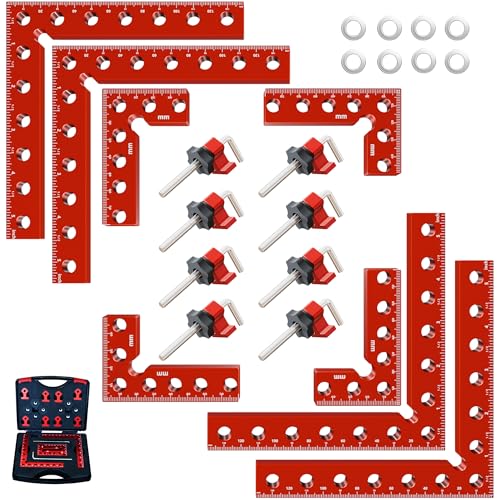
Begin with a clean workspace. Clear all surfaces and gather your tools–screwdriver, hammer, and any specific hardware included in the package. Ensuring a neat area helps you locate parts quickly without distraction.
Inspect all components in the box right away. Count screws, dowels, and panels against the instruction manual. This check prevents interruptions later, as missing parts can stall your progress.
Prioritize following the instruction manual closely. Each step is designed to ensure stability and support. Start with the base and work upwards, securing every piece firmly before moving on. Patience during assembly minimizes mistakes and enhances durability.


Whenever you encounter confusion, refer back to the illustrations. Visual guides clarify the orientation of panels and attachments, eliminating guesswork. If necessary, use a mobile device to access online tutorials for additional clarification.
Finally, take your time for each part of the process. Rushing can lead to misalignment or damaged components. Celebrate each completed section as your project evolves, transforming raw materials into a cohesive piece.
Gathering Necessary Tools for Assembly
I recommend collecting the following items before beginning your assembly process: a Phillips screwdriver, which is essential for driving screws into pre-drilled holes; a flathead screwdriver for any additional fittings; and a hammer or mallet for tapping pieces into place without damaging them.
Optional Tools for Enhanced Convenience
A power drill can speed up the process, particularly if you have multiple sections to assemble. A level helps ensure that everything is aligned correctly. Having a measuring tape on hand is useful for precise alignment and fitting adjustments. A utility knife should also be included for cutting any packaging or straps.
Safety Gear
Don’t overlook safety! Utilize safety glasses to protect your eyes from debris while working. If you’re working on a larger or heavier item, consider wearing gloves to enhance grip and prevent injury during assembly. A stable work surface is also recommended, providing a firm base for your items.
Understanding the Assembly Manual for Flat Pack Furniture
Begin with a thorough review of the manual before you proceed with assembly. This document is your roadmap, meticulously detailing each step. Pay close attention to diagrams; they transcend written instructions by providing visual context.
Each section of the guide corresponds to a specific stage in building your item. Start with the first few steps, ensuring you have all components laid out as indicated. Familiarize yourself with the parts list; this will help in verifying everything is present prior to beginning the process.
Focus on any specific notes or warnings included, as these highlight critical assembly nuances that could affect integrity. If a sequence appears complex, take a moment to digest it fully. Breaking down intricate instructions into smaller, manageable parts can streamline the assembly.
Consider crafting a checklist from the manual. Tick items off progressively as you complete them. This not only organizes the workflow but also reduces oversight during assembly.
In case of any confusion, refer to the support resources that may accompany the manual. Online forums or manufacturer customer service can provide further assistance and insights from others who may have faced similar challenges during their assembly experience.
Conclude with a careful review of your work against the manual to ensure everything aligns with the provided guidelines. This final step can prevent issues down the line and ensures your creation is robust and aesthetically pleasing.
Sorting and Organizing Parts Before Starting
Before assembling the components, I always take the time to categorize and arrange everything. I separate pieces by type: legs, panels, shelves, and hardware. This method allows me to access the necessary parts quickly during the assembly process, minimizing frustration.
Grouping Components
I create distinct piles for larger elements and smaller parts like screws and dowels. Using small containers or zip-lock bags for screws and other hardware keeps them organized and prevents loss. Labeling each bag helps in identifying parts instantly.
Verifying Included Parts
After organizing, I cross-reference each piece with the parts list included in the manual. Ensuring that all items are present before starting saves time and avoids interruptions during assembly. If any components are missing, I contact customer service immediately to resolve the issue.
Step-by-Step Assembly Techniques for Best Results
Focus on a clean workspace; this reduces the chance of losing small components. Begin with laying out all items clearly. Identify the larger sections and group smaller fittings together for easier access.
Follow the assembly instructions closely, turning to specific sections as necessary. Utilize a drill with a screwdriver bit for faster fastening, but ensure not to overtighten to prevent damage. Hand tools are effective for delicate parts where precision is key.
Consider using wood glue on dowels and joints. This will provide added strength and stability, especially for weight-bearing areas. Be sure to clamp pieces together until the adhesive sets for a secure bond.
As you assemble, constantly check for alignment. Adjust pieces gently and do not force components together, which can lead to misalignment and gaps. Regularly step back to observe your progress from different angles.
For larger items, enlist a helper to hold sections in place while fastening. This extra set of hands is invaluable for maintaining stability and ensuring parts are joined correctly.
After everything is secured, perform a thorough inspection. Tighten any loose bolts and check the overall structure for sturdiness. Finally, consider using felt pads on the base to protect flooring and allow for easier movement.
Common Mistakes to Avoid When Assembling
Ensuring that components fit together correctly is key. Many initial assembly attempts result in misalignment. Before locking any parts in place, I check each piece to make sure it matches the assembly manual’s specifications.
- Over-tightening screws is a frequent issue. I find that this can lead to damage or warping, affecting the overall structure.
- Ignoring pre-drilled holes can cause frustration. I always verify the alignment of these openings before starting the connection process.
- Skipping the sorting of parts can complicate the task. Having everything organized in advance saves time and effort during assembly.
- Neglecting to read the entire manual beforehand is a mistake I’ve made. Familiarity with steps aids in smoother assembly.
- Assuming all tools needed are provided might lead to setbacks. I keep a separate toolkit handy for additional tools that may be required.
Proper lighting is often overlooked. I make sure my workspace is well-lit to avoid errors caused by shadows or dimness.
- Double-checking that I have all parts before starting significantly decreases interruptions.
- Rushing through assembly can lead to missing critical steps. I take my time to ensure accuracy.
Asking for help can enhance the process. I find having another person assist with alignment and positioning eases challenges.
Tips for Securing Joints and Fasteners Properly
Ensure a tight connection between components by pre-drilling holes for screws. This minimizes the risk of splitting the material and facilitates a smoother assembly process.
Utilize the correct type of screws specified in the assembly manual. Using the wrong fasteners can lead to instability and damage over time.
- Apply a level of adhesive at the joints for added strength. Choose a wood glue or a construction adhesive that suits the materials being joined.
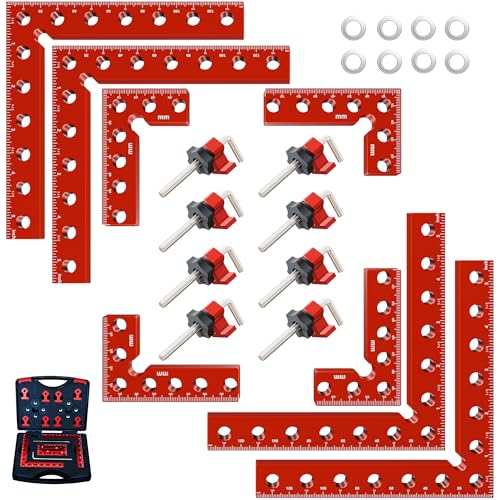
- Use clamps to hold parts together while the adhesive dries. This will provide a more secure bond and ensure proper alignment.
Periodically check that all connections are tight as you progress through the assembly. This allows for adjustments before the construction is entirely rigid.
Inspect each joint after completing assembly. If a connection feels loose, reinforce it with additional screws or specialized brackets offered in the kit.
- Align pieces correctly before fastening; misalignment can lead to stress on joints.
- Keep a torque wrench handy to ensure screws are tightened to the recommended specification without over-tightening.
After assembly, ensure all fasteners are visible and reachable for potential future adjustments or inspections. This simplicity facilitates maintenance and repairs down the road.
Adjusting and Leveling After Assembly
After positioning the assembled piece, I check its stability. A quick way to identify wobbling is to slide a piece of paper underneath each leg; if it passes through easily on one side, that side needs adjustment. I prefer using adjustable furniture feet or felt pads, as they allow for customizable height. This method ensures the structure stands firmly on an uneven surface.
Tools for Leveling
Having the right accessories simplifies the leveling process. Here’s what I use:
| Tool | Purpose |
|---|---|
| Level | To check horizontal alignment of surfaces. |
| Screwdriver | To tighten or adjust feet as needed. |
| Felt Pads | To cushion legs and aid in stabilization. |
Final Checks
Once adjustments are made, I conduct one more test by applying moderate pressure on various areas of the item. This helps confirm its stability. If I notice any creaking sounds, I take a moment to revisit the fastening points and ensure they are snug. This proactive approach prevents long-term issues and enhances overall functionality.
Maintaining Flat Pack Furniture for Longevity
Regularly inspect connections and tighten any loose screws or bolts to ensure stability. I find it crucial to check these fasteners every few months, especially in high-use items like chairs and tables.
To prevent scratches, I always place felt pads under legs of all pieces. This simple addition minimizes wear on floors and extends the base’s life.
Avoid exposing items to extreme heat or moisture. Keeping pieces away from direct sunlight or steam helps prevent warping or discoloration. I recommend maintaining a stable indoor climate.
Periodic cleaning with a soft, damp cloth keeps surfaces looking new. I steer clear of harsh chemicals that can damage the finish. For wood surfaces, applying a suitable furniture polish can enhance the appearance and provide protection.
If disassembly is needed for relocation, I carefully label all parts, ensuring I have everything ready for reassembly at the new location. This practice saves time and prevents the wear and tear of components.
Lastly, consider applying a wood conditioner regularly. It nourishes the material, especially on items made from natural woods, keeping them hydrated and extending their lifespan.