
 Caleb Turner

Applying a quality topcoat is crucial for achieving a polished finish on your upcycled treasures. I prefer using a water-based polycrylic sealer, which offers a clear, non-yellowing layer that accentuates the colors while providing protection. Remember to wait at least 24 hours after the last layer of your base layer for optimal results.
For a flawless application, use a high-density foam roller or a synthetic bristle brush. These tools minimize brush strokes and create a smooth surface. I find it beneficial to apply in thin, even coats, allowing each to dry completely before adding the next. This approach keeps the finish sleek and professional-looking, avoiding any unsightly texture.
Buffing the surface with a fine-grit sanding block between coats can make a significant difference. Lightly sand, then wipe clean with a damp cloth to remove any dust before proceeding with the next layer. This step promotes better adhesion and contributes to a refined, glossy appearance.
Once I have achieved the desired finish, I often conclude with a layer of wax for added depth. A clear wax can provide a soft sheen while further protecting the surface. Apply with a soft cloth, working it into the material, and then buff until the surface reflects light beautifully. This method not only enhances the look but ensures durability for everyday use.
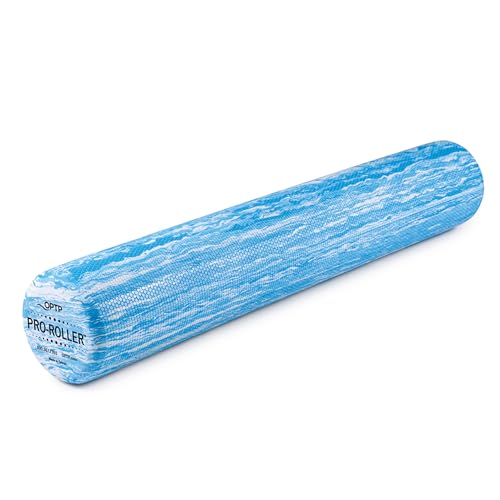
Achieving a Glossy Finish on Distressed Projects
For a sleek finish on your distressed items, applying a topcoat is essential. I recommend using a polyurethane or a clear acrylic sealer. Choose a water-based option for easy cleanup and low odor. Follow these steps:


- Ensure that your previous layer is completely dry before applying.
- Use a high-quality synthetic brush or foam applicator for a smooth application.
- Apply a thin layer of the sealer, working in even strokes.
- Allow adequate drying time, then lightly sand with fine-grit sandpaper before applying a second coat for added protection and gloss.
Enhancing Luster with Buffing
Once the topcoat has cured, buffing is another method to increase the shine. Here’s how I do it:
- Wait at least 72 hours after applying the topcoat.
- Use a soft microfiber cloth or a buffing pad.
- Gently buff the surface in circular motions to bring out the sheen.
Experiment with different products to find the perfect finish that meets your desired aesthetic!
Selecting the Right Chalk Paint for a Glossy Finish
I recommend opting for a high-quality product specifically formulated to achieve a reflective surface. Look for paints labeled as “self-sealing” or “one-step,” which simplify the process and offer durability.
When choosing your medium, consider the base; acrylic formulas generally provide better adhesion and finish than oil-based. The viscosity also matters; thinner mixtures tend to result in smoother finishes.
Be mindful of the color selection, as lighter shades often appear more glossy compared to darker tones. Always test a small area to confirm the desired results before applying to the entire piece.
It’s beneficial to examine product reviews to gauge previous user experiences. Products that mention a quick-drying feature can help during application phases, minimizing the risk of dust and particles settling on the wet surface.
| Feature | Recommended Type |
|---|---|
| Adhesion | Acrylic-based |
| Finish Quality | Self-sealing options |
| Drying Time | Quick-drying formulas |
| Color Options | Lighter shades |
In my experience, testing on a scrap piece will reveal how the medium adheres and dries, ensuring the final look meets expectations. Keep these factors in mind for an impactful outcome.
Preparing the Surface for Coating
To ensure a smooth and appealing finish, I always begin with thorough cleaning. Using a mild detergent mixed with water, I wipe down the entire area, removing dust, grease, and any other contaminants.
Sanding Technique
Once clean, I proceed with sanding the surface. Employing fine-grit sandpaper, specifically 220-grit, I lightly sand the area to create better adhesion for the coating. I pay close attention to any imperfections like chips or dents, ensuring they are adequately smoothed out.
After sanding, I wipe the surface with a damp cloth to eliminate any dust particles left behind. A tack cloth can be particularly useful for this step to guarantee a completely clean base.
Sealing Imperfections
If there are deeper scratches or gouges, I apply a wood filler to those particular spots. After it dries, I sand it down to achieve an even texture. This step prevents any unevenness in the final look.
Finally, before applying the coating, I allow everything to dry thoroughly. This preparation guarantees the best results, providing a solid foundation for the upcoming finish.
Applying Chalk Paint for a Smooth Base Layer
For a flawless underlayer, I ensure the surface is clean and free from dust. I start with a fine-grit sandpaper to lightly scuff the existing finish, creating a better grip for the coating. This step prevents any slipping and promotes adhesion.
I opt for a foam roller for larger flat areas. This tool provides an even distribution and minimizes brush strokes, leading to a smoother appearance. It’s essential to roll in one direction to avoid texture marks.
In corners and detailed areas, I use a high-quality brush. A brush with synthetic bristles works best, as it holds more product and distributes it evenly without leaving brush lines.
When applying the mixture, I keep an eye on the thickness. A thinner application tends to settle better and dries with fewer imperfections. If necessary, I apply multiple thin layers rather than one thick one, ensuring each layer dries thoroughly before adding the next.
Before I proceed to the final coating, I gently sand between layers with a very fine grit to achieve that silky smooth finish. This step is crucial for eliminating any raised fibers or imperfections from previous applications.
Techniques for Achieving a Glossy Finish with Chalk-Based Coatings
Using a polycrylic sealant is my go-to method for enhancing the luster of a surface. This clear topcoat provides a durable barrier while elevating the sheen. I apply it with a synthetic brush to avoid brush strokes, and I recommend a light sanding between coats for maximum smoothness.
Another technique I favor is buffing with a high-quality wax after curing the base layer. Using a soft cloth, I work the wax in small sections, which not only protects but also adds a subtle glow. It’s important to choose a clear wax to maintain the color integrity of the underlying layer.
For those looking for an even glossier appearance, a spray-on lacquer can be effective. I opt for a satin or semi-gloss finish, which provides a reflective quality without overpowering the underlying texture. Application is best done in thin layers to avoid drips and ensure an even finish.
Experimenting with mixed mediums can also yield unique results. By blending a high-gloss topcoat into the final layer, I achieve a custom sheen that enhances specific characteristics of the surface. This method requires careful mixing, typically a one-to-one ratio, to achieve the desired effect.
Incorporating these methods into my finishing routine consistently leads to beautiful, lustrous surfaces that stand out while maintaining durability. Each technique has its nuances, but the key is patience and attention to detail during application.
Choosing the Best Sealer for Enhanced Shine
The ideal sealer for obtaining a glossy finish should possess durability and an appealing sheen. I recommend using a water-based polyurethane, as it dries clear and allows the underlying color to shine through. This type of sealer provides a tough coat that resists scratches and spills while enhancing the vibrancy of the surface. Ensure it is non-yellowing to maintain the original hue.
Evaluating Options
I often choose between matte, satin, and gloss finishes. For a more reflective surface, opt for gloss. However, satin can provide a softer sheen while still appearing polished. Conduct a test on a small, hidden area before full application to confirm the desired result.
Application Tips
Apply the sealer using a high-quality synthetic brush or foam applicator to avoid streaks. Multiple thin layers yield the best outcome; allow each layer to dry completely before adding the next. Sand lightly between coats with fine-grit sandpaper to enhance adhesion and create an ultra-smooth finish. Maintain an even application to achieve consistent gloss throughout.
To care for the surface, clean gently with a damp cloth and mild soap, avoiding harsh chemicals that can dull the finish. Following these practices will ensure a lasting, glossy appearance that enhances the overall aesthetic of your piece.
Application Methods for Sealer on Chalk Paint
For optimal protection and gloss, I recommend using a sealer specifically designed for use with matte coatings. A high-quality polycrylic or water-based urethane tends to work best. Apply with a synthetic bristle brush or a foam roller for a smooth finish. Ensure I use fine-grit sandpaper between layers to achieve a polished surface.
Brush Application Technique
When brushing, I load the brush lightly and apply the sealer in thin, even coats, moving in the direction of the grain. This technique minimizes streaks and promotes an even sheen. After the first coat dries, I lightly sand with fine-grit paper before applying a second layer to enhance clarity and durability.
Spray Application Method
For a flawless finish, opting for a spray can ensure an ultra-smooth application. I keep the spray can about 10-12 inches from the surface, applying in a sweeping motion to avoid drips. Multiple thin coats yield superior results compared to one heavy application. Following the manufacturer’s instructions for drying times between coats is essential for the best adherence and finish.
Polishing Tips for a Reflective Surface
Begin with fine-grit sandpaper, ideally around 220 to 320 grit, to achieve a smooth surface. Lightly sand the dried layer to eliminate any imperfections. Ensure to clean the area thoroughly post-sanding to avoid dust particles from tarnishing the final shine.
Utilize a high-quality furniture wax or polish. Apply it in small circular motions using a soft cloth. Allow the wax to dry according to the manufacturer’s instructions, then buff the surface using a clean, dry cloth to enhance the glossiness. This step can be repeated for added depth.
Consider employing a microfiber cloth for buffing; it reduces the risk of scratches and effectively brings out the sheen. In addition, a polishing compound can be introduced after waxing for an extra layer of reflectiveness. Apply it sparingly and follow up with a soft cloth for even results.
Temperature plays a crucial role in achieving a polished outcome. Working in a warmer environment allows products to apply more uniformly and helps in quick drying, thus facilitating better results. Keep humidity levels moderate to prevent issues during the polishing process.
Finally, if the desired shine is not achieved, revisiting the sealing process with a high-gloss sealer may provide the reflective surface I aim for. Multiple thin coats yield a better finish compared to one thick layer, ensuring durability alongside aesthetics.
Maintaining Shine: Cleaning and Care Instructions
To preserve luster, regular cleaning is key. I recommend using a soft cloth dampened with a mixture of water and a gentle vinegar solution for routine maintenance.
- Mix one part vinegar with three parts water for a safe cleaning solution.
- Wipe surfaces gently to avoid scratches.
- Avoid harsh chemicals that could dull the finish.
For deeper cleaning, I suggest a non-abrasive soap with warm water. Use a microfiber cloth to ensure no debris is left behind.
When it comes to preventing wear, placing coasters and placemats under items can help. This minimizes direct contact and potential damage from spills.
- Schedule a polishing session every few months using a suitable polish.
- Apply with a clean, soft cloth to enhance the reflective quality.
- Buff in circular motions for an even finish.
Keep in mind exposure to sunlight can cause fading over time. Position items to limit direct rays, helping maintain vibrancy.
Lastly, inspect surfaces for scratches or dullness regularly. Addressing minor imperfections promptly can prolong the beauty and sheen of the finishes.
Common Mistakes to Avoid When Making Chalk Paint Reflective
Avoid using low-quality furniture coatings that can dull the finish. Select products specifically designed for gloss enhancement.
Neglecting surface preparation often leads to uneven results. Ensure all surfaces are properly cleaned and sanded before applying any top layers.
Skipping Primer
Using primer can significantly enhance the final look. Failing to prime can result in inconsistent texture and a lackluster appearance.
Incorrect Application Techniques
Applying too thick a layer of the sealant can cause drips and an uneven gloss. Instead, apply multiple thin coats, allowing each to dry before adding the next.


