Caleb Turner
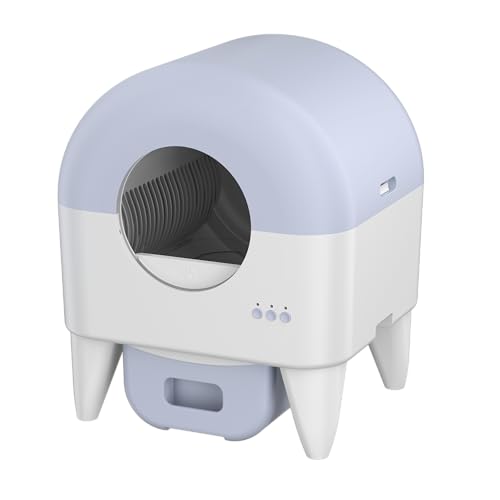
Creating an aesthetic solution for your feline’s hygiene needs is straightforward with a well-planned design. Select a sturdy cabinet or console that fits your interior style while providing ample room for the supplies inside. Choose materials that are easy to clean and resistant to odors, such as treated wood or laminate.
Position the entrance discreetly to maintain visual appeal, ensuring your pet feels comfortable entering and exiting. Incorporate a pull-out drawer for easy access to refill supplies, allowing for hassle-free maintenance and reducing the likelihood of mess. Don’t forget to include a removable tray to catch any stray litter, simplifying clean-up and prolonging the life of your chosen piece.
Adding a stylish top can enhance the versatility of this item–think of utilizing it as a side table or display area for decorative items. This multi-functional approach allows for a seamless blend of practicality and aesthetics in your living area. Always remember to include ventilation for odor control, ensuring a pleasant environment for both you and your furry companion.
Choosing the Right Materials for Your Cat Litter Box Furniture
Opt for materials that are easy to clean and resistant to stains, such as high-quality plywood or medium-density fiberboard (MDF). These options provide durability without compromising aesthetics.
Select moisture-resistant finishes to prevent warping and damage from spills. A waterproof sealant or paint can safeguard surfaces from moisture exposure.


Consider integrating removable trays made from plastic or metal for straightforward maintenance. This will facilitate cleaning and ensure hygiene without dismantling the whole structure.
Incorporate natural wood for a warm, inviting look, but treat it properly to protect against odors and moisture. Cedar or pine can serve well due to their natural resistance to unpleasant smells.
Evaluate the weight and sturdiness of materials, ensuring the structure can withstand any playful antics. Reinforced corners or a solid base support added stability.
Finally, choose eco-friendly options when available. Sustainable materials not only contribute to a healthier environment but can also enhance the overall appearance and performance of the piece.
Measuring Your Space: Dimensions for a Perfect Fit
Take precise measurements of the designated area for the setup. Aim for a width of at least 30 inches and a height of around 20 inches to comfortably accommodate a standard enclosure. Depth should be no less than 24 inches to allow a spacious design that ensures functionality.
Assessing Height and Accessibility
Consider the height of the furniture. A minimum elevation of 25 inches is recommended if the entrance is at the bottom. This allows easy access for your pet while maintaining a sleek appearance. If using a lid, adjust the height to ensure effortless opening, ideally around 5 inches above the enclosure.
Analyzing Surrounding Space
Measure the surrounding space to ensure proper placement. Allow at least 2-3 feet of clearance in front for easy access and cleaning. Make sure there’s sufficient room not only for the structure but also for your pet’s comfort and movement.
Regularly check the measurements to account for any changes in your living area. Accurate dimensions guarantee an attractive and harmonious fit in your home.
Designing the Furniture: Style and Functionality
Prioritize a harmonious aesthetic by choosing a design that complements your existing decor. I often opt for a minimalistic approach, using clean lines and neutral colors, which seamlessly integrates into various interior styles. Incorporating decorative elements such as molding or soft-close doors can elevate the overall look.
Functionality remains paramount. Ensuring easy access for cleaning and maintenance is crucial; I prefer a hinged top or a side panel with a magnetic catch for effortless entry. Incorporating a discreet opening allows my feline friend to enter without disruption while keeping the space tidy.
Ventilation plays a significant role in odor control; small openings or a perforated back panel promote airflow while maintaining a polished appearance. I also consider including a removable tray for straightforward waste disposal, which enhances usability without compromising style.
Finally, incorporating natural light with a glass panel or a decorative screen can create an inviting atmosphere. Choosing the right furniture dimensions based on the area enhances both usability and aesthetics. Thoughtfully combining these aspects leads to a cohesive and functional design.
Building the Frame: Step-by-Step Instructions
For a sturdy and attractive structure, I focused on a few key steps. First, I created a detailed plan, which allowed me to visualize the final piece. I decided on dimensions that would accommodate my pet’s needs while fitting seamlessly into my space.
-
Gather Materials:
- Wood boards (choose plywood or hardwood for durability)
- Wood screws
- Wood glue
- Pegs or brackets for stability
- Sandpaper (medium and fine grit)
- Wood finish or paint (optional)
-
Cutting the Wood:
Using a saw, I cut the wood boards according to my design. For the base, I measured a rectangle large enough to fit the collection area comfortably. The side panels should be high enough to contain any mess.
-
Assembling the Base:
I began with the base piece, securing the side panels using screws and glue. I drilled pilot holes to prevent the wood from splitting. Ensuring everything was square, I added additional screws for reinforcement.
Hot Pick Heavy Duty 700LBS Push Cart DollyPerfect for heavy loads and easy transportConstructed from durable steel, this foldable push cart dolly boasts a load capacity of 700 lbs, making it perfect for moving heavy items effortlessly. Its portable design with removable panels enhances versatility and storage convenience.
-
Adding the Top:
I placed a top panel on the frame, ensuring it is removable for cleaning. I used hinges for easy access, which make routine maintenance simpler. I secured the hinges to one side of the top panel and the corresponding edge of the main frame.
-
Sanding and Finishing:
After assembly, I sanded all surfaces thoroughly to avoid splinters. For aesthetics and protection, I applied a wood finish or paint, allowing sufficient drying time between coats.
-
Final Assembly Check:
Once everything was dry, I checked joints and screws for tightness. Ensuring stability was crucial to prevent wobbling.
This systematic approach led to a functional piece that is both stylish and practical. Adjustments can be made along the way, depending on personal preferences and available materials.
Creating Access Points for Easy Litter Access
For seamless entry, incorporate a side door or a top access point. A hinged flap or removable panel simplifies maintenance. For side access, measure the height of your pet to ensure they can comfortably hop in and out. Ideally, the entry should sit about 6-8 inches from the floor.
For sliding doors, use lightweight materials such as acrylic or plywood, enabling easy movement while maintaining stability. Ensure tracks are clean and free from obstructions to prevent jams.
Consider implementing a double-door system with an inner divider. This allows for discrete access while maintaining cleanliness. When designing, space between the doors must allow easy entry but prevent accidental closure.
Utilizing a small ramp can also benefit senior or less agile pets, enhancing accessibility without compromising design. The incline should not exceed 20 degrees.
Below is a summary of various access options along with their pros and cons:
| Access Type | Advantages | Disadvantages |
|---|---|---|
| Side Door | Easy for cleaning; ample entry space | Requires additional side space |
| Top Access | Saves floor space; provides excellent ventilation | Can be awkward for pets with mobility issues |
| Sliding Door | Modern look; customizable sizes | May jam if not well maintained |
| Double Door | Reduces odor; allows discrete access | More complex to build; requires precision |
| Ramp Access | Helps older pets | Increases footprint; needs space adjustments |
Experiment with different designs to find what works best for your needs, ensuring accessibility and convenience remain top priorities.
Surface Finishes: Making it Cat-Friendly and Easy to Clean
Using appropriate surface treatments can significantly enhance comfort and cleanliness. My recommendations include:
- Non-toxic Paints: Opt for low-VOC or water-based paints. This ensures safety for pets while allowing easy maintenance.
- Sealable Wood Stains: Waterproof stains seal the wood, preventing moisture absorption. Choose stains that are free from harmful chemicals.
- Laminate Surface: Easy to wipe down and resistant to scratches. It comes in various designs to complement aesthetic preferences.
Consider adding a non-slip coating to the top surfaces where the pets might jump or play. This will help prevent accidents and falls.
Regular maintenance is key:
- Wipe down surfaces weekly with a gentle, pet-safe cleaner.
- Inspect for wear and refresh finishes as needed.
- Use mats underneath to catch any debris or accidents, making cleanup easier.
Lastly, incorporating edges and contours that resist dirt accumulation will streamline the cleaning process. Smooth, rounded corners reduce the chances of trapped debris.
Incorporating Storage: Where to Keep Supplies
Consider installing shelving units or cabinets near the designated area. This allows easy access to all necessary items like bags of substrate, scoops, and cleaning supplies without cluttering the main living space. Transparent bins can be a great option for visibility while maintaining a tidy appearance. Label each bin for quick identification of contents.
Utilizing Bench Space
A bench-style design can serve dual purposes–seating and storage. Create compartments underneath for holding essentials. Ensure these areas are easily reachable by positioning them at waist height. Using a combination of closed storage with drawers and open compartments will keep things organized and accessible.
Hiding Supplies
<p.Additionally, think about incorporating a hidden storage compartment within the structure itself. This could be a space designed to blend seamlessly with the overall aesthetic. A flip-down panel or sliding door mechanism provides both functionality and discretion, making supplies less visible and maintaining a clean look in your room.
Customizing the Look: Paint and Decor Ideas
I recommend selecting a paint that complements your home’s existing color palette. For a sleek and modern appearance, consider matte finishes in neutral tones like gray or beige. If a more playful vibe is desired, vibrant colors can create a focal point. Use non-toxic, pet-safe paint to ensure safety for your furry friend.
Stencils provide an easy way to add unique patterns or designs to the surfaces. Floral designs or geometric shapes can enhance the furniture subtly while adding character. A simple approach is using painter’s tape to create clean lines or shapes for a DIY touch.
Textures can elevate the overall aesthetic. Experiment with decoupage by applying decorative paper to surfaces, which adds depth. Remember to seal the paper with a clear varnish for durability and ease of cleaning.
Accessorizing with small decor items can also spruce things up. I suggest using indoor plants, decorative trays, or stylish storage baskets to hide litter supplies while maintaining an organized look. Ensure that plants are non-toxic to pets if you choose to incorporate them.
Lastly, add hardware like unique handles or knobs for cabinets or access points. This small detail can tie the piece together and enhance the aesthetic, reflecting personal style while remaining functional.
FAQ:
What materials do I need to build cat litter box furniture?
To create cat litter box furniture, you will typically need materials such as plywood or particle board, hinges, screws, sandpaper, wood glue, and paint or stain for finishing. You might also want to include foam padding or fabric if you plan to incorporate seating. Don’t forget cat-friendly features like an entrance for your pet and a removable tray for easy cleaning.
How can I make the litter box cabinet look attractive?
To enhance the appearance of your litter box cabinet, consider painting it to match your room decor. You can also add decorative elements like molding or trims. Including a door front that mimics your furniture style can help it blend seamlessly into your living space. Finally, adding soft cushions on top can turn it into a functional piece of seating.
Is it difficult to convert a regular piece of furniture into a litter box?
Transforming standard furniture into a litter box is relatively straightforward, but it does require some basic DIY skills. You’ll need to cut an opening for the cat to enter and ensure proper ventilation. It’s also essential to create a removable bottom tray for easy cleaning. If you have some woodworking tools and a bit of patience, this project can be quite manageable.
What should I consider regarding odor control in cat litter box furniture?
Odor control is crucial when making cat litter box furniture. Start by using a high-quality clumping litter that helps minimize smells. Adding a layer of baking soda at the bottom of the box can also absorb odors. Make sure the furniture has good ventilation to allow airflow, and consider installing a carbon filter in the lid or doors. Regular cleaning of the litter box and furniture is key to maintaining a fresh environment.
Can I use an enclosure for multiple cats and how should I modify it?
Yes, you can create a litter box furniture piece that accommodates multiple cats. For this, consider making additional openings for each cat and possibly separating the litter boxes within the enclosure to give each cat its own space. Ensure that the overall size of the furniture is adequate for multiple litter trays, and maintain easy access for cleaning. Regular monitoring will help you recognize if your cats are using the box appropriately and if it needs to be expanded or modified further.