Caleb Turner

Choosing light-colored pieces is an immediate approach to create an illusion of spaciousness. Shades like soft whites, pale blues, or light grays effortlessly reflect natural light, developing a brighter atmosphere. I recommend incorporating such hues for not just walls but also on textiles and accents.
Opt for multi-functional units that serve several purposes. A bed with built-in storage eliminates the need for additional dressers or cabinets, streamlining the environment. Additionally, consider using wall-mounted shelves instead of bulky bookcases; this will free up floor space while providing necessary storage.
Positioning mirrors strategically is another effective technique. Placing them opposite windows amplifies light and creates depth, enabling the area to feel more expansive. I often find that large, framed mirrors serve as both a decorative and functional element, enhancing the overall aesthetic.


Selecting appropriately scaled items is crucial. Oversized sofas or massive armchairs can dominate the space, hindering movement. Instead, I suggest compact alternatives that maintain comfort without overpowering the room, ensuring ease of navigation while preserving a sense of openness.
Clear pathways are essential for a seamless flow. Keeping furniture arranged in a way that promotes easy movement prevents the area from feeling cramped. I often remind myself to maintain a visual connection between areas, which can contribute significantly to a more airy environment.
Choosing the Right Size Furniture
Opt for pieces that enhance spaciousness. Focus on selecting compact items that fulfill functionality without overwhelming the area. Aim for a balance between style and practicality.
Key Factors to Consider
- Scale: Choose dimensions that correspond with the room. Measure available space and narrow selections to those with smaller footprints.
- Proportions: Maintain harmony among all pieces. For example, a large bed paired with tiny nightstands disrupts visual balance.
- Multi-functional: Invest in versatile items, such as a bed with built-in storage or expandable tables. These provide utility while minimizing clutter.
Visual Techniques
- Legs and Transparency: Select designs that feature legs or clear materials. This creates an illusion of lightness and airiness.
- Wall-Mounted Options: Install shelves or nightstands that attach to the wall. This frees up floor space and draws the eye upwards, increasing perceived height.
- Color and Texture: Lighter hues often yield a sense of openness. Incorporate soft fabrics and reflective surfaces to amplify light and create depth.
Carefully curating furniture choices around these principles results in a more inviting and spacious atmosphere while enhancing comfort and style.
Using Multifunctional Furniture Pieces
Opt for items such as a bed with integrated storage or a desk that can easily transform into a nightstand. This approach minimizes excess while providing necessary utility.
Convertible Solutions
Consider a sofa bed for seating that transitions into a sleeping area. Similarly, a folding table can serve as a workspace during the day and compactly store away at night, maximizing usable area.
Storage at Every Turn
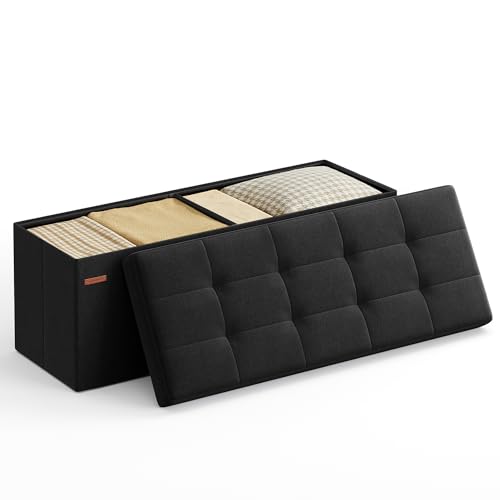
Look for benches or ottomans equipped with hidden compartments. These not only offer seating but also keep belongings organized, effectively reducing visual clutter.
Selecting Light-Color Furniture
Opt for light shades such as white, beige, or pastel tones to create an airy atmosphere. These colors reflect natural light, which adds depth and perception of more space. Additionally, selecting furniture pieces in these hues minimizes visual clutter, making the area feel more open.
Examples of Light-Toned Materials
Consider materials like light wood, white lacquered finishes, or soft fabric upholstery. For instance, a light oak bed frame or a cream-colored dresser can enhance brightness while maintaining a sleek aesthetic. Avoid dark-stained woods or heavy textiles that absorb light and create a heavier feel.
Incorporating Accessories
Complement light-color pieces with soft accent pillows or throws in similar tones. This strategy adds texture without overwhelming the space. A monochromatic color scheme in lighter shades can amplify the illusion of spaciousness while keeping the design cohesive and inviting.
Arranging Furniture for Open Space
Positioning items in a manner that encourages fluid movement significantly enhances spatial perception. Begin by placing larger pieces against the walls, creating pathways that allow easy navigation. Avoid cramming items into corners; instead, maintain open areas that delineate functional zones.
Opt for Angled Placement
Consider angling certain elements, like a bed or dresser, to introduce a dynamic feel. This approach not only draws the eye but also disrupts the linear nature of typical arrangements, providing a sense of depth.
Maintain Consistent Height
Select pieces that share a common height level. Uniformity in vertical space creates visual harmony. Mixing tall and short elements can fragment the area, while a cohesive sightline fosters openness.
Utilize mirrors strategically to enhance brightness and create an illusion of expanded space. Position these items opposite windows or light sources to reflect and amplify natural illumination.
Incorporate tall bookcases or shelving that rise toward the ceiling. Such designs draw the eye upwards, diverting attention from the floor area and making the environment feel less confined.
Prioritize pathways of at least 24 inches between pieces, ensuring ease of movement and preventing a feeling of congestion. A thoughtfully arranged area feels inviting, encouraging engagement with every corner.
Incorporating Mirrors into the Design
Placing mirrors strategically can enhance the perception of space. Opt for a large wall mirror to reflect light and create an illusion of depth. Position it opposite a window to amplify natural light flow. If wall space is limited, consider mirror panels or decorative mirrors that can be mounted on furniture or used as artwork.
Types of Mirrors to Consider
Different mirror styles can suit varying aesthetics:
| Style | Best Use |
|---|---|
| Full-length mirrors | Enhances vertical space and functionality for dressing |
| Round mirrors | Soften angular furniture and add a contemporary feel |
| Framed mirrors | Add character and style to bare walls, matching decor |
| Mirror tiles | Create a unique focal point, especially on accents walls |
Placement Tips
Effective placement enhances aesthetics and functionality:
- Hang mirrors at eye level to maximize reflection.
- Pair mirrors with light sources like lamps or sconces for added brightness.
- Consider mirrored furniture, such as nightstands or dressers, to increase light reflection while providing storage.
A well-placed mirror not only adds elegance but can also transform the ambiance and spatial dynamics of a compact area, resulting in a more open and airy feel.
Minimizing Clutter with Storage Solutions
Utilize vertical space effectively by installing shelves that reach the ceiling, allowing for decorative items and storage without taking up floor area. Consider wall-mounted solutions that free up surfaces.
Invest in furniture with hidden compartments. Beds with drawers underneath and ottomans that open for storage can conceal belongings while avoiding overcrowding.
Opt for multi-tiered organizers in closets, maximizing vertical storage for shoes, clothing, and accessories. Use matching baskets or bins for cohesive organization, which also promotes a clean aesthetic.
Incorporate built-in furniture where possible, as custom designs can optimize corners and awkward spaces. This approach not only hides items away but also adds value to the room.
Label storage containers, enhancing identification and reducing the time spent searching for items. A clear system reduces the likelihood of disorder returning.
Avoid over-decorating surfaces. Choose a few key pieces that express personal style and maintain an uncluttered look. Set limits on items displayed to ensure the space remains serene.
Regularly reassess belongings, practicing a minimalist mindset. Donate or discard items that are no longer needed, thus maintaining an organized space without unnecessary clutter.
Opting for Sleek and Low-Profile Designs
Choosing streamlined and low-profile pieces can significantly enhance the perception of space. These designs create a more open atmosphere, drawing the eye upward and minimizing visual clutter.
Key Features to Consider
- Flat surfaces and straight lines contribute to a minimalist appearance.
- Low seating height in sofas or chairs keeps sightlines clear and improves flow.
- Built-in furniture or wall-mounted units prevent the need for bulky stands and legs, enhancing floor visibility.
Examples of Ideal Choices
- A platform bed with a simple headboard promotes an airy feel.
- A slender nightstand allows space for essential items without overwhelming the area.
- Use a long, narrow dresser instead of a bulky wardrobe to maximize floor space while providing storage.
Opt for furnishings that are visually lightweight, such as those made from glass or light wood, to maintain a sense of openness. Choosing sleek designs will not only offer practicality but also foster an inviting ambiance.
Choosing the Right Bedframe and Mattress Height
Select a bedframe that sits low to the ground. This creates a sense of openness and reduces visual bulk. A platform frame or a model with slender legs can help establish a sleek profile.
Opt for a mattress that complements the chosen frame’s height. A thinner mattress works well with lower bedframes and accentuates vertical space. Conversely, if you prefer a higher bed, use a thicker mattress to maintain a harmonious proportion.
Consider adjustable bed bases as they allow for personalized elevation. This flexibility enables one to find the best height for aesthetics and comfort, ensuring a cozy atmosphere without overwhelming the area.
Maintain a uniform height throughout the room to prevent visual disparity. If the bed is the tallest piece, ensure other furniture, like dressers or nightstands, aligns in height, preserving balance and cohesiveness.
Incorporate under-bed storage options. This enhances functionality while minimizing the appearance of clutter, giving the illusion of spaciousness. Calming colors for bedding can also contribute to an airy feel, reinforcing the overall design intent.
Creating Vertical Space with Tall Furniture
Incorporating tall pieces into the space instantly draws the eyes upward, creating the illusion of greater height. Opt for bookcases, cabinets, or wardrobes that reach towards the ceiling. This not only utilizes otherwise wasted vertical space but also frees up floor area.
When selecting these items, prioritize designs that are open and airy. For instance, a bookshelf with staggered shelves can display books and decorative items without feeling heavy or overwhelming. Consider using transparent materials like glass for cabinet doors to maintain a light atmosphere.
Utilizing tall nightstands or dressers keeps essential items close at hand while maintaining a streamlined look. Choosing a bedframe that complements these pieces can unify the design. Keep accessories minimal on taller surfaces to avoid clutter, allowing the height to stand out.
| Furniture Type | Recommended Benefit |
|---|---|
| Tall Bookcases | Maximize storage while enhancing visual height. |
| Vertical Cabinets | Organize items out of the way, keeping floor space clear. |
| High Nightstands | Convenience for essential items, visually lifts the space. |
Strategically placing artwork or shelves above furniture can also enhance verticality. Hanging items high encourages upward motion of the eye, reinforcing the spacious feel. Consider integrating lighting fixtures that suspend from the ceiling, contributing to the vertical design while illuminating the space effectively.