
 Caleb Turner
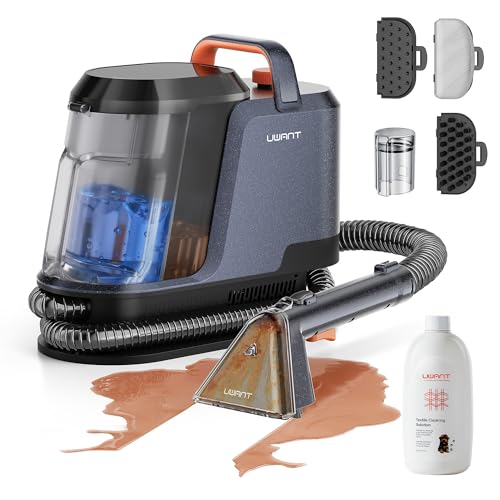
Regular vacuuming is your first line of defense. I recommend using a soft brush attachment to gently lift dust and debris from the fabric without causing damage. Aim for this task at least once a week, focusing on seams and crevices where dirt tends to accumulate.
Stains can happen, and quick action is crucial. Blot the affected area immediately with a clean, dry cloth to absorb moisture. For stubborn spots, a mixture of mild soap and water can be effective. Always test this solution on a hidden area first to ensure compatibility with the material.
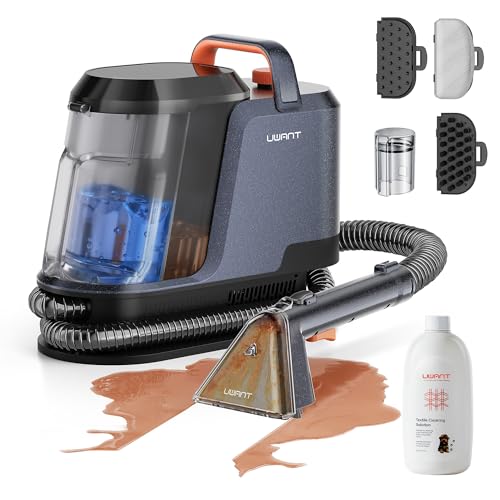


Consider applying a fabric protector, which will help repel spills and stains. I suggest doing this every six months; however, it’s important to follow the manufacturer’s instructions for the best results. Additionally, rotate cushions regularly to promote even wear.
Lastly, positioning away from direct sunlight will prevent fading and deterioration over time. Utilizing curtains or blinds can significantly extend the lifespan of your soft seating arrangements. These simple steps will help keep your cherished pieces looking fresh for years to come.
Care Techniques for Soft-Seated Items
Regular vacuuming is a must. I use a soft brush attachment to remove dust and debris, ensuring I reach crevices where dirt can accumulate.
Spills require immediate attention. I use a clean, dry cloth to blot the area gently without rubbing. For stubborn stains, a mixture of mild soap and water works well–just dab it on and blot dry.
To preserve the fabric, I avoid direct sunlight. Using curtains or shades helps minimize fading. I also rotate cushions occasionally to prevent uneven wear.
Deep cleaning is advisable at least once a year. I usually hire a professional who specializes in this type of item to ensure that the cleaning solution matches the fabric type.
To maintain the shape, I fluff the cushions regularly. This keeps them from flattening out and looking worn. I also ensure that the structure is sound; if I notice any loose legs or supports, I tighten them immediately.
Using a fabric protector can help shield against future stains. I apply it according to the manufacturer’s instructions, making sure to test a small area first.
I pay attention to odors, too; baking soda is great for absorbing them. I sprinkle some on the surface, let it sit for a few hours, and vacuum it off for a fresher scent.
Choosing the Right Cleaning Products for Different Fabrics
For synthetic materials like polyester and nylon, opt for a mild liquid detergent mixed with water. Test the solution on a hidden spot to ensure colorfastness before applying it to the whole area. Avoid bleach, as it can damage synthetic fibers.
Natural fabrics such as cotton or linen respond well to a mixture of vinegar and water. This solution gently lifts stains while minimizing potential damage. Always rinse with clean water to remove any residue.
For delicate textiles like silk or velvet, stick to a professional upholstery cleaner specifically designed for such materials. Spot cleaning with a soft, damp cloth is advisable; harsh chemicals can lead to fading or weakening of fibers.
Check for care labels when selecting a cleaner. Products labeled “water-safe” are typically suitable for most fabrics, but those designated as “dry clean only” require special attention. Using home remedies on these fabrics could lead to irreversible damage.
In high-traffic areas, consider fabric protectors that repel stains. Apply according to the manufacturer’s instructions to avoid altering the fabric’s texture or appearance. Reapplication is often necessary after deep cleaning.
Regular Vacuuming Techniques to Preserve Fabric Quality
Establish a routine for vacuuming to remove dust, dirt, and debris that can deteriorate the fibers of your seating. Use a vacuum cleaner with an attachment designed for soft surfaces; this helps prevent snagging while effectively capturing particles.
Technique Selection
Utilize a brush nozzle to gently agitate the fabric surface, allowing for deeper penetration into the fibers. Make sure to adjust the suction power to avoid damaging delicate materials. Always vacuum in the direction of the fabric weave to maintain its appearance.
Frequency Recommendations
Vacuum at least once a week, or more often in high-traffic areas. For optimal upkeep, consider vacuuming more frequently if you have pets or allergies. Pay special attention to seams and crevices where dirt often accumulates.
Spot Cleaning Methods for Stains and Spills
For immediate action on fresh spills, blot the area gently with a clean, dry cloth. Avoid rubbing, as this can spread the stain.
Use cold water for water-based stains. Dampen a cloth with cold water and continue blotting until the stain lifts. For stubborn spots, a mild dish soap mixed with water can be effective. Apply the solution sparingly and blot afterward with a plain cloth rinsed in water.
- Grease or Oil: Sprinkle baking soda or cornstarch on the stain, letting it sit for 15 minutes to absorb the oil. Then, vacuum the area and follow up with a gentle soap solution.
- Wine or Juice: Blot excess liquid, then combine white vinegar with water (1:1 ratio) to treat the area. Blot and rinse.
- Ink: Dab a cotton ball in rubbing alcohol and carefully apply it to the ink mark. Always test on a hidden area first.
After spot cleaning, rinse the treated area with a damp cloth to remove any cleaning solution residue. Follow this with a dry cloth to absorb excess moisture. Allow the fabric to air dry completely, away from direct sunlight.
For persistent stains, consult professional cleaning services. Regular care will extend the life of your seating and enhance its appearance.
Tips for Preventing Fading from Sunlight Exposure
Use window treatments like curtains or blinds to block direct sunlight. Opt for UV-filtering fabrics that reduce harmful rays while still allowing some light in.
Position pieces away from windows wherever possible, creating physical barriers between the sun and your soft seating. If relocation isn’t feasible, consider using furniture covers during peak sunlight hours as a protective measure.
Apply fabric protectants that offer UV resistance. Regularly retreat with these products to ensure ongoing protection.
Rotate cushions and pillows to promote even exposure. This practice minimizes the risk of any single area suffering excessive fading.
Choose lighter colors and patterns when selecting new items, as they tend to show less fading over time compared to darker shades.
Implement routine cleaning to remove dust and debris that can contribute to discoloration. Use a gentle vacuum attachment to effectively clean the fabric without risking damage.
Consider outdoor equivalents when placing items in sunlit areas. Materials designed for outdoor use often resist fading better than indoor options.
Regularly check for signs of fading and take immediate action if any is noticed, reinforcing the importance of addressing issues early to preserve appearance.
Guidelines for Fluffing and Restructuring Cushions
Fluff cushions weekly to keep them looking fresh. Grasp the edges and shake gently to redistribute the filling evenly.
Take care to rotate cushions from different seating areas to promote uniform wear. This practice also helps to avoid permanent indentations.
For deeper restructuring, unzip cushion covers if possible. Remove the filling and inspect it for clumps or compression. Break apart any compressed areas gently with your hands.
Consider adding or replacing filling materials like polyester fiberfill or foam to enhance resilience and comfort. Choose materials that match the original ones for consistency.
After fluffing, ensure that covers are returned to their correct positions. Smooth out any wrinkles for a neat appearance.
| Action | Frequency | Tips |
|---|---|---|
| Fluffing | Weekly | Shake and grasp edges for even distribution. |
| Rotation | Monthly | Switch cushions among different spots to minimize wear. |
| Inspection | Every 3 months | Check for clumping; break apart compressed fibers. |
| Filling Replacement | As needed | Use similar materials to maintain consistency. |
| Cover Care | After Fluffing | Smooth any wrinkles for a tidy look. |
When to Seek Professional Cleaning Services
Consider calling in experts if your fabric has persistent stains that resist home remedies. Specialized techniques, such as steam cleaning or dry cleaning, can effectively tackle tough marks without damaging the material.
Signs of Heavy Soiling
If your seating is noticeably discolored or has accumulated dirt and grime over time, it’s time to consult a cleaning service. Regular vacuuming can help, but deep cleaning at intervals will rejuvenate the appearance and extend lifespan.
Odors and Allergens
Unpleasant smells that linger despite regular care may indicate trapped odors. If allergens such as dust mites or pet dander are affecting your indoor air quality, professional treatments can eradicate these contaminants, promoting a healthier environment.
For delicate or specialized fabrics, hiring a service knowledgeable in specific care methods can preserve the integrity of your pieces. They utilize appropriate solutions tailored to each type of material, ensuring optimal results without harm.
FAQ:
What are some daily care tips for upholstered furniture?
To keep your upholstered furniture looking great, it’s best to vacuum it regularly with a soft brush attachment. This will help remove dust, dirt, and crumbs that can accumulate on the surface. Additionally, try to rotate cushions and pillows to ensure even wear. If spills occur, blot the area immediately with a clean cloth instead of rubbing, as this can spread the stain. For general maintenance, consider using fabric protection sprays to help guard against stains and grime.
How should I treat stains on my upholstered furniture?
When treating stains, start by identifying the type of fabric and any care instructions provided by the manufacturer. For water-based stains, mix mild soap with water, dampen a cloth with the solution, and gently blot the stain. For oil-based stains, consider using a commercial cleaning product recommended for your fabric type. Always test a small, inconspicuous area first to ensure no damage occurs. Remember to blot and avoid soaking the fabric.
Can I use steam cleaning on upholstered furniture?
Steam cleaning can be effective, but it depends on the fabric. Always check the care label for any contraindications. For safe steam cleaning, use a handheld steamer and keep it a few inches away from the surface. Move slowly and avoid saturating the fabric. After steaming, let the furniture dry thoroughly to prevent mold or mildew. If you’re unsure, it’s a good idea to consult a professional cleaner with experience in upholstery.
How can I protect my upholstered furniture from pets?
To protect upholstered furniture from pets, consider using slipcovers or throws that are easy to wash. Regularly grooming your pets can also minimize shedding and dander. Training your pets to stay off the furniture can be beneficial too. Some pet owners find using pet-safe repellents effective in discouraging pets from jumping on upholstered pieces. Additionally, providing comfy pet beds nearby might entice them to stay off your furniture.
What is the best way to maintain the color of my upholstery?
To maintain the color of upholstery, keeping it out of direct sunlight is crucial, as UV rays can fade fabrics over time. Use curtains or blinds to limit exposure. Regularly vacuuming helps remove dirt that can dull colors. Spot clean spills immediately to prevent staining. If your upholstery is prone to fading, consider using a UV-protective fabric treatment. Periodically rotating cushions can also help prevent uneven fading and wear.
What are the best ways to clean upholstered furniture?
To clean upholstered furniture effectively, start by vacuuming the fabric to remove loose dirt and debris. For stains, use a clean cloth and a solution made from mild detergent mixed with water. Blot the stain gently instead of rubbing, as this can spread the stain. For tougher stains, consider using a fabric cleaner specifically designed for upholstery. Always test cleaners on a small, inconspicuous area first to ensure the fabric is colorfast. After cleaning, allow the furniture to air dry completely to prevent mildew and odors.


