
 Caleb Turner
Position a bed against the longest wall to maximize floor space; this creates a natural flow and allows for easy access to other areas. Keep the entrance clear by avoiding furniture placement directly in front of the door.
Minimize bulky pieces. A platform or a streamlined frame often works best; consider a wall-mounted nightstand or floating shelves for personal items. This not only saves room but also enhances the visual space, making it feel larger.
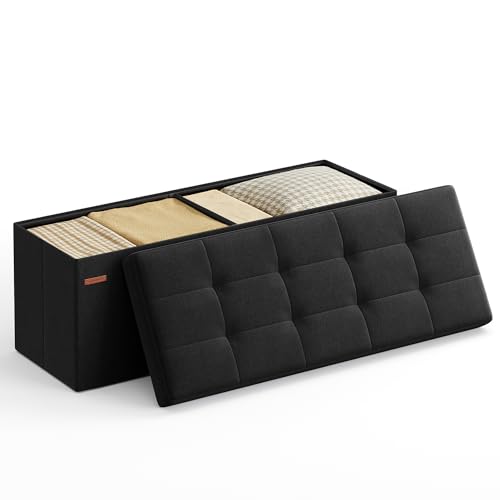
Utilize vertical storage solutions such as tall dressers or shelving units. These draw the eyes upwards, contributing to an illusion of height. I’ve found it helpful to choose multi-functional pieces that serve dual roles, like storage ottomans or beds with built-in drawers.
Leave enough space around each item for ease of movement. Aim for at least 24 inches of walking space between the bed and other furniture. This ensures comfort and accessibility without making the area feel cramped.


Finally, incorporate mirrors strategically. They reflect light and create a sense of depth, further enhancing a confined area. Balancing light colors for walls and bedding can also promote an airy atmosphere, making the space feel more open and inviting.
Arranging Pieces in a Compact Space
Maximize available area by positioning the bed against the longest wall. This creates more floor space for movement and other items. Choose a bed frame with built-in storage to eliminate the need for additional dressers or nightstands.
Utilize vertical space effectively. Install shelves above the bed or desk to house books, decor, or personal items. This not only keeps surfaces clear but adds character to the walls.
Opt for multi-functional pieces. A foldable desk or a bedside table that doubles as a seating area can dramatically enhance usability without overcrowding. When selecting chairs, look for stackable options that can be stored away when not in use.
Consider the flow of traffic. Ensure pathways between the door and windows remain open for easy access. Avoid placing large items diagonally, as this can make the space feel cramped.
Incorporate mirrors to create an illusion of depth. A large mirror on one wall can reflect light and give the appearance of a larger area, enhancing the overall ambiance.
Lastly, maintain a cohesive color scheme. Light and neutral shades can make the area’s proportions feel more balanced and airy. Accentuate with pops of color through accessories for a personalized touch.
Measure Your Room Dimensions Accurately
Begin with precise measurements of your space. Use a tape measure to know the length and width of the area where you plan to arrange your belongings. Record these dimensions on paper to create a clear reference.
Consider Height and Angles
Don’t overlook the vertical space. Measure the height from the floor to the ceiling as well. Check for any slanted walls or protruding elements like radiators or light fixtures that may affect your arrangement. Take note of the placement of windows and doors to ensure easy access and natural light flow.
Mark Key Points
Identify fixed points such as electrical outlets, light switches, and built-in wardrobes. Create a scaled floor plan either on graph paper or using digital tools. This visual representation can help in experimenting with different configurations without physically moving heavy items.
Choose Multi-Functional Furniture Pieces
Select pieces that serve multiple roles. A bed with built-in storage can replace a traditional nightstand, keeping essential items close while minimizing clutter. Look for ottomans that open up for storing blankets or shoes. These dual-purpose elements not only save space but also contribute to a streamlined aesthetic.
Examples of Versatile Options
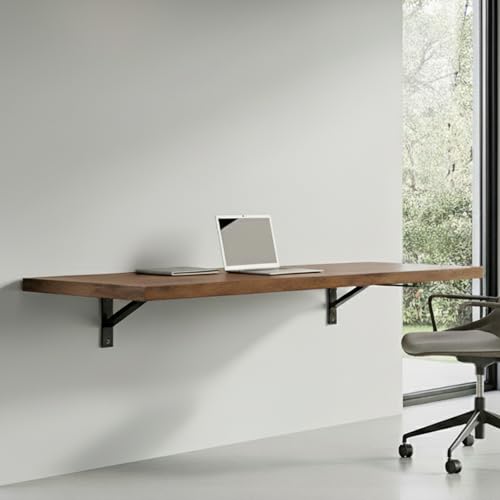
<p.Consider a wall-mounted desk that folds away when not in use, freeing up floor area for other activities. A convertible sofa is another practical choice, transforming into a sleeping area for guests without requiring a separate guest space. Use these options as anchors in your room layout to maximize both functionality and style.
Smart Storage Solutions
<p.Wall shelves can replace bulky bookcases, displaying decor and books while maintaining an open feel. Corner units can utilize otherwise wasted space effectively. Prioritize height in storage solutions to draw the eye upward, creating an illusion of more open space and allowing ample room for movement.
Utilize Vertical Space with Shelving
Incorporating shelves on walls maximizes storage without occupying floor area. Opt for floating shelves or wall-mounted units to display books, decor, and everyday items. This approach not only keeps things organized but also enhances visual appeal.
Consider installing shelves above the bed. This space is often underutilized, yet it provides easy access to items while maintaining a cozy atmosphere. Use these for lightweight, decorative objects or minimalistic storage boxes.
Vertical bookcases can be strategically placed in corners, making use of otherwise neglected spaces. Choose designs that reach the ceiling, offering ample storage and drawing the eye upward, which visually enlarges the area.
Using diverse shelf styles adds dimension. Combine open shelves for display with closed cabinetry for storage, maximizing function. Ensure shelving complements existing decor to maintain a cohesive look in the environment.
| Type of Shelf | Benefits |
|---|---|
| Floating Shelves | Space-saving, customizable placement, minimalist look |
| Wall-Mounted Units | Versatile, offers both open and closed storage options |
| Corner Bookcases | Utilizes corners, heightens vertical storage |
| Over-the-Bed Shelving | Free floor space, enhances accessibility to items |
Maximizing vertical storage keeps the living area organized and reduces clutter. Choose sturdy materials to ensure safety and reliability, especially with heavier items. Experiment with layout and design until you find the perfect balance of functionality and style.
Position the Bed for Maximum Flow
I prioritize placing the bed in a manner that optimizes movement throughout the room. First, I recommend positioning it against the longest wall. This approach creates a clear pathway and prevents congestion near entryways.
Next, I consider the door swing. The bed should not obstruct access to the entry, enabling a smooth transition in and out. If possible, I leave at least 24 inches of clearance for walking space alongside the bed.
I often avoid placing the bed directly across from the door. Instead, angling it slightly or pushing it toward a corner can enhance the layout and make the area feel more spacious.
Here are a few additional tips:
- Ensure that both sides of the bed are accessible. This promotes ease of use and creates a balanced appearance.
- If using a headboard, I choose one that doesn’t protrude excessively to maintain an open feel.
- Consider wall-mounted lighting to save space on nightstands, allowing for easy access without crowding the sides.
By following these guidelines, I can create an inviting environment that maximizes flow and functionality, enhancing the overall experience within the living space.
Create Zones for Different Activities
I recommend dividing the room into designated areas to enhance functionality. Start by identifying primary activities such as sleeping, working, and relaxing. This segmentation allows for better organization and makes essential tasks more comfortable.
Define a Sleeping Sanctuary
Place the bed in a position that promotes restfulness, ideally away from distractions. Incorporate a bedside table with a lamp for nighttime reading. Use soft linens and calming colors to make this space inviting.
Design a Workspace
Set up a small desk in a corner or near a window for natural light. Opt for a chair that can be tucked away when not in use. Include a few shelves above the desk for office supplies, keeping the area tidy and functional while minimizing clutter.
Lastly, allow a small corner for relaxation, perhaps with a comfy chair or a floor cushion, creating a peaceful nook for unwinding with a book or enjoying quiet time.
Incorporate Storage Solutions Under the Bed
Utilizing the space beneath the sleeping area can significantly enhance organization. Opt for storage bins that easily slide in and out for access to seasonal clothing, extra linens, or shoes. Choose clear containers to quickly identify contents without removing them.
Alternatively, consider a bed frame designed with built-in drawers. This option provides a streamlined appearance while maximizing storage potential. For those with a tight budget, repurposing old crates or boxes can also achieve a rustic look and functional storage.
Keep the items stored under the mattress relevant to the season or your current needs, minimizing clutter. Labeling boxes can aid in quick identification. Regularly rotate the stored items to ensure that the setup remains effective.
Below is a simple guide to various under-bed storage solutions:
| Type | Description | Pros | Cons |
|---|---|---|---|
| Sliding Bins | Plastic bins that slide under the frame. | Easy access, versatile. | May require crawling or bending. |
| Bed Frame Drawers | Integrated drawers within the frame. | Maximizes space, adds style. | More expensive. |
| Storage Boxes | Standard boxes or crates stored under. | Cost-effective, customizable. | Can be less organized. |
By creatively utilizing this often-overlooked area, maintaining an uncluttered and orderly environment becomes more manageable, allowing for a more welcoming atmosphere.
Use Mirrors to Create a Sense of Space
Incorporate mirrors into your design to visually expand the area. A large mirror on one wall can reflect light and create illusions of depth. Position it opposite or adjacent to a window to maximize natural light reflection, enhancing brightness.
Smaller mirrors can also be strategically placed above furniture or within shelves, adding layers without overcrowding. A mirrored bedside table can serve dual purposes, providing surface area while visually opening up the room.
Consider the frame style; sleek, minimalist designs work well in compact areas, maintaining a contemporary aesthetic. Additionally, using mirrored accessories, like decorative trays or picture frames, can complement the main mirror without overpowering the space.
Experiment with varying mirror sizes and shapes for a dynamic look, but avoid excessive clutter, which can negate the airy feel. By leveraging mirrors thoughtfully, I can transform the perception of my living quarters, ensuring they feel larger and more inviting.
Consider Color and Light to Enhance Ambiance
Choosing the right palette can dramatically influence the atmosphere of a compact area. Light, neutral shades such as soft whites, pale grays, and light beiges create an illusion of spaciousness. These tones reflect natural light, making the area feel airy and open.
- Incorporate accent colors through decor elements like pillows, art, or a throw blanket to add personality without overwhelming the space.
- Consider using a monochromatic scheme; stick to varied shades of a single color to unify the environment and create depth.
Natural light is a key component that enhances the overall feel. Maximize daylight by positioning reflective surfaces strategically. Mirrors, for example, can boost brightness and view, expanding the perceived size.
- Place a mirror opposite a window to capture and amplify incoming light.
- Use sheer curtains to allow sunshine to filter in while maintaining privacy.
Artificial lighting also plays a significant role. A combination of ambient, task, and accent lighting can contribute to a warm, inviting atmosphere. Overhead lights provide general illumination, while bedside lamps or wall sconces serve functional needs.
- Opt for adjustable lighting options to create different moods; dimmable fixtures are ideal for flexibility.
- Incorporate multiple sources of light rather than relying on one central source to avoid harsh shadows.
Experiment with different configurations and colors to discover what resonates best with you. Take note of how these elements interact throughout different times of the day to achieve your desired ambiance.
FAQ:
What are some space-saving furniture ideas for a small bedroom?
When dealing with a small bedroom, optimizing space is key. Consider using multifunctional furniture such as a bed with built-in drawers or a lofted bed that frees up space underneath for a desk or storage. A wall-mounted desk can also save floor space, while collapsible or foldable chairs can be easily stored away when not in use. Using a bedside table with shelves or a narrow console table can provide functionality without consuming too much space.
How can I arrange my small bedroom furniture to create a more open feel?
To create an open feel in a small bedroom, start by placing larger furniture pieces against the walls to maximize floor space in the center. Avoid blocking windows with tall furniture, allowing natural light to flow. Arrange your furniture in a way that keeps pathways clear, and consider the scale of each piece. Opt for lighter colors or transparent materials, such as glass tables, to enhance the sense of openness. Mirrors can also be strategically placed to reflect light and give the illusion of a larger room.
What are the best layouts for a bedroom with limited floor space?
In a bedroom with limited floor space, L-shaped layouts can be very effective. Position the bed in a corner to open up more space for other furniture and movement. Alternatively, consider a layout with the bed against the longest wall, facing the entrance, which can create a more inviting atmosphere. If your room has a closet, placing the bed across from it can help maintain balance. Remember, maintaining clear walkways is important for functionality irrespective of the layout you choose.
Can you suggest ways to maximize storage in a small bedroom?
Maximizing storage in a small bedroom involves both creativity and judicious use of space. Use under-bed storage bins for seasonal clothing or shoes. Overhead shelving can help keep smaller items organized and reachable. Consider investing in a headboard with built-in shelves or using wall-mounted organizers for books and accessories. Additionally, decluttering regularly and using decorative storage boxes can help keep things tidy while enhancing the room’s style.


