
 Caleb Turner
Begin by clearing a path–remove small items and shift larger pieces slightly. Positioning them thoughtfully allows access while minimizing disruption. Use furniture sliders for heavy items; they make relocation effortless and protect the underlying surface.
Next, measure the area accurately. Precise dimensions guarantee a snug fit, reducing the need for excess adjustment. Don’t overlook corners and nooks, as they require special attention for a polished finish.
Consider the type of underlay; it significantly impacts comfort and durability. A quality padding will enhance the overall feel and extend the lifespan of your chosen surface. After laying down the underlayment, securely tape the seams to prevent any movement during installation.
When positioning the covering, start from the most visible area, ensuring a seamless transition with careful cutting and trimming around obstacles. Use a utility knife for clean edges, and fit tightly against walls and large objects. This method ensures a professional look, even amidst existing elements.
Steps for Installing Flooring in a Space Occupied by Items
Begin by measuring the area accurately. This ensures you have sufficient material before commencing and avoids unnecessary waste. Clear a path that will allow you to maneuver easily while minimizing disruption to your setup.


Consider relocating smaller pieces temporarily. For larger items, like sofas or beds, utilize furniture sliders or a dolly. This technique allows for easy movement without straining or damaging the surface beneath.
Use a utility knife to trim the material to fit the mapped-out dimensions. If working around substantial fixtures, create suitable shapes that accommodate them. Always ensure the edges are neat to promote a cleaner finish.
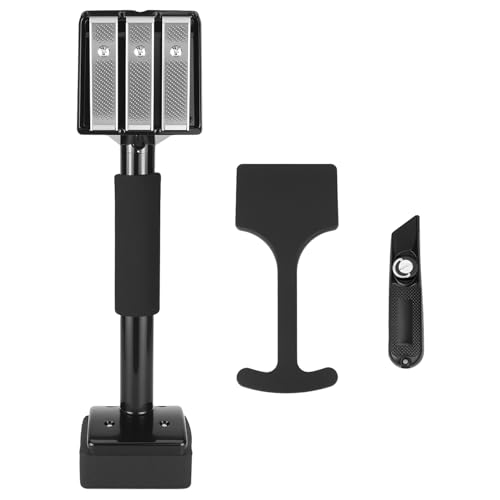
Utilize a knee kicker or a roller for proper adhesion. Applying consistent pressure during installation is key; this step secures the new surface effectively. Pay close attention to seams, ensuring they align perfectly to prevent gaps or bulges.
After installation, allow the material to settle, maintaining a well-ventilated area for any adhesives to cure efficiently. Once set, replace the larger items back, ensuring they maintain stability and functionality.
Lastly, consider placing protective pads under heavier objects to prevent wear over time. This simple addition preserves the transformed appearance and ensures longevity for the investment made.
Assessing the Layout and Arrangement of Items
Begin by measuring the dimensions of the space, noting the location of windows, doors, and vents. This ensures I account for all architectural features that may affect the positioning of my coverings. Create a scaled drawing to visualize how the furnishings are distributed within the area.
I recommend taking inventory of each piece of furniture and its intended placement. Prioritize larger items, like sofas or beds, as they define the layout. Consider their alignment with traffic flow–ensuring walking paths remain unobstructed. Pay close attention to the symmetry or asymmetry desired; balanced arrangements often enhance the aesthetics of the decor.
Evaluating Accessibility and Visibility
Assess how accessible each item is and whether important elements are highlighted or hidden. For example, a coffee table should be centric to seating, promoting engagement. Don’t forget to factor in the functionality of each piece; ensuring utility is critical. For areas requiring movement, such as dining or gathering spaces, arrange seating to facilitate conversation.
Final Considerations Before Installation
Prior to installation, visualize how the new material complements existing colors and textures. Ensure the chosen product aligns aesthetically and serves the intended purpose, balancing comfort and durability. Measure and then cut appropriately, allowing for the unique characteristics of each piece already present in the area. This step guarantees minimal waste and the most polished appearance for the finished look.
Choosing the Right Material for Your Space
Opt for synthetic fibers if durability and stain resistance are priorities. These materials, such as nylon and polyester, are often easy to clean and can withstand high foot traffic, making them suitable for busy households.
Natural Fibers
- Wool: Highly regarded for its softness and warmth, wool offers excellent insulation but can be more susceptible to staining. Regular maintenance is crucial to keep it looking fresh.
- Silk: Known for its luxurious feel and sheen, silk is delicate and better suited for low-traffic areas. It may require professional cleaning to maintain its appearance.
Choosing Based on Usage
Consider the specific activities in each space. For example, if you have pets or children, look for materials that stand up to spills and wear. If comfort is your main goal, opt for softer textures.
- Low-pile options: Ideal for high-traffic areas due to their resistance to matting.
- High-pile choices: Offer a plush feel but can trap dirt and hair more easily.
Selecting the appropriate material can enhance both functionality and aesthetics, ensuring longevity and satisfaction. Carefully assess your lifestyle, preferences, and maintenance capabilities to make an informed decision.
Gathering Necessary Tools and Materials
I ensure I have the following tools handy: a utility knife for precise cutting, a measuring tape for accurate dimensions, and a straight edge for clean lines. Tacks or double-sided tape are crucial for securing the material in place, depending on the type of backing chosen.
A knee kicker is invaluable when adjusting the fit, while a carpet stretcher may be required for larger spaces to avoid wrinkles. Additionally, a staple gun can help keep edges tight against the skirting or baseboards.
I also maintain a supply of adhesive and seam tape for joining two pieces together without visible lines. An underlay or padding is essential, offering comfort and insulation while prolonging durability.
Lastly, I don’t forget a pair of safety goggles and knee pads; protecting myself during the installation process makes the whole task much smoother.
Preparing the Floor for Carpet Installation
I clear the area by removing any existing flooring materials, such as old rugs or tiles, to expose the subfloor. Ensuring a smooth and clean surface is paramount. I check for damages or depressions in the subfloor and address them; filling in cracks or holes with a suitable filler can prevent issues later.
Cleaning the Subfloor
Using a vacuum or broom, I eliminate all dust and debris. Should there be any adhesive residue from previous installations, I scrub it away using a suitable solvent to prepare for a fresh start.
Ensuring Moisture Control
I assess moisture levels by utilizing a moisture meter, especially if the installation is taking place in a basement or similar area. If moisture is detected, appropriate measures such as employing moisture barriers or sealing the subfloor are essential to prevent future complications.
Moving Heavy Furniture Safely and Efficiently
Before initiating the shift of bulky items, ensure to clear the pathway of any obstacles. This reduces tripping hazards, allowing for smoother navigation.
Use a furniture dolly for larger pieces. Position the dolly under the object’s center of gravity for balance, and secure it with straps if available. For added safety, have a partner assist in steering. This minimizes strain and risk of damage.
When lifting, follow proper body mechanics. Bend your knees, keep your back straight, and lift using your legs instead of your back. This technique distributes weight more evenly and reduces injury risk.
If an item is exceptionally heavy or awkwardly shaped, consider disassembling it. Remove legs from tables or shelves from dressers. This not only lightens the load but also simplifies transportation through tight spaces.
For smaller or more delicate articles, use furniture sliders. Place these under the legs to facilitate a glide across the surface, preventing scratches on the flooring below.
| Item Type | Moving Method | Safety Tip |
|---|---|---|
| Heavy Sofa | Furniture Dolly | Team Lift |
| Bookshelf | Disassemble | Secure Loose Parts |
| Coffee Table | Furniture Sliders | Use Protective Covering |
| Beds | Disassemble if Needed | Keep Hardware Together |
Lastly, plan the destination for each piece ahead of time. This prevents unnecessary backtracking and streamlines the process. After repositioning, ensure everything is stable and secure before stepping away.
Measuring and Cutting Carpet to Fit Around Furniture
Begin by determining the dimensions of each area where the material will be installed. Use a tape measure to obtain measurements around major pieces of furniture. It’s best to take measurements from multiple angles to ensure accuracy.
Steps for Accurate Measurement
- Start at one corner and measure the length to the opposite wall, accounting for the footprint of the furniture.
- Record the width of the area between furniture pieces. If gaps occur, make sure to measure those as well.
- Consider any irregular shapes; break down complex sections into smaller rectangles or squares for precise calculations.
After measuring, create a layout plan. Sketch the area, marking the furniture locations and dimensions. This visual aid will assist in identifying necessary cuts and seams in the material.
Cutting Techniques
- Transfer your measurements to the back of the carpet material, ensuring to include extra material for adjustments.
- Utilize a straight edge to guide the cutting tool. A utility knife will provide clean edges when cutting through the fibers.
- For curves or angles around furniture legs, make notch cuts to allow the fiber to properly tuck under or fit tightly against the objects.
After obtaining the pieces, lay them in position temporarily around the furniture. Ensure that each section fits snugly. Make any additional cuts or adjustments as necessary to achieve a seamless look.
Installing Carpet Sections Around Existing Furniture
Cut sections to fit around pieces to create a seamless appearance throughout the space. Start by measuring all areas needing coverage, taking into account the size and shape of the items present.
Measurement Precision
Utilize a measuring tape for accuracy. Document the dimensions of each piece of furniture, noting their relationship to walls and other decor. This allows for better planning and prevents mistakes when cutting material.
Effective Cutting Technique
Use a sharp utility knife for clean cuts. Ensure that the underlay is properly attached to the subfloor before cutting sections, as this improves stability. Lay your material flat and mark where cuts will be made, then follow your guidelines closely.
| Furniture | Measurement (inches) | Recommended Cut Size (inches) |
|---|---|---|
| Couch | 80 x 36 | 82 x 38 |
| Coffee Table | 48 x 24 | 50 x 26 |
| Dining Table | 60 x 36 | 62 x 38 |
| Bed | 80 x 60 | 82 x 62 |
After cutting, fit sections around each item, ensuring a snug fit without excessive tension. Use double-sided tape where necessary to secure edges and prevent any movement. This method gives a polished look while maintaining functionality around heavy items.
Securing Flooring with Adhesives and Tack Strips
To ensure your new floor covering stays in place around existing pieces, my approach combines adhesives and tack strips efficiently.
Adhesives
Using a strong adhesive can provide stability in areas where traditional methods may not suffice. Here’s what I suggest:
- Type of Adhesive: Select a urethane-based adhesive for high-tack performance. It bonds well to various surfaces, including wood and concrete.
- Application Method: Use a trowel to apply the adhesive evenly across the subfloor, ensuring it covers the area beneath the flooring adequately.
- Timing: Allow the adhesive to set according to the manufacturer’s instructions before placing any sections on top.
- Cleaning:** Clean any excess adhesive immediately to avoid damage to the visible surface.
Tack Strips
Tack strips are key to keeping edges secure, especially along walls or heavy furniture zones. A few tips:
- Installation: Position the strips approximately 1/2 inch from the wall. This gap ensures the flooring doesn’t protrude under baseboards or skirting.
- Tools: Use a hammer and nails to secure the strips firmly into place. Make sure they are flush with the subfloor.
- Spacing: Install strips every 3-4 inches along the perimeter for optimal grip.
- Usage Tips: Pay attention to corners and doorways; additional strips may be necessary for enhanced hold.
By following these detailed steps, the desired integrity of the new covering is achievable even in a space filled with heavy items. Ensuring stability can extend the life of the flooring, making it a worthwhile effort.
Finishing Touches and Final Adjustments
After positioning the textile, I focus on achieving a seamless appearance. Adjusting the edges around the baseboards is key, ensuring the edges are tucked neatly without bulges or gaps. A straight-edge blade or carpet knife is useful for trimming any excess material precisely.
Next, I inspect the seams made during the fitting process. Applying double-sided tape or seam adhesive can enhance stability and prevent any lifting. Carefully aligning the fibers will ensure a uniform look across the surface.
Using a carpet roller, I gently press down on the installed sections to eliminate air pockets. This creates a snug fit between the textile and the subfloor, enhancing both comfort and longevity. If needed, recheck the alignment around any bulky pieces, ensuring everything sits flush.
To finalize the look, I take a vacuum cleaner to remove loose fibers and debris. This step not only improves aesthetics but also reveals any minor misalignments that may need correction. I check for any edges that might lift or areas that don’t lay flat, addressing them immediately.
Finally, I allow the adhesive to cure completely before moving any items back into position, ensuring the adhesive has set effectively. This careful attention to detail guarantees that the final presentation is cohesive and visually appealing.


