
 Caleb Turner

Using weighted covers can significantly diminish the risk of strong gusts displacing outdoor seating. By investing in high-quality, heavy-duty covers that fit snugly, I ensure that my pieces remain grounded even during storms.
Additionally, employing anchor kits designed for outdoor items provides an effective solution for maintaining stability. These kits typically include stakes or straps that connect items securely to the ground, offering a reliable protection method during inclement weather.
Another useful strategy involves utilizing furniture bags filled with sand or gravel. This adds weight without sacrificing aesthetics and can be easily concealed under the table or chairs. With a touch of creativity, I incorporate decorative planters or boulders around the seating area to create both visual interest and wind resistance.
Lastly, I keep an eye on the forecast and make it a habit to stow away lightweight pieces before predicted storms. Taking this simple step can save my outdoor investments from potential damage and prolong their lifespan.
Strategies for Securing Outdoor Seating
Weighting is the simplest solution; adding heavy objects, like bricks or sandbags, to the legs can provide stability during strong winds. Look for decor or planters that not only enhance the area but also serve this dual purpose.
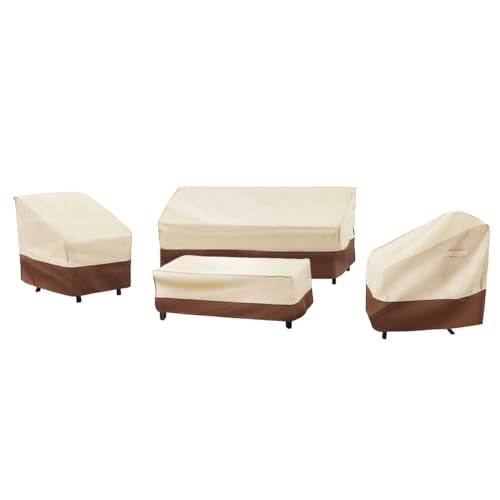


Anchor Options
Using anchors specifically designed for outdoor settings ensures that items stay put. These can be linked to table bases or chair legs, offering a solid grip against gusts. Explore options such as spikes or stakes that penetrate the ground, providing a sturdy hold.
Protective Covers
Specialized covers designed with wind-resistant features offer extra protection. Ensure they fit snugly to prevent the flapping effect that might lead to movement. Consider investing in covers with built-in ties or straps that secure them tightly to the items underneath.
Choosing the Right Location for Your Furniture
Selecting a sheltered spot is critical. Aim for areas that minimize exposure to direct wind. For instance, positioning items near a wall, fence, or landscaping can offer significant protection. This can also reduce the risk of encountering strong gusts.
Evaluate the Wind Direction
Prior to placement, assess the prevailing wind path in your area. This allows you to place items strategically, ensuring they are shielded during storms or high wind events. Observing the environment for frequent wind shifts will help determine optimal spots.
Consider Surface Stability
Flat and solid surfaces are ideal. Uneven or gravelly ground may lead to instability, increasing the chance of topple. Positioning on stone or concrete can enhance balance, making it less likely for winds to displace items.
Finally, re-evaluating your setup with changing seasons is wise. Different weather patterns may require adjustments to ensure items remain secure. Addressing these factors will significantly contribute to an organized and safe outdoor area.
Utilizing Weight Bags and Anchors
Opt for high-quality weight bags to stabilize outdoor seating. These bags can be filled with sand or gravel, providing significant mass to secure items in place.
Consider placing weight bags at strategic points: under each chair and around tables. Ensure they are not easily visible, maintaining the aesthetic of the outdoor area.
Using Anchors
In addition to weight bags, anchors offer a sturdy method to prevent movement. Installing ground anchors is effective for larger pieces. Choose heavy-duty models designed for outdoor use.
- Install anchors into the ground or patio surface.
- Attach furniture legs to the anchors using durable straps or ropes.
This approach creates a secure connection, minimizing the risk of displacement during windy conditions. Check the tightness of connections regularly to ensure ongoing stability.
Securing Furniture Covers During Storms
Always choose covers designed specifically for outdoor items. These should feature straps or ties to attach securely, preventing them from lifting or blowing off during strong winds. Select covers made from durable materials that resist water and UV damage while ensuring they fit snuggly over each piece.
Utilizing Velcro Straps
Consider covers with built-in Velcro straps that anchor at the bottom. These prevent flapping and reduce the risk of the cover detaching. If the cover lacks these features, adding your own adjustable straps can provide extra stability during adverse weather.
Using Additional Weights
Placing bricks or weights on top of the covers can enhance security. Ensure that the chosen weights do not cause damage, either to the cover fabric or to the underlying items. Seek options that are both effective and easy to remove when accessing the furniture beneath.
Installing Windbreaks or Barriers
To minimize the risk of outdoor seating and tables being displaced by gusts, consider erecting solid barriers such as fences or hedges. A height of at least four feet creates an effective shield against wind currents.
Using lattice panels can provide privacy while simultaneously breaking the wind. Install these vertical structures at strategic angles to direct blowing air upwards, reducing its impact on lightweight items.
Planting dense shrubs or trees adds a natural windbreak. Select species native to the area, as they are better adapted to local conditions and require less maintenance. Ensure that the growth is maintained to enhance effectiveness over time.
Retractable awnings or canopies also serve dual purposes: providing shade and protection against wind. These structures can be adjusted based on weather conditions, offering flexibility with minimal effort.
Consider using patio screens made of durable materials. They not only act as a wind deflector but can also enhance the aesthetic of the outdoor area, giving it a cozy atmosphere while reducing movement of light items.
Regular Maintenance and Inspections
Inspecting each piece of outdoor seating and tables regularly is fundamental. Look for signs of wear, rust, or any structural issues. Wooden structures might require resealing or staining to prolong their lifespan and resilience against elements.
Cleaning is equally important. I use a mixture of mild soap and water to remove dirt and debris. This prevents the accumulation of grime that can weaken joints and surfaces over time. For cushions and fabrics, checking for mold or fading is crucial, as this can impact usability and appearance.
Inspect the hardware as well, including screws and bolts. Tightening loose components before storms can prevent disassembly during strong winds. I also recommend applying a lubricant to any moving parts to ensure they remain functional.
Seasonal storage should not be overlooked. During off-seasons, I recommend storing items indoors or under protective covers. This reduces sun and moisture exposure, significantly extending the life of each item.
Finally, creating a maintenance schedule helps me stay organized. Regular checks every month during the peak season can catch issues early. Documentation of repairs or replacements ensures I remain informed about the condition of my outdoor assets.
Exploring Furniture Design Options
Choosing items engineered with sturdiness in mind greatly influences their resistance to outdoor elements. Heavy-duty materials like aluminum, wrought iron, or high-density polyethylene enhance stability, minimizing displacement risks. Consider designs with lower profiles, which present less surface area to wind forces.
Material Characteristics
Using weather-resistant materials is paramount. Here’s a quick comparison of popular options:
| Material | Durability | Weight |
|---|---|---|
| Wood | Moderate | Variable |
| Aluminum | High | Light |
| Wrought Iron | Very High | Heavy |
| Plastic | Low | Light |
Modular Solutions
Opting for modular configurations allows for the arrangement of elements tailored to seasonal conditions. Versatile pieces can be grouped or separated as needed, which provides flexibility and adjustment to wind exposure. Many manufacturers offer items that can be secured together, further enhancing stability during unpredictable weather conditions.
FAQ:
What are some simple ways to secure patio furniture against wind?
There are several effective methods to keep patio furniture from blowing away. One option is to use furniture weights or anchors specifically designed for outdoor furniture. These can add extra stability. Another approach is to secure your furniture to the deck or patio using straps or bungee cords. Alternatively, consider storing smaller items indoors or in a shed during windy conditions. For tables and larger pieces, placing them in a protected area, like near a wall or fence, can reduce wind exposure.
How do I know which patio furniture is suitable for windy conditions?
When selecting patio furniture for windy areas, look for materials that are heavier, such as metal or dense plastic, as these are less likely to be picked up by strong gusts. Additionally, design features like lower profiles and wider bases contribute to stability. Always consider the weight of the furniture; heavier pieces will remain secure in windier environments. If you’re unsure, reviews and ratings from other customers can provide insights into how well a product holds up in windy conditions.
Are there specific types of furniture that are more likely to blow away?
Lightweight furniture, such as those made from thin plastic or lightweight aluminum, tends to be at a higher risk of being blown away. Bar stools and small side tables can easily tip or move in strong winds. To prevent this, consider using heavier materials or adding weights. Patios equipped with furniture like sofas or hefty dining sets will generally fare better in windy conditions, as their weight helps keep them grounded.
What maintenance tips can I follow to help my outdoor furniture withstand wind storms?
Regular maintenance is key to prolonging the life of patio furniture in windy areas. Always ensure that any loose parts, such as screws or bolts, are tightened. Clean your furniture regularly to remove debris that could contribute to instability. Additionally, applying a weatherproof sealant can help protect materials from wear caused by the elements. During storm forecasts, it’s wise to secure furniture or move it to a sheltered location to minimize damage.
Is it better to store patio furniture indoors or invest in protective covers?
Storing patio furniture indoors is the best option if you have the space, as it offers maximum protection from wind and other weather elements. However, if indoor storage isn’t feasible, investing in high-quality protective covers is a smart alternative. These covers help shield furniture from wind, rain, and sun damage, extending its lifespan. Just make sure that the covers are securely fastened, as strong winds can sometimes lift them and blow them away.
What are some practical ways to secure patio furniture against strong winds?
One effective method to prevent patio furniture from blowing away is to use furniture weights or anchors. These can be attached to the legs of chairs or tables to keep them grounded. You can also consider purchasing outdoor furniture that is specifically designed to withstand wind, as they often have heavier bases and more stable structures. Another option is to use tie-downs or straps to secure the furniture to stationary objects like railings or posts. Always ensure that your furniture is made of durable materials and can endure outdoor elements.
How can I protect my patio furniture during a storm?
To protect your patio furniture during a storm, first, prioritize bringing lightweight or portable pieces inside. If the furniture is too heavy to move, cover it with weather-resistant tarps or protective covers, ensuring that they are securely fastened to prevent them from being blown away. Additionally, consider placing larger pieces in a sheltered area, such as behind a wall or under a porch. It’s also wise to regularly check the weather forecast, so you can prepare your outdoor space ahead of time. After the storm, inspect your furniture for any damage and clean it thoroughly to maintain its condition.


