
 Caleb Turner
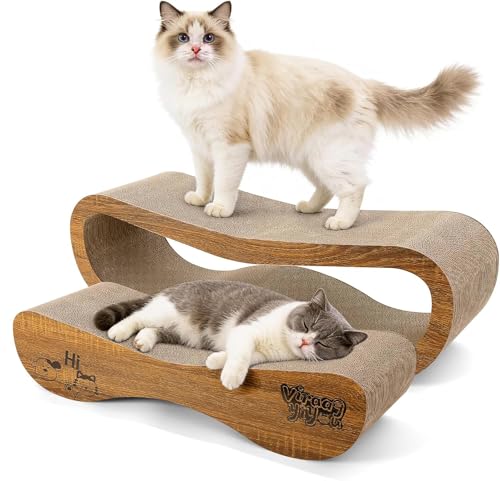
I recommend providing ample scratching alternatives to redirect playful behavior. Invest in sturdy scratching posts, ramps, and pads made of different materials like sisal or cardboard. Position these items near favorite resting spots or areas where your pet tends to play, as this encourages engagement with appropriate surfaces.
Incorporating interactive playtime into the daily routine is also beneficial. Utilize feather toys, laser pointers, or simple balls to stimulate activity away from prohibited areas. This not only expends energy but also minimizes attention on non-designated items.


Applying a pet-safe deterrent spray on furniture can create an unappealing scent for the feline friend. Additionally, covering furniture with protective throws or special furniture covers can serve as a barrier until more desirable scratching options are established.
Regular nail trimming is another critical aspect. Keeping claws short helps reduce potential damage, so set a schedule that aligns with grooming sessions. This proactive measure balances comfort for both you and your furry companion.
Understanding Why Kittens Scratch
Recognizing natural behaviors helps in redirecting them. Scratching serves multiple functions for young felines, including claw maintenance, marking territory, and stretching their bodies. Providing appropriate outlets for these instincts is crucial.
Claw care plays a significant role. Felines shed old claw sheaths while scratching, which keeps their claws sharp. Offering a dedicated scratching post can facilitate this self-grooming activity and satisfy their urge.
Additionally, scent glands located in their paws release pheromones when scratching, marking their environment. Introducing designated items encourages this territorial behavior in acceptable areas, reducing unwanted damage.
Stretching occurs during scratching, keeping their muscles and tendons flexible. Ensuring vertical and horizontal surfaces for this activity promotes physical health and well-being. Various heights can accommodate different preferences.
Young ones also exhibit playful behavior through scratching, often mimicking hunting instincts. Providing engaging toys can divert attention from valuable household items, leading to a more harmonious living space.
Understanding these motivations allows for effective redirection strategies, ensuring both the feline’s needs and the integrity of furnishings are preserved.
Choosing the Right Scratching Post
Opt for a scratching post that is tall enough for stretching and sturdy enough to withstand vigorous play. Look for one that is at least 30 inches high to accommodate climbing and scratching instincts.
Materials Matter
Natural sisal is a preferred choice due to its durability and texture. Avoid fabric-covered posts; they tend to attract attention for the wrong reasons. Wood posts are also suitable, especially when unfinished, as they provide a satisfying surface for claws.
Types of Scratching Posts
| Type | Benefits |
|---|---|
| Vertical | Encourages stretching and climbing, simulates trees in nature. |
| Horizontal | Ideal for those who prefer to scratch while lying down, easy to place in various locations. |
| Multi-Level | Offers different scratching surfaces and play options, keeps cats engaged. |
Consider incorporating multiple styles to cater to varied preferences. Observing one’s behavior can guide adjustments in placement and type to enhance satisfaction and usage.
Using Cat Repellents on Furniture
Apply citrus-scented sprays to surfaces that tend to attract attention. Cats generally dislike citrus, so a mixture of water and lemon or orange essential oil can deter them.
Another option is vinegar. Dilute vinegar with water in a spray bottle and lightly mist your furniture. The strong scent will make it less appealing.
Consider commercial cat repellents available in pet stores. Choose ones labeled as safe for home use and follow the instructions carefully to avoid any potential harm.
Double-sided tape can be an effective barrier. Place strips of tape on areas where scratching is undesirable. The sticky texture will discourage them from approaching the surface.
Using a deterrent spray that emits a non-toxic bitter taste can also be effective. Apply it on specific spots to condition them not to return.
Regularly refresh repellent applications to maintain their effectiveness, especially after cleaning or when they begin to adapt to the scents.
Ultimately, combining these methods with proactive training and providing suitable alternatives, like scratching posts, can create a harmonious environment.
Setting Up a Designated Scratching Area
I recommend choosing a specific location in your home for a scratching zone. This area should be easily accessible yet separate from high-traffic regions that might provoke curiosity. A corner of a room or a quiet space often works well.
Include a sturdy scratching post or two in this designated area. Make sure they are tall enough to accommodate stretching, as this encourages use. Different materials, such as sisal and cardboard, can provide varied textures that appeal to different preferences.
Position the posts vertically and horizontally, and place them near places where playful behavior occurs. This strategic placement can significantly increase engagement. I found that sprinkling some catnip on the posts can entice them even more, turning this zone into an attractive play space.
Consider adding soft bedding or toys nearby to make the area more inviting. A comfortable environment can attract them to scratch posts instead of opting for furniture. Regularly check for wear and replace any worn-out posts to maintain interest.
- Choose a quiet corner in your home.
- Install sturdy scratching posts of various materials.
- Position them close to play areas.
- Use catnip to attract attention.
- Incorporate soft bedding and toys nearby.
- Maintain and replace worn items promptly.
This approach creates a designated spot that transforms scratching into a positive behavior, helping to divert attention from furniture unwarrantedly.
Training with Positive Reinforcement
Whenever I want to guide a young feline towards preferred behaviors, I utilize positive rewards. For instance, each time I observe the little one interacting appropriately with a scratching post, I offer a small treat or verbal praise. This helps to create a connection between the desired action and pleasant outcomes.
Consistency matters. Every session should reinforce the same behaviors. I make sure to reward just after the interaction to ensure clarity. Timing is key; immediate rewards that follow the action are most effective.
In addition to treats, toys can serve as an attractive incentive. Encouraging the playful use of a scratching post can also happen through interactive play. If the little one engages with toys near the post, I provide affection or praise, reinforcing that this area is meant for their enjoyment.
Gradually, I introduce the concept of redirecting scratching by using specific phrases when observing the desired behavior. Associating the action with a verbal cue helps the young one learn. A calm voice and gentle encouragement create a welcoming atmosphere for learning.
Understanding my pet’s preferences adds an extra dimension. By noting their favorite treats or types of play, I can tailor rewards to enhance motivation. When discovering what inspires them, the process of learning becomes much more engaging and enjoyable.
Each session does not require long durations; short, focused interactions work best. This allows for effective reinforcement while maintaining enthusiasm. Frequent, brief training sessions ensure that both of us remain engaged and motivated.
Tracking progress is invaluable as well. I find that keeping a simple record of interactions helps in recognizing patterns, allowing adjustments as needed. Over time, I celebrate achievements–no matter how minor–as this fosters a positive association with learning.
Trim Your Cat’s Claws Regularly
Regularly cutting the claws of my feline companion has proven beneficial in minimizing damage to my belongings. Using cat claw clippers or specialized scissors, I carefully trim the tips of the claws once every 2-3 weeks to prevent overgrowth.
Steps for Claw Trimming
Begin by getting my pet comfortable with the process. I gently hold one paw at a time, pressing lightly on the pad to extend the claw. I avoid cutting into the pink area to prevent bleeding. If unsure, I trim just the pointed tip. Treats afterwards serve as a positive reinforcement.
Choosing the Right Tools
The right trimming tools can make this task easier. I opt for claw clippers designed specifically for cats, which provide precision and grip. Regularly checking and maintaining these tools ensures they remain effective, making the trimming sessions quick and stress-free.
Redirecting Scratching Behavior to Toys
Provide an array of interactive toys that engage and stimulate playfulness. Toys filled with catnip can be especially enticing, enticing the little one to pounce and scratch at them instead of household items. Rotate these toys regularly to maintain interest.
Incorporate Scratching Toys
Opt for toys specifically designed for scratching. Many options mimic natural surfaces like cardboard or sisal, which can attract attention and encourage the desired activity. Place these toys in areas where playful energy is highest.
Engage with Playtime
Actively engaging during play sessions enhances bonding and diverts attention from inappropriate items. Use wand toys or laser pointers to create excitement and movement, channeling their energy into fun rather than furniture destruction.
When these alternatives capture attention, reinforce positive behavior with praise or treats. This encourages the little one to associate scratching designated items with positive experiences.


