Caleb Turner

To deter these agile creatures from gnawing on outdoor seating, applying a spray made from cayenne pepper offers a simple yet effective strategy. This natural repellent creates an unpleasant experience for curious animals, discouraging them from returning to the area.
Additionally, consider placing effective barriers around your furnishings. Using decorative nets or wicker covers not only shields against unwanted behavior but also enhances the aesthetic appeal of your outdoor area. Choose materials that are lightweight yet durable, ensuring they remain intact even during inclement weather.
Maintaining cleanliness is another crucial aspect. Regularly remove food sources such as fallen nuts and seeds that might attract these critters. A clean environment significantly reduces the likelihood of them becoming a nuisance in your outdoor space.


Implementing motion-activated deterrents provides an added layer of protection. Devices emitting sounds or bursts of water can startle them, creating a strong aversion to the area. Position these units strategically to maximize their effectiveness without disrupting the tranquil atmosphere of your patio.
Methods to Deter Rodents from Damaging Outdoor Seating
Utilizing natural repellents effectively wards off these critters. Ingredients like cayenne pepper, vinegar, and citrus peels can create an unpleasant environment. Mix cayenne pepper with water and spray it onto the surfaces of your chairs and tables. This combination can keep them at bay.
Another tactic involves employing scents that rodents dislike. Peppermint essential oil is particularly potent. Soak cotton balls in oil and strategically place them around your seating area. Replace them regularly to maintain the fragrance.
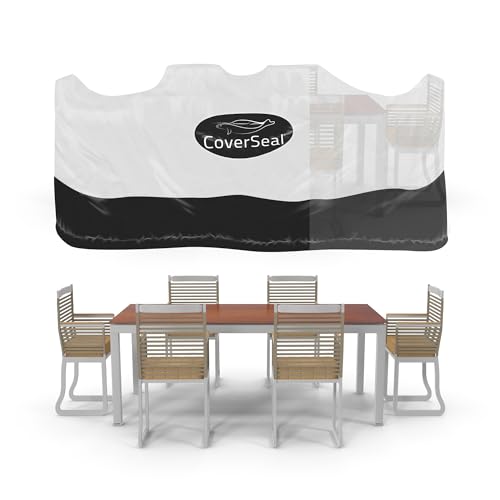
Protective covers serve a dual purpose: shielding against weather while acting as a barrier. Choose durable, thick materials that are resistant to bites. Ensure these layers fit snugly, leaving no gaps for access.
Regularly inspecting the area for food sources can make a significant difference. Remove any fallen fruits, nuts, or crumbs that might attract these animals. Cleaning up thoroughly after outdoor meals is vital.
| Method | Description |
|---|---|
| Natural Repellents | Utilize cayenne pepper and vinegar to create an unappealing spray. |
| Peppermint Oil | Soak cotton balls in peppermint oil and place them nearby. |
| Protective Covers | Use thick, durable covers to shield surfaces from damage. |
| Food Sources | Regularly remove any tempting items from the area. |
Installing physical barriers like fencing or wire mesh can also impede access. Ensure that these barriers are placed low enough to deter them from climbing over.
Lastly, considering adopting a small dog may serve as a natural deterrent. The presence of a canine can help keep these intruders away, as they typically avoid areas with potential predators.
Understanding Squirrel Behavior
Recognize specific preferences during foraging. These creatures are naturally inclined towards habitats rich in food sources. Identifying what attracts them helps implement effective deterrents. Pay attention to textures and scents that entice them, such as certain materials or food residues lingering on surfaces.
Common Attraction Factors
Here’s a list of the main items that draw their interest:
| Attraction Factor | Description |
|---|---|
| Food Residue | Crumbs or spills from meals can be an open invitation. |
| Bright Colors | Vivid hues may attract curiosity and further investigation. |
| Nesting Materials | Soft fabrics or loose fibers resemble potential building supplies. |
| Accessible Environments | Open or cluttered spaces make it easy for them to explore. |
Behavioral Patterns
Observe their active times. Typically, these creatures are most active in the early morning and late afternoon. Noticing their habits can guide preventive measures. In addition, they exhibit curiosity and intelligence, often investigating new objects within their territory. Durable items with strong scents might invoke a closer look, prompting possible damage.
Understanding these traits provides insight into how to safeguard belongings effectively. Adapt strategies according to their behavior for a more tailored approach, ensuring your possessions remain intact.
Choosing Squirrel-Resistant Materials
Opt for durable materials such as metal or high-density polyethylene for outdoor settings. These substances are less prone to damage compared to traditional options like wood or fabric. Materials like aluminum can withstand gnawing and scratching.
Consider Composite Products
Composite materials offer an excellent combination of strength and versatility. They often integrate recycled plastics with wood fibers, making them robust against chewers while remaining aesthetically appealing.
Prioritize Treated Fabrics
If opting for upholstery, select fabrics specifically designed for outdoor use. Fabrics treated with chemical repellents can deter pests and resist the wear from weather elements. Look for options labeled as UV-resistant and water-repellent for added longevity.
Regular maintenance can further enhance the durability of your selections. A protective coating or sealant can bolster resistance against potential threats. Ultimately, investing in robust, non-traditional materials significantly reduces the likelihood of damage.
Implementing Physical Barriers
To deter these creatures, I placed sturdy covers over all surfaces. Heavy canvas tarps work well, providing durability and resistance against gnawing. I secured the edges tightly to prevent any access points.
Another strategy involved fencing in the outdoor space. I opted for a low-height wire mesh that’s been buried a few inches into the ground. This intentional setup eliminates underground entry and makes it challenging for climbers to breach my area.
I also invested in protective enclosures. Clear acrylic panels around the seating area keep it visible while adding a robust layer of protection. Positioning them at a height that doesn’t obstruct my view allows me to enjoy the scenery without compromising on security.
Utilizing weighted planters as a part of the decor provided additional barriers. I filled them with soil and incorporated thick, thorny branches that act as a natural deterrent. These plants not only beautify the space but also create an uncomfortable environment for intruders.
Lastly, strategically placed barriers like tall stakes or reflective materials around the boundaries can disrupt any attempts at intrusion. Simple reflective tape or old CDs hung from branches can confuse and deter curious animals without causing any harm.
Applying Squirrel Repellents
Utilizing squirrel repellents significantly reduces the likelihood of damage to outdoor seating arrangements. I recommend using natural oils such as peppermint, cinnamon, or vinegar. These scents are highly unappealing to these small rodents. A simple mixture can be made by combining a cup of water with a few drops of essential oil. Spray this solution onto the surfaces of your outdoor items regularly to maintain its effectiveness.
Commercial Repellent Options
Numerous commercial sprays are specifically formulated to deter furry intruders. When selecting a product, verify that it is safe for use around pets and children. Apply per the manufacturer’s instructions, focusing on areas where biting or gnawing has been observed.
Creating a Discomfort Zone
- Consider using motion-activated devices that emit sounds or bursts of air to startle these animals.
- Installing reflective materials like aluminum foil or mylar strips may also discourage them from approaching.
- Noise-making items, such as wind chimes, can be hung nearby to keep them at bay.
Regular application and the combination of various deterrents create an unwelcoming environment, greatly reducing the chances of unwanted visitors damaging your outdoor furniture.
Using Deterrent Gadgets and Devices
Ultrasonic repellents serve as an efficient tool in discouraging unwanted visitors. These devices emit high-frequency sounds that are inaudible to humans but irritating to rodents. Positioning them near outdoor areas can create an unwelcoming environment, encouraging them to relocate.
Motion-Activated Sprinklers
Implementing motion-activated sprinklers offers an innovative approach. These devices detect movement and release a burst of water, startling any creature that approaches. Strategically placing them around your outdoor seating can deter interlopers, keeping your space safe.
Electric Fencing
Installing low-voltage electric fencing around your garden or deck area presents a physical yet non-lethal barrier. This setup provides a mild shock upon contact, teaching them to avoid the area. Consider a fence with a height that deters climbing, ensuring a proactive measure against these agile creatures.
Maintaining a Clean Outdoor Environment
Regular cleaning minimizes attractants that draw wildlife. I prioritize weekly sweeps of my outdoor area to eliminate debris, fallen leaves, and food crumbs that can entice unwanted visitors.
Disposing of trash in sealed containers prevents access to food sources. I choose bins with tight-fitting lids and place them away from areas where I spend time outdoors.
Utilizing storage for outdoor cushions and other items reduces exposure. I keep all cushions in weatherproof bags when not in use. This strategy protects them from both moisture and curious critters.
I also regularly check for any damage to outdoor equipment. Small holes or frayed materials might become points of entry. Repairing these promptly ensures stronger deterrents.
Setting up a designated eating area away from the main lounging spaces helps to separate food from my relaxation spots. I always clean this area after meals, making sure to remove all traces of leftovers.
Using natural repellents around perimeters can augment my cleaning efforts. Vinegar and water solutions work effectively to deter certain wildlife odors, so I spritz this around the patio edges as a precaution.
Keeping landscaping tidy also contributes significantly. I trim back overgrown plants and bushes; this minimizes cover that might harbor wildlife close to living spaces.
Finally, I maintain a consistent routine. Scheduling regular cleaning and maintenance tasks keeps my outdoor environment not just clean but also less inviting for furry intruders.
Creating Unappealing Conditions for Rodents
Implement a cover for your outdoor seating that discourages gnawing. Heavy-duty tarps or weather-resistant sheets can act as a barrier, making access more difficult. Regularly inspecting and repairing any damage will also help maintain this protective layer.
Consider relocating bird feeders away from sitting areas. Seeds and scraps attract various wildlife which can lead to unwanted intrusions. Ensuring no food debris is present after meals on your deck is paramount to dissuading visits.
Remove all sources of shelter nearby. Trimming overhanging branches or tall shrubs reduces potential nesting spots that may lure these animals closer to your area.
Regularly rotate furniture placement and accessories. Unfamiliar layouts can create a sense of disturbance, prompting them to avoid the space as it no longer feels predictable.
Apply ultrasonic deterrents that emit frequencies unsettling to many rodents. Placing such devices strategically can create a less hospitable environment, making it uninviting for unwanted visitors.
Finally, using citrus-scented sprays around your seating can act as a natural repellent. The strong aroma dissuades these critters, making them think twice before approaching.
Utilizing Natural Predators for Deterrence
Encouraging the presence of natural hunters can significantly reduce the chances of damage by small rodents. Consider installing nesting boxes or providing habitats for birds of prey, such as owls or hawks, in nearby trees. This can attract them to your area and promote a natural balance.
Another approach involves utilizing domestic animals that are instinctively inclined to chase or deter unwanted wildlife. For example, having a dog that exhibits a strong hunting instinct may help keep them at bay. Regularly allowing your pet outdoors can create a sense of caution among the local wildlife.
Additionally, the scent of certain predators can act as a repellent. Using commercially available predator urine, which is derived from animals such as foxes or coyotes, can be an effective deterrent when applied around your outdoor space. This mimicry of a natural ecosystem can trigger instinctual fear responses in smaller creatures.
Incorporating these strategies not only enhances the effectiveness of your deterrent measures but also contributes to a more balanced and harmonious outdoor environment.
Seeking Professional Pest Control Assistance
Contacting a pest management service becomes a necessary step if DIY methods fall short in protecting outdoor equipment. Professionals can assess the situation with expertise, providing tailored strategies that address specific challenges.
Factors to Consider
- Reputation: Research local companies, read reviews, and ask for recommendations from neighbors.
- Experience: Prior experience with rodent control ensures effective solutions tailored to unique circumstances.
- Methods: Inquire about approaches used, emphasizing humane and eco-friendly options.
- Follow-Up Services: Check if they offer ongoing support or monitoring, allowing for adjustments as necessary.
- Cost Estimates: Obtain quotes to compare services and understand the financial commitment required.
What to Expect
A thorough inspection will likely be conducted to identify signs of damage or entry points. Based on findings, a detailed action plan will be proposed, which may include a combination of exclusion tactics, habitat modification, and targeted treatments.
Ongoing communication with the service provider is crucial, keeping both parties informed about progress and potential adjustments to strategies. Regular maintenance or seasonal check-ups can prevent future complications and secure outdoor spaces effectively.