
 Caleb Turner

To avoid discoloration on concrete or tiled surfaces, I recommend placing coasters or felt pads beneath the legs of metal items. This simple step creates a barrier and minimizes direct contact, which reduces the risk of chemical reactions that lead to unsightly marks.
Applying a protective coating, such as a clear sealant or outdoor-grade paint, provides an extra layer of defense. Reapplying this barrier annually ensures ongoing protection against moisture and humidity, which significantly contribute to oxidation.
Regular maintenance is also key. I suggest cleaning the surfaces frequently using a mild soap solution and soft cloth. This practice removes dirt and debris that can trap moisture, preventing any buildup that might accelerate corrosion. Additionally, ensuring proper air circulation around the items helps them dry thoroughly after rain or cleaning sessions.

Prevention Techniques for Protecting Outdoor Seats
Choosing materials resistant to corrosion is a primary strategy. Aluminum and synthetic variants demonstrate resilience against moisture and temperature fluctuations, drastically reducing the likelihood of blemishes.
Applying a protective sealant can create a defensive barrier. Products designed for outdoor usage not only shield surfaces but also enhance their longevity, preventing deterioration caused by weather exposure.
Regular maintenance is key. Cleaning your surfaces with non-abrasive solutions keeps them free from contaminants that may contribute to discoloration. Employing a soft cloth or sponge ensures gentle handling.
Incorporating coasters or trays beneath decorative items serves as an additional safeguard. These barriers effectively absorb potential moisture and create a buffer between surfaces and items placed upon them.
Storing chairs and tables indoors during harsh weather can significantly mitigate risk. When storing is impractical, using protective covers can offer necessary defense against rain and humidity.
Be aware of the terrain beneath your pieces. Placing them on dry, solid ground reduces humidity contact that might lead to corrosion. Utilize mats or platforms to create a barrier between the ground and the items.
Select Rust-Resistant Materials for Outdoor Furniture
Opt for aluminum and stainless steel to ensure longevity and avoid discoloration. These metals resist oxidation, making them perfect for exposed environments. Another excellent choice is synthetic wicker, crafted from high-density polyethylene; it offers the aesthetic appeal of natural fibers without moisture absorption issues.
| Material | Benefits | Considerations |
|---|---|---|
| Aluminum | Lightweight, durable, and resistant to corrosion | May require occasional cleaning to maintain appearance |
| Stainless Steel | Strong, withstands harsh weather, and doesn’t rust easily | Can get hot in the sun; look for finishes that reduce heat absorption |
| Synthetic Wicker | Weather-resistant, lightweight, and easy to clean | Ensure it’s UV-resistant to prevent fading |
| Teak Wood | Natural oils help resist moisture and decay | Requires regular oiling for best durability |
Investing in these materials forms a protective barrier against moisture while providing reliable aesthetics that withstand the elements. Regular inspections and maintenance will further enhance their resistance to wear. Incorporating these choices into your outdoor arrangement can eliminate the risk of unsightly marks and enhance the overall durability of your pieces.
Properly Clean Your Patio Furniture Regularly
I recommend establishing a consistent cleaning routine for your outdoor seating. Utilize a mild soap mixed with warm water to gently scrub surfaces. A soft cloth or sponge works best to avoid scratching the finish. Rinse thoroughly with clean water to remove all soap residue, which can attract dirt over time.
Address Spills Immediately
Spills can lead to discoloration if not treated promptly. Quickly blot (do not rub) any liquid using a clean cloth. For stubborn spots, using a mixture of vinegar and water can help lift stains without causing damage.
Seasonal Maintenance
At the start of each season, perform a deep clean. Remove any cushions and wash them according to the manufacturer’s instructions. Inspect metal frameworks for corrosion and apply a protective sealant if necessary. Storing cushions indoors during harsh weather can also prolong their lifespan.
Incorporating these practices will help maintain the integrity of your outdoor pieces and prevent unsightly marks and damage over time.
Use Protective Covers During Bad Weather
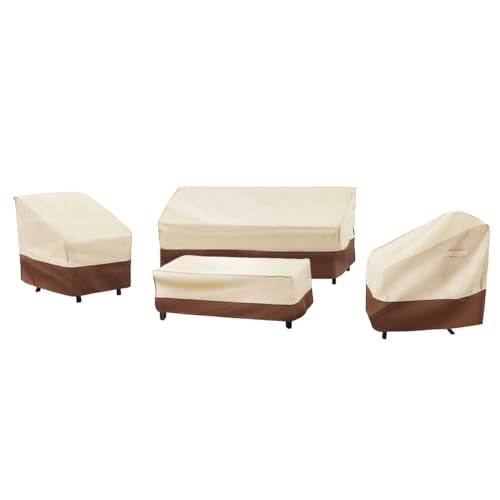
I recommend investing in high-quality protective covers tailored to the specific dimensions of your outdoor seating and tables. When the forecast predicts inclement weather, draping these covers over your outdoor seating helps prevent moisture buildup, which is a primary cause of corrosion.
Here are key benefits of using covers:
- Reduces exposure to rain, snow, and UV rays, minimizing damage.
- Enhances the lifespan of materials, ensuring they remain in prime condition.
- Keeps debris, such as leaves and dirt, from settling on surfaces, making post-weather cleanup easier.
Ensure the covers are breathable to prevent condensation buildup underneath. Additionally, secure the covers well to withstand strong winds, which could otherwise displace them and expose the underlying materials to the elements.
Selecting covers made from waterproof yet breathable fabrics is crucial. This combination prevents moisture accumulation while allowing any trapped humidity to escape, reducing the risk of corrosion on metal surfaces.
By routinely covering outdoor seating during adverse conditions, I can significantly reduce the likelihood of deterioration and maintain a clean, attractive outdoor space.
Avoid Placing Furniture on Wet Surfaces
By ensuring outdoor seating is not positioned on damp ground, I greatly reduce the risk of unsightly marks. Moisture can seep into the materials, leading to discoloration and unwanted residue. During rainfall or after watering plants, I keep my pieces elevated or move them to a dry area.
Use Coasters or Plastic Feet
I utilize coasters or plastic feet under each leg of my pieces. This simple addition prevents direct contact with saturated surfaces, promoting airflow and minimizing moisture retention. It proves effective in protecting the base while enhancing stability.
Regular Monitoring
I routinely check the surface on which my items rest. If I notice dampness or pooling water, I take immediate action to relocate them. This proactive approach ensures longevity and maintains their aesthetic appeal without the risk of undesirable blemishes.
Apply Rust Inhibitor Coatings on Metal Furniture
Applying rust inhibitor coatings is crucial for preserving metal pieces and preventing discoloration. These specialized products form a protective barrier that resists moisture and chemical reactions that lead to deterioration.
Choose a high-quality rust inhibitor designed for outdoor use. It’s important to follow the manufacturer’s instructions for application, including surface preparation and curing times.
Before applying the coating, ensure the surfaces are thoroughly cleaned and dry. Remove any existing rust spots with sandpaper or a wire brush to ensure proper adhesion of the coating. After cleaning, wipe the surface with a degreaser or solvent to eliminate any residues.
Here are some recommended types of coatings:
| Coating Type | Description |
|---|---|
| Oil-based | Provides a durable finish, ideal for high-moisture areas, and offers excellent corrosion resistance. |
| Acrylic | Fast-drying and water-based, is perfect for lighter protection against humidity. |
| Epoxy | Highly resistant to rust and chemicals; recommended for areas with heavy use. |
After application, allow adequate drying time before exposing the items to outdoor conditions. Reapply the coating annually or as needed to maintain optimal protection. Regular inspections for wear or damage can alert you to areas needing attention, ensuring longevity and avoiding eventual corrosion issues.
Store Furniture in a Dry Area During Off-Season
For optimal protection against corrosion, I ensure all outdoor seating and tables are stored in a well-ventilated, dry location during the off-season. This practice significantly reduces moisture exposure, which is a primary contributor to deterioration. A garage, shed, or basement works perfectly, as long as it’s free from humidity and water seepage.
Preparation Before Storage
Before placing items in storage, I clean them thoroughly to remove dirt, grime, and contaminants that can hold moisture. Additionally, I disassemble any bulky pieces if possible, making it easier to find space and allowing air to circulate freely around individual components.
Consider using Storage Solutions
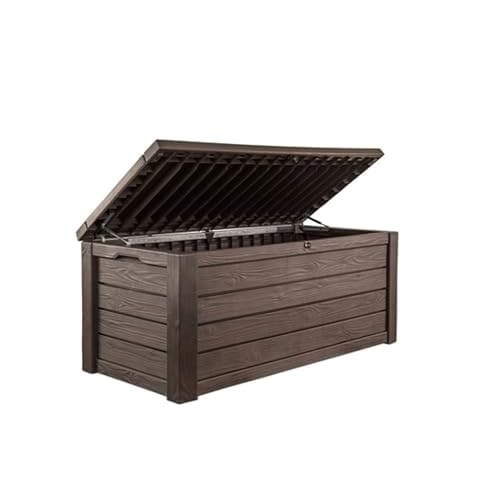
I often utilize protective wrappings or storage bags designed for outdoor goods, providing an extra layer of defense against moisture and pests. This approach not only preserves the physical condition but also extends the lifespan of my outdoor seating arrangements.
Inspect and Maintain Furniture Hardware to Prevent Rust
Regular inspection of the metal components is essential. Check screws, bolts, hinges, and other fittings for signs of corrosion. Replace any damaged or rusted hardware immediately to maintain integrity.
Routine Maintenance Steps
- Conduct visual inspections every few months, focusing on joints and connections.
- Apply a lubricant to moving parts to prevent moisture accumulation.
- Use a soft cloth to wipe down surfaces, removing dirt and debris that can retain moisture.
Specific Actions to Take
- When assembling or disassembling, use stainless steel or galvanized parts, as these materials resist corrosion.
- Consider using silicone sealants on joints to create a waterproof barrier.
- Annually, thoroughly clean all metal surfaces with a rust remover to eliminate any developing corrosion.
By prioritizing the condition of the hardware, I can significantly prolong the life of my outdoor seating while minimizing unwanted discoloration of surfaces it contacts.
Use Non-Metallic Furniture Feet to Prevent Stains
Choosing non-metallic feet for outdoor seating and tables helps eliminate the risk of discoloration on surfaces. Materials like plastic or rubber provide excellent barriers against moisture and contaminants that lead to blemishes.
Benefits of Non-Metallic Feet
- Resistant to corrosion and water damage.
- Won’t scratch or damage decking and tiles.
- Available in various colors and designs to match your style.
When purchasing new pieces or modifying existing ones, I recommend checking for durable and UV-resistant materials. Additionally, consider using adhesive pads that can easily be applied to existing metal feet, offering an instant and practical solution.
Installation Tips
- Clean the bottom of the legs thoroughly before applying any pads.
- Ensure the surface is dry for proper adhesion.
- Press firmly for a few seconds to ensure a strong bond.
By utilizing these effective barriers, I can maintain the integrity of my outdoor spaces while preventing unsightly marks. This simple step has made a significant difference in my seasonal upkeep routine.
Know How to Treat Existing Rust Stains on Patios
I recommend using a mixture of baking soda and water as a natural solution for treating discolorations. Create a paste and apply it directly to the affected area, scrubbing gently with a soft brush. Rinse thoroughly with water afterwards, and dry the surface to prevent any new issues.
Commercial Rust Removers
If natural methods fail, consider a commercial rust remover specifically designed for outdoor surfaces. Follow the manufacturer’s instructions carefully to ensure safe use. Remember to wear protective gloves and eyewear during application to safeguard against any harmful chemicals.
Preventive Measures After Treatment
After successfully eliminating the blemishes, apply a sealant to protect the area. This can stop future occurrences by creating a barrier against moisture and iron particles. Regular inspections can keep surfaces looking pristine, addressing any emerging marks before they become a larger issue.
FAQ:
What causes rust stains on patio furniture?
Rust stains on patio furniture typically occur due to a reaction between metal furniture and moisture. When exposed to rain or humidity, metal components can oxidize, leading to rust formation. This rust can transfer to surfaces beneath the furniture, causing unsightly stains. Additionally, if the furniture is made from lower-quality metals that are prone to corrosion, the likelihood of rust stains increases significantly.
How can I prevent rust stains on my patio furniture?
To prevent rust stains, consider using furniture covers that shield your metal furniture from moisture when not in use. Regularly apply a protective sealant or rust-resistant paint to the surface of the metal. Keeping the furniture dry and storing it in a sheltered area during harsh weather conditions can also help. Furthermore, periodically check for any signs of wear or exposed metal and address these issues promptly.
Are there specific products I should use to protect my patio furniture from rust?
Yes, there are various products designed to guard against rust on metal furniture. Look for rust-inhibiting sprays or paints that create a protective barrier. Additionally, silicone-based sealants can be effective in preventing moisture from accumulating on the surface. Many outdoor furniture manufacturers also offer protective coatings specifically made for their products.
How often should I clean and maintain my patio furniture to avoid rust stains?
Regular cleaning and maintenance are key to preventing rust stains. It’s advisable to clean your patio furniture at least once a month. This involves removing any dirt, debris, and moisture. Additionally, inspect the metal for any signs of rust or damage. If you notice any rust, treat it immediately to prevent further deterioration. In the off-season, a thorough cleaning and protective application can prolong the lifespan of your furniture.
What should I do if my patio furniture has already developed rust stains?
If rust stains have appeared on your patio furniture, it’s important to address them quickly. Start by using a soft brush to scrub off any loose rust. Next, you can clean the stained area with a mixture of vinegar and baking soda, which helps to break down rust. After the stain is removed, rinse the area thoroughly and dry it. To prevent future stains, apply a rust-resistant primer and paint, or sealant, as needed. Regular maintenance afterward will help you avoid this issue in the future.


