
 Caleb Turner

Applying a high-quality sealant every year can significantly enhance the lifespan of exterior pieces. This protective layer acts as a barrier against moisture, slowing down the degradation process. Look for products specifically designed for timber protection against environmental threats.
Regular cleaning is vital. I recommend washing the surfaces with mild soap and water to remove dirt and dampness. After cleaning, ensure to dry the items thoroughly to prevent water accumulation, which can contribute to decay.
Positioning these pieces in shaded areas reduces exposure to direct sunlight, limiting warping and splitting. Consider using covers during harsh weather conditions to provide extra protection against rain and snow.
Periodically inspecting for signs of wear or mold is crucial. Address any issues immediately with appropriate treatments to maintain the integrity of the material and prolong its aesthetic appeal.
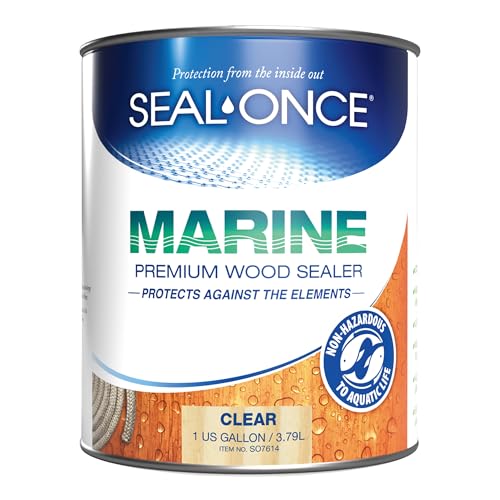

Incorporating furniture made from naturally resistant species, such as teak or cedar, can offer additional peace of mind. These types often withstand the elements better than their less durable counterparts.
Preventing Decay in Outdoor Seating
Applying a high-quality sealant made specifically for exterior surfaces significantly slows down degradation. I opt for a water-repellent product that also offers UV protection, ensuring the surface isn’t damaged by sunlight. Reapplication of the sealant every year helps maintain resistance against moisture.
Choosing the Right Species
Selecting resilient types, like teak, cedar, or redwood, can enhance longevity. These materials possess natural oils that deter rot and insects. I prefer teak for its durability and aesthetic appeal. To extend the life of less durable kinds, a protective finish is essential.
Routine Maintenance
Cleansing surfaces regularly with a mild detergent and water prevents the accumulation of mold and mildew. I dedicate time to scrub thoroughly, especially in crevices. Allowing the furniture to dry completely before storing or covering it is equally important to avoid creating a damp environment that encourages decay.
Choosing the Right Wood Type for Outdoor Furniture
Selecting suitable timber is paramount for longevity in outdoor settings. Here are some recommended species:
- Teak: This tropical hardwood is renowned for its natural oils and resistance to moisture and pests, making it a premier choice.
- Cedar: Its aromatic properties deter insects, and it naturally weathers beautifully over time.
- Redwood: Valued for its durability, it withstands decay and offers an appealing aesthetic.
- Ipe: A dense, long-lasting Brazilian hardwood that requires minimal maintenance and provides excellent resistance against environmental elements.
When considering timber for external applications, understanding durability classifications helps:
- Clear Heartwood: Look for this part of the tree for enhanced resistance and aesthetic quality.
- Treatment: Opt for pressure-treated options if low-maintenance solutions are preferred.
Always assess your regional climate and location for optimal choice. The right selection significantly influences performance and lifespan.
Understanding the Role of Sealants and Stains
Applying high-quality sealants and stains is paramount in mitigating deterioration. These products create a protective barrier against moisture, sunlight, and temperature fluctuations. I recommend looking for sealants that contain water-repellent properties, specifically those labeled for heavy-duty protection. This will prevent water penetration that often leads to decay.
Types of Sealants
Choosing between oil-based and water-based sealants can impact durability and ease of application. Oil-based options penetrate deeper into the fibers, providing superior moisture resistance and longevity. However, they typically have longer drying times and may require more effort to clean up. Water-based sealants dry quickly and are easier to use, but may need more frequent reapplication. I prefer oil-based sealants for harsher climates due to their resilience.
Staining Benefits
Stains do more than enhance appearance; they also offer protection. I’ve found that semi-transparent stains allow the natural grain to show while providing a level of UV protection. This is crucial to preventing fading and ensuring the aesthetic appeal remains for years. Always ensure the surface is clean and dry before application, as any residue can reduce adhesion and effectiveness.
Reapplication schedules should be determined based on exposure and wear. Generally, I consider refreshing sealants and stains every one to three years, depending on the product and environmental conditions. Regular maintenance not only boosts the visual appeal but significantly extends the life expectancy of my outdoor assets.
Implementing Regular Maintenance Routines
Establish a consistent cleaning schedule every few weeks, using a soft brush or cloth to remove dirt and debris that can accumulate over time. This simple step significantly contributes to prolonging the longevity of your exterior constructs.
Inspect components for signs of wear or damage. Look for cracks, splinters, or areas where moisture may be trapped. Addressing these issues promptly prevents more extensive problems later.
Seasonal Checks
During spring and fall, carry out a more detailed assessment. This is the perfect time to clean thoroughly and reapply protective agents if necessary. Guarantee that surfaces are completely dry before any treatment to ensure proper adhesion of products.
| Maintenance Task | Frequency | Tools Needed |
|---|---|---|
| Dusting and cleaning | Every 2 weeks | Soft brush, cloth |
| Inspect for damage | Monthly | None |
| Deep clean and treatment | Seasonal | Wood cleaner, sealant or stain |
Preventing Moisture Accumulation
Ensure that your pieces are placed in a way that allows for adequate drainage and air circulation. Ideally, avoid ground contact and choose surfaces that promote evaporation. Storing items in a covered area during inclement weather also mitigates exposure to the elements.
Identifying Signs of Wood Damage Early
Regularly inspect the structure for any discoloration or soft spots. A change in hue, particularly darkening, often indicates moisture issues. If the surface feels sponge-like or gives way under pressure, it’s a sign of potential degradation.
Common Indicators of Damage
Look for the following signs during inspections:
| Indicator | What It Means |
|---|---|
| Cracking | Drying out, possible splits that can lead to further issues. |
| Warping | Excess moisture absorption causing distortion. |
| Mold or Mildew | Presence of fungi indicating high humidity levels or poor ventilation. |
| Pest Presence | Infestation can hollow out sections, weakening the material. |
| Sawdust Piles | Indication of wood-eating insects actively damaging the surface. |
Immediate Actions
Upon discovering signs of deterioration, take swift action to remedy the situation. Treat any visible mold or mildew with appropriate cleaners and consider professional pest control if infestations are suspected. Reinforce weak areas with suitable fillers or replace compromised parts entirely, ensuring the longer lifespan of your exterior structures.
Protecting Furniture from Moisture and Weather Elements
Utilize a high-quality waterproof cover when the pieces are not in use. This shields surfaces from rain and snow while reducing UV exposure.
Invest in Quality Products
- Select covers made from breathable materials to prevent trapped moisture, which can lead to mold formation.
- Consider silicone sprays or waterproofing agents specifically designed for outdoor usage to further repel water.
Strategic Placement
Position items away from direct moisture sources, such as sprinklers or drainage systems. Elevate seating and tables slightly off the ground to allow for air circulation and reduce moisture retention.
Incorporate awnings or pergolas to provide shade, minimizing direct exposure to rain and harsh sunlight. This not only prolongs the life of the structure but maintains its aesthetic appeal.
Regularly inspect the setup. During seasonal changes, ensure that no debris accumulates, as organic material can hold moisture and lead to quicker degradation.
Using Covers and Storage Solutions during Off-Season
Investing in high-quality covers is a straightforward way to shield your outdoor pieces from moisture, debris, and temperature fluctuations. Make sure the covers are breathable to prevent condensation build-up, which can lead to mold and mildew. Secure the covers tightly to avoid wind damage.
Opt for a Dedicated Storage Space
During colder months, consider moving your items into a sheltered area such as a garage or shed. If space permits, stacking is an option, but ensure there’s adequate padding between the pieces to prevent scratches and dents. Elevate items off the ground to avoid contact with damp surfaces.
Portable Storage Solutions
Utilize portable storage bins for smaller items like cushions and lightweight accessories. These bins can be weather-resistant and easily moved. Label the containers for quick access during the warm season. Implementing these strategies helps maintain the integrity and style of your garden or patio setup.
Repairing and Restoring Weathered Wood Furniture
Begin restoration by assessing the condition of each piece. Look for cracks, splinters, or loose joints. For minor surface damage, sand the affected areas with fine-grit sandpaper to remove imperfections and expose fresh material. A thorough cleaning follows; use a mixture of warm water and mild soap to eliminate dirt and mildew. Ensure the surface dries completely before applying any finishes.
Reinforcing Structural Integrity
If joints are loose, reinf orce them using wood glue or screws as needed. For larger pieces, consider using corner brackets or dowels to strengthen connections. Allow adequate drying time when using adhesives to ensure a durable hold.
Finishing Touches
After repairs, apply a high-quality exterior finish such as a penetrating oil or marine-grade varnish. These products protect against moisture and UV damage. For faded color, use a stain that matches the original hue. Be sure to follow the manufacturer’s instructions regarding application and drying times.


