
 Caleb Turner
Redirecting attention to appropriate chew toys is my first strategy. I ensure that high-quality, enticing toys are readily available. This not only satisfies their urge to gnaw but also prevents boredom. I’ve found rubber toys filled with treats work especially well, keeping them engaged for longer periods.
Training sessions play a crucial role in establishing boundaries. Consistent commands and positive reinforcement help communicate what is acceptable to bite. Every time my pet shows interest in the wrong items, I calmly redirect them to their designated toys while praising them for compliance. This reinforces good behavior.


Regular exercise is non-negotiable. A tired pet is less likely to search for mischief. I allocate time for walks and play sessions, which not only physically exhaust my furry companion but also stimulate their mind. Incorporating interactive games can significantly reduce the temptation to chew on furniture.
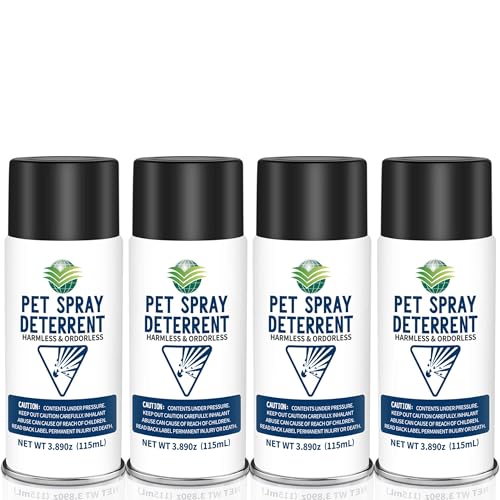
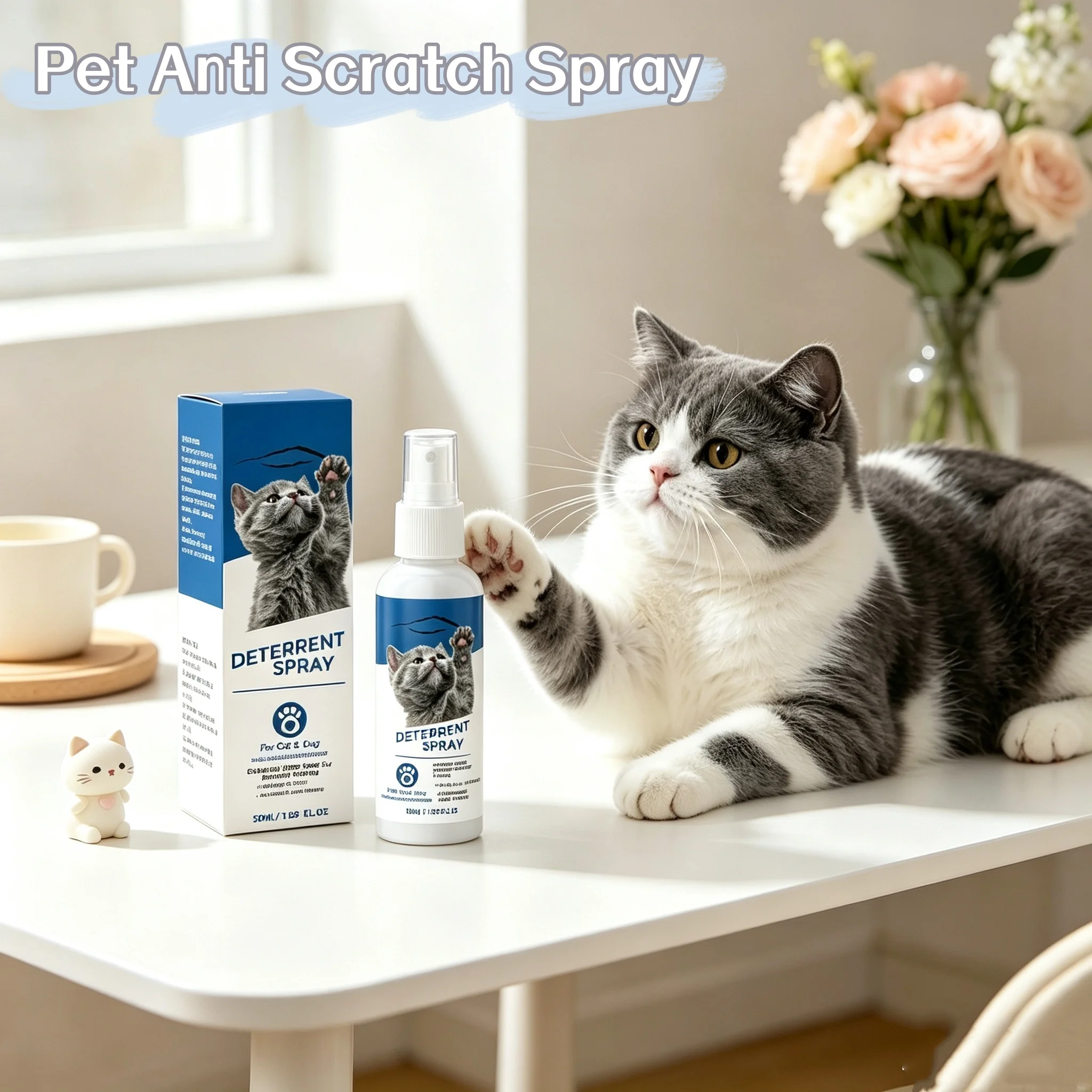
Finally, using deterrent sprays can help discourage unwanted chewing. I apply these on surfaces that are frequently targeted. The unpleasant taste acts as a strong disincentive, steering them away from those areas. Combining these techniques creates a balanced approach to managing this behavior effectively.
Ways to Deter Chewing on Household Items
Introduce durable chew toys to redirect attention. These should be robust, engaging, and appropriate for your pet’s size. Rotate toys regularly to maintain interest.
Implement positive reinforcement techniques. Reward with treats or praise when your furry friend interacts with designated items instead of your belongings.
Apply bitter-tasting sprays on surfaces to discourage gnawing. Ensure the spray is safe for your living environment and check for any adverse reactions.
Establish specific designated chew zones. Provide a comfortable area with chewable items, making it appealing for your pet to stay there rather than wandering around.
| Technique | Description |
|---|---|
| Durable Toys | Sturdy items designed for rigorous chewing, helping to satisfy instincts. |
| Positive Reinforcement | Offering treats or praise when interacting with appropriate items promotes good behavior. |
| Bitter Sprays | Non-toxic solutions that deter interest in specific surfaces. |
| Designated Zones | A specific area equipped with allowed items encourages focusing their energy. |
Increase physical and mental stimulation. Engage in daily walks or playtime to tire out and effectively reduce the urge to chew on prohibited items.
Consider seeking advice from a veterinarian or animal behaviorist if issues persist. Professional insights can identify underlying causes and suggest tailored strategies.
Understanding the Reasons Behind Furniture Biting
Recognizing the motivations for damaging household items is crucial. I often find that anxiety plays a significant role; stress can lead to chewing as a coping mechanism. During thunderstorms or fireworks, I’ve noticed a spike in destructive behavior, indicating a need for reassurance.
Boredom is another factor. Dogs require mental stimulation. When my companion lacks engagement, they tend to explore furniture with their teeth. Incorporating interactive toys or engaging in regular playtime can alleviate this issue.
Teething and Exploration
Puppies frequently chew as a way to soothe their teething discomfort. Providing appropriate chew toys specifically designed for their developmental stage can redirect this natural impulse toward acceptable items. Additionally, older canines may chew to explore their environment or due to habit formed early on.
Attention Seeking
Sometimes, nagging at furniture is a method of drawing my focus. Understanding that they may desire playtime or interaction whenever they exhibit this behavior helps me respond appropriately. Offering alternative activities can shift their attention away from damaging tendencies toward more constructive outlets.
Identifying Appropriate Chew Toys for Your Pup
Choosing the right chew toys can drastically reduce unwanted gnawing on personal belongings. Focus on materials that are durable yet safe, such as rubber or nylon. Soft toys may be appealing but can easily tear, posing a choking hazard.
Size and Shape Considerations
Select toys that are appropriate for your pup’s size. A small toy for a large breed may lead to ingestion risks, while toys designed for larger ones can be cumbersome for smaller canines. Opt for shapes that engage their instincts, such as bones or textured items that encourage chewing.
Interactive and Edible Options
Interactive toys that dispense treats or require problem-solving can keep them busy and distracted. Edible chews made from natural ingredients offer both enjoyment and a tasty reward. Always monitor consumption to prevent overindulgence or digestive issues.
Establishing Training Techniques to Discourage Furniture Biting
Implement consistent commands such as “leave it” or “no.” Reinforce these cues daily through repetition and practice during calm moments. Reward your companion immediately with praise or treats upon compliance, helping them associate desired behaviors with positive outcomes.
Create a Structured Environment
Limit access to areas where unwanted chewing occurs. Use baby gates or close doors to establish boundaries. Additionally, place deterrent sprays on surfaces that attract attention, which can teach aversion to these spots. Ensure that your canine has a designated space equipped with appropriate chew items to redirect their interest effectively.
Incorporate Interactive Playtime
Involve your furry friend in interactive activities that stimulate both mental and physical engagement. Puzzle toys, tug-of-war, or fetch provide an outlet for energy and boredom that can lead to destructive tendencies. Vary the activities regularly to maintain their interest and keep them redirected from inappropriate chewing targets.
Stay patient and consistent throughout the training process. Noticing gradual improvements can motivate both you and your pet to build a stronger relationship while minimizing damage to your belongings.
Creating a Comfortable and Engaging Environment
Provide a designated space where your canine companion can feel secure. Use a cozy bed or a crate that’s outfitted with familiar blankets and toys. This area should be free from disturbances and should serve as their personal sanctuary.
Incorporate interactive elements within your home. Puzzle toys and treat-dispensing gadgets engage the mind and keep them entertained. These toys can significantly reduce the urge to gnaw on household items.
Ensure regular physical activity. Taking walks or engaging in games like fetch decreases pent-up energy. A well-exercised pup is less likely to seek entertainment through destructive habits.
Rotate toys to maintain interest. Introducing new items every few weeks can stimulate curiosity and encourage play rather than mischief.
Consider engaging in canine sports or classes. Activities like agility training or obedience classes not only provide mental stimulation but also strengthen the bond between you two.
Lastly, reduce stressors in the environment. Loud noises or chaotic situations can lead to anxiety, pushing your pet toward destructive behaviors. Create a calm atmosphere through soothing music or by limiting exposure to stressful stimuli.
Using Deterrent Sprays on Furniture
Incorporating deterrent sprays into my training regimen has proven to be an effective strategy. These products create an unpleasant taste, discouraging my pet from gnawing on surfaces. It’s vital to select a spray that is safe and non-toxic, ensuring it won’t harm my animal while deterring undesirable behavior.
Choosing the Right Deterrent Spray
- Look for natural ingredients to avoid any adverse reactions.
- Test the spray in an inconspicuous area to ensure it won’t damage the finish.
- Read reviews and seek recommendations from fellow pet owners to find reliable brands.
Application Tips
- Apply consistently to affected areas, allowing it to dry completely before allowing access.
- Consider reapplication based on the frequency of contact.
- Monitor my pet’s response to the spray and adjust as needed.
Integrating deterrent sprays alongside positive reinforcement techniques helps reinforce boundaries, guiding my pet to more appropriate chewing options. By being consistent and proactive, I’m fostering a more positive environment for both of us.
Implementing a Consistent Routine for Your Dog
Establishing a daily schedule can significantly reduce unwanted chewing activity. I allocate specific times for feeding, walks, play, and training sessions, which helps create predictability for my pup.
During our daily walks, I ensure to include a variety of engaging activities, like fetch or scent games, to stimulate mental and physical capabilities. Incorporating training exercises during these outings reinforces desired behaviors.
I set aside time twice daily for interactive play with approved chew toys. This serves not only as an outlet for energy but also reinforces the appropriate items for chewing. My routine includes consistent praise and treats when my pet uses the correct items, strengthening positive habits.
Nightly calm-down rituals help signal the end of the day. Activities like gentle brushing, a quiet cuddle session, or short training drills foster relaxation and improve bonding, reducing restlessness that may lead to destructive behavior.
Regularly monitoring my furry friend’s behavior during these routine activities allows me to adjust the schedule as needed, ensuring that it meets their energy levels and behavioral needs while reinforcing a positive framework for daily life.
Monitoring Behavioral Changes and Triggers
Observe your pet closely for signs of anxiety, boredom, or stress, which may lead to destructive actions. Keeping a journal can help track behaviors and potential triggers. Here are key steps to pinpoint influences:
- Identify specific times when destructive habits occur. Is it during your absence or at certain hours?
- Watch for environmental changes. New furniture, moving, or even changes in routine could provoke reactions.
- Pay attention to interactions. Newly introduced pets or guests may affect your companion’s mood.
- Evaluate their physical and mental health. Veterinary check-ups can rule out underlying issues that might incite mischief.
Common Triggers to Monitor
Focus on situations that consistently lead to unwanted chewing. Some examples include:
- Separation anxiety: Excessive barking or destruction when left alone.
- Insufficient exercise: An energetic furry friend may need more playtime.
- Loneliness: Prolonged periods without companionship can lead to boredom.
- Stressful events: Loud noises, such as thunder or fireworks, may prompt anxious behaviors.
By maintaining awareness of these factors, adjustments to your pet’s environment or routine can effectively reduce unwanted chewing habits. Consider employing additional strategies to enhance engagement and comfort during triggering situations.
Seeking Professional Help When Necessary
Consulting with a veterinarian or animal behaviorist is crucial if conventional methods fail. These experts can assess underlying medical issues or behavioral disorders. They may suggest a tailored training program or appropriate interventions for persistent challenges.
Choosing the Right Specialist
Look for professionals with experience in canine behavior. Verify their credentials and read reviews from previous clients. Recommendations from trusted sources can also guide you to reliable experts. An effective trainer should focus on positive reinforcement techniques, ensuring a supportive approach to behavior modification.
Follow-Up and Progress Monitoring
After seeking guidance, regular follow-ups are essential to assess progress. This allows adjustments to the training plan based on your companion’s response to various strategies. Keeping detailed notes on behaviors can aid in discussions with the specialist, ensuring every session is productive.


