
 Caleb Turner
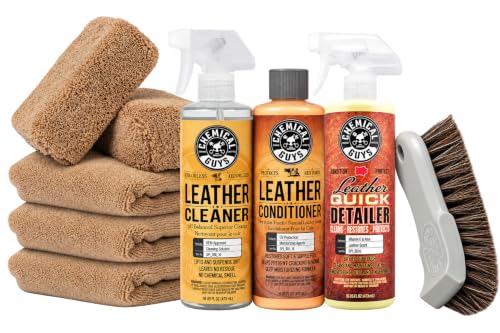
Regular application of a high-quality conditioner serves to nourish the material and create a protective barrier. This simple step significantly reduces the likelihood of cracking and flaking, ensuring your piece remains visually appealing and functional.
Maintaining optimal humidity levels in your space can dramatically influence the integrity of your seating. A humidity range of 40-60% is ideal; consider using a humidifier during dry months to counteract the adverse effects of excessive dryness.
Promptly addressing spills and stains is essential. Blotting, rather than wiping, prevents the liquid from penetrating deeply. After treating any spots, a thorough follow-up with a conditioner enhances protection and restores moisture balance.


Positioning away from direct sunlight is crucial. Ultraviolet rays can accelerate deterioration, so utilizing curtains or blinds helps shield your investment. Additionally, rotating cushions and pillows periodically can ensure even wear across all surfaces.
Ways to Prevent Surface Damage
Avoid direct sunlight exposure. Prolonged sunlight can lead to fading and deterioration of the material. Use window treatments or place your items away from direct light.
Moisturize Regularly
Applying a suitable conditioner every 3-6 months is vital. Choose products specifically formulated for the material to maintain moisture balance and prevent drying. This process replenishes natural oils, keeping the texture intact.
Clean with Care
Use a damp cloth to wipe down surfaces weekly. Avoid harsh chemicals that can strip essential oils. Opt for a gentle soap solution and make sure to dry thoroughly after cleaning to prevent moisture accumulation.
Consider using protective covers when not in use. This provides an additional layer of defense against dust and potential scratches, preserving the integrity of the material.
Choosing the Right Leather for Durability
Opt for full-grain leather. This type retains the natural texture and strength of the hide. It showcases authentic scars and markings, which contribute to its character while offering superior durability.
Consider selecting top-grain leather. Slightly sanded and treated, it is more resistant to stains and wears, making it a practical choice for high-traffic areas.
Understanding Leather Types
Analyze the differences between various types, such as corrected grain, which has an artificial finish. While it may appear more uniform, this often leads to quicker deterioration.
Vegetable-tanned leather provides a natural, eco-friendly option with excellent aging properties. Its durability comes at the cost of higher maintenance, but the richness it develops over time is unmatched.
Leather Quality Indicators
Inspect the thickness of the material. Thicker hides generally offer greater durability, while thinner variants may be prone to damage.
Pay attention to the stitching quality. Double-stitched seams indicate strength, while single stitches can lead to quicker wear.
Regular Cleaning Techniques for Leather Upholstery
To maintain quality and appearance, it’s crucial to implement systematic maintenance. I recommend using a soft, damp cloth for routine dusting to prevent dirt accumulation. This simple step can help in maintaining the surface integrity over time.
For deeper cleaning, consider the following approach:
- Mix a solution of equal parts water and white vinegar.
- Dampen a cloth with this mixture, ensuring it’s not soaking wet.
- Wipe the surface gently, focusing on areas with noticeable stains or dirt.
- Follow up with a clean, dry cloth to remove any excess moisture.
Using a specialized leather cleaner is advisable every few months. Look for pH-balanced formulas that won’t strip the surface. Apply according to the manufacturer’s instructions for best results.
Moisturizing the material is equally important. Invest in a quality conditioner, applying it sparingly after cleaning. This replenishes oils that keep the texture supple and prevents premature deterioration.
Finally, avoid exposing the surfaces to direct sunlight and heat sources. This preventive measure will protect against drying and cracking. Keeping humidity levels stable in the environment also contributes significantly to longevity.
Applying Conditioners to Maintain Leather Integrity
I recommend selecting a high-quality conditioner specifically formulated for the type of material I am maintaining. This ensures that the product penetrates effectively and nourishes the fibers, preventing dryness and cracking. I apply the conditioner every six months or more frequently in dry climates. Before application, I clean the surface with a damp cloth to remove dust and debris.
Application Technique
To apply the conditioner, I use a soft, clean cloth or a sponge. I pour a small amount onto the cloth and gently rub it into the surface in circular motions. Concentrating on seams and areas that experience more wear helps in keeping the texture consistent. After application, I allow it to absorb for at least 15 minutes, followed by buffing the surface with a dry cloth to achieve a polished finish.
Choosing the Right Product
When selecting a conditioner, I always check its ingredients. Natural oils and waxes are preferable, as they provide moisture without damaging. Avoid products with harsh chemicals or alcohol, as they can strip the natural oils and compromise the material’s quality. Reading reviews and recommendations further guides me in making an informed choice.
Controlling Humidity and Temperature for Leather Care
Maintain an indoor environment between 40-60% humidity and 65-75°F (18-24°C) for optimal preservation of your upholstery. This range prevents both drying out and excessive moisture, which can lead to damage.
Employ a Humidifier or Dehumidifier
If the atmosphere is particularly dry, utilize a humidifier to add moisture. Conversely, in humid conditions, a dehumidifier can help regulate the dampness in the air. Regularly monitor humidity levels with a hygrometer to ensure they remain within the recommended range.
Minimize Sun Exposure
Position away from direct sunlight to prevent rapid temperature fluctuations and drying. Use curtains or blinds to shield your investment from harmful UV rays. Consider protective covers for extended periods of non-use.
Identifying and Repairing Early Signs of Peeling
Regular inspection is key to spotting preliminary signs of deterioration. Look for small cracks, beginning to fray edges, or discoloration as indicators that treatment is necessary.
Recognizing Common Indicators
- Surface texture changes, such as increased roughness.
- Loss of luster or shine in specific areas, indicating possible dryness.
- Visible wear patterns, especially in high-traffic sections.
- Flaking or small pieces of material detaching.
Effective Repair Techniques
Upon identifying these issues, immediate action is essential:
- Clean the Area: Use a specialized cleaner to remove dirt and oils. This prepares the surface for effective repair.
- Apply a Repair Compound: For minor damage, a leather repair kit can work wonders. Follow the guidelines precisely, ensuring the mixture matches the original appearance.
- Use a Conditioner: After a repair, treat the area with a quality conditioner. This replenishes moisture and enhances durability.
- Maintain Consistent Care: Regularly inspect repaired areas and apply conditioner throughout the year to prevent reoccurrence.
By addressing these issues promptly, the lifespan of your upholstery can be significantly extended, ensuring that it remains an attractive part of your interior.
Best Practices for Protecting Leather from Direct Sunlight
Cover or drape items with fabric or protective covers to block sunlight during the day. This simple measure prevents harmful rays from causing discoloration and deterioration.
Place your upholstery away from windows or use window films to deflect UV rays. Sheer curtains or blinds can provide additional shielding while allowing natural light into the room.
Regularly rotate seating arrangements and accessories to ensure even exposure to light. Shifting arrangements helps minimize uneven fading.
Utilize UV-protective sprays designed for high-quality leather to enhance its resistance against sunlight damage. Apply these treatments according to manufacturer instructions for best results.
| Protection Method | Description |
|---|---|
| Fabric Covers | Lightweight materials shield surfaces from direct rays during peak sunlight hours. |
| Window Films | Applied on glass surfaces, reducing UV exposure without sacrificing light. |
| Sheer Curtains | Allow light while diffusing intensity, serving as a barrier against harmful rays. |
| UV-Protective Sprays | Specialized treatments enhance protection, maintaining integrity and color. |
Implementing these strategies ensures that your investment remains in excellent condition for years to come.
FAQ:
What are the main causes of peeling in leather furniture?
Peeling in leather furniture is primarily caused by a lack of moisture in the material, inadequate care, and exposure to harsh environmental conditions. Over time, leather can dry out and lose its natural oils, leading to cracks and eventual peeling. Additionally, furniture that is placed in direct sunlight or near heat sources can suffer from accelerated damage. Regular maintenance, including moisturizing treatments and avoiding extreme temperatures, can help prevent these issues.
How can I prevent my leather furniture from peeling?
To prevent peeling, it is important to maintain the leather’s moisture levels and protect it from damage. Regular conditioning with a leather conditioner can help keep the material supple. Avoid exposing the furniture to direct sunlight, and keep it away from heating vents or radiators. Make sure to clean spills immediately with a soft, damp cloth and avoid using harsh chemicals that can strip away the leather’s natural oils. Creating a consistent cleaning and conditioning schedule will go a long way in preserving your leather furniture.
What should I do if my leather furniture has already started to peel?
If you notice peeling on your leather furniture, the first step is to assess the extent of the damage. For small areas, you might be able to carefully trim away the loose pieces with scissors. After that, cleaning the area and applying a leather conditioner can help improve its appearance. In more severe cases, a professional repair may be necessary, as they can re-dye or patch the damaged sections to restore the leather’s look and feel.
Are there specific products recommended for maintaining leather furniture?
Yes, there are many products available specifically designed for leather care. Look for a high-quality leather conditioner that contains natural oils to keep the material hydrated. Additionally, using a gentle leather cleaner can help remove dirt and stains without damaging the surface. It’s best to avoid all-purpose cleaners or those containing alcohol or solvents, as these can harm the leather. Always test any new product on a small, inconspicuous area first to ensure compatibility.


