
 Caleb Turner

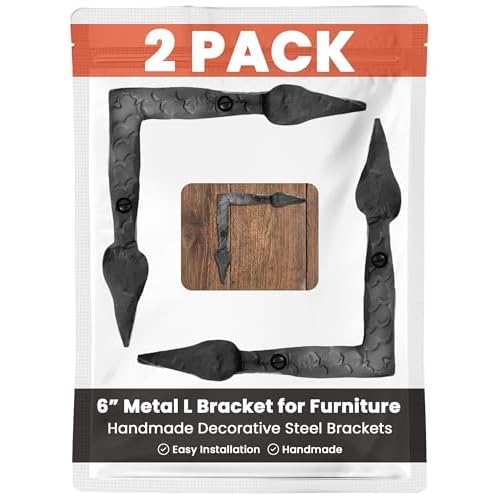
Securing large pieces can be accomplished effectively with L-brackets, which are strong and simple to install. Attach these brackets to the back of tall cabinets and bookshelves, anchoring them to the wall for added stability.
Consider using anti-tip devices for added security. These products typically consist of a strap or chain that can be fastened to both the item and the wall, providing a safeguard against accidental shifts.


For heavier objects, distribute weight evenly across shelves. By placing lighter items on top and more substantial ones at the bottom, the center of gravity shifts downward, reducing the risk of toppling.
Regularly inspect your surroundings. Ensure that the floor is free of clutter and maintain a clean space to minimize the chances of tripping or causing instability to your belongings.
Finally, educate family members, especially children, about safe play areas. Creating boundaries around vulnerable items can prevent inadvertent accidents and ensure the longevity of your cherished possessions.
Strategies for Preventing Furniture from Falling
Securing heavy items against walls provides stability. Use L-brackets and wall anchors for shelves and tall cabinets. This method keeps items from shifting and falling during movement or disturbances.
Weight Distribution
Balancing the load is paramount. Place heavier objects at the bottom of bookshelves or dressers. This significantly lowers the center of gravity, ensuring the structure remains intact.
Non-slip Mats and Adhesives
- Utilize rubber mats under items like bookcases or entertainment units to increase friction.
- Consider applying museum putty or adhesive strips to the bottoms of smaller pieces, anchoring them to surfaces.
Regularly check for wear and tear on mounting hardware. Tighten any loose screws or bolts to maintain stability over time.
Assessing the Stability of Your Furniture
Begin by examining the legs of each piece. Ensure all are level; a short leg can lead to imbalance. Use a leveling tool to check for discrepancies, adjusting as necessary with pads or shims.
Next, gauge weight distribution. Placing heavier items on lower shelves provides a stronger foundation, reducing the risk of toppling. Keep lighter objects higher to minimize the chance of unbalance.
Check the overall design. Wider bases inherently offer more support. If applicable, anchor tall bookshelves or cabinets to the wall, using brackets designed for this purpose.
Assess the environment. Avoid placing items on slippery surfaces, and ensure adequate space around each piece. A crowded area increases the likelihood of accidental nudges leading to instability.
Inspect the assembly. Loose screws or joints can diminish structure strength. Regularly tighten any connections to maintain integrity and prevent wobbling.
Consider the material. Solid wood typically provides more stability than particle board. If purchasing new items, prioritize solid construction for added reliability.
Securing Heavy Items on Shelves
For optimal safety, place the most substantial items on lower shelves, ensuring they are firmly positioned and not at risk of falling. Use shelf brackets or anchors to attach unstable units to the wall, providing additional support.
Utilizing Anti-Tip Kits
Anti-tip kits, widely available in hardware stores, are an effective solution. These kits typically include safety straps that fasten heavy objects, minimizing movement during vibrations or disturbances.
Organizing Shelves Strategically
Arrange heavier items together, avoiding excessive stacking. This balance ensures stability while allowing easy access. Consider using non-slip mats or liners to prevent sliding, contributing to a more secure setup.
Choosing the Right Anchoring Methods
Utilizing wall anchors is a straightforward solution for stability. I prefer metal or plastic toggle bolts for heavier pieces, ensuring a sturdy hold. For lighter items, basic drywall anchors are sufficient, though I always verify their weight capacity before use.
Straps are another effective method. I commonly opt for L-brackets or anti-tip straps that connect the item to a wall or adjacent surface, providing additional security. Adjustable designs allow for a snug fit, accommodating various furniture shapes.
Incorporating adhesive solutions, such as museum putty, is valuable for securing smaller items on shelves. This non-damaging option aids in preventing movement without permanent alteration. I apply a small amount beneath decorative pieces for peace of mind.
Leveraging furniture weights ensures added stability. I fill low shelves or the base of cabinetry with heavier items to lower the center of gravity, providing balance as a proactive measure against accidents.
Lastly, my preference for furniture with built-in anchoring systems simplifies the process significantly. When shopping for new pieces, I always look for options that include this feature, as they often come with installation hardware and guidelines for proper attachment.
Utilizing Anti-Tip Furniture Straps
For optimal security, I recommend attaching anti-tip straps to tall bookcases, cabinets, and dressers. These straps fasten the upper part of the unit to the wall, significantly increasing stability. Choose high-quality, durable materials designed to withstand substantial force.
Installation is straightforward: locate a wall stud using a stud finder, then secure one end of the strap to the furniture and the other end to the wall. Consider placing the straps at different points on the unit for maximum support. I usually install at least two straps for larger pieces to ensure even distribution of force.
Regularly check the tightness of the straps as part of maintenance. Loose straps can compromise safety, so re-tightening them periodically is a simple precaution. Additionally, I find that using a level while installing helps ensure the unit remains perfectly vertical, further enhancing its resistance to falling.
In rooms with children or pets, these straps act as a reliable safeguard. When selecting models, look for ones that come with safety features, such as quick-release mechanisms, which facilitate easy relocation without compromising on security. Keeping both style and safety in mind is achievable with various strap designs available today.
Arranging Furniture for Optimal Balance
Position larger pieces against walls to enhance stability. Utilize corner spaces for bookshelves or cabinets, as they provide additional support. Balance heavier items in lower drawers or compartments to reduce the center of gravity.
When arranging seating, ensure that chairs and sofas are evenly distributed in relation to each other. This avoids uneven loads that could lead to instability. A symmetrical layout often aids in creating a visually balanced environment.
Consider the layout in terms of commonly used pathways. Minimize the distance between frequently accessed items and their storage to reduce the risk of unintentional shifts during use.
If incorporating decorative elements, opt for lighter accessories positioned higher up, leaving the base for sturdier structures. This helps prevent accidental tipping from the top down.
Regularly reassess the arrangement as new pieces are introduced. Occasionally shifting items can uncover unexpected imbalances that need addressing. Prioritize maintaining an evenly distributed weight across the space.
Adjusting Feet and Leveling Uneven Surfaces
I always begin by examining the surface where the item rests. Uneven flooring can lead to instability. To counter this, I utilize adjustable feet on stools and tables. This allows me to raise or lower specific corners, ensuring a stable position.
If adjustable feet aren’t available, I create basic shims from cardboard or wood. These can be placed under the legs to correct height discrepancies. When using shims, I cut them to precise dimensions for a snug fit, which prevents movement.
| Type of Surface | Recommended Action |
|---|---|
| Concrete | Use shims to level and stabilize. |
| Wooden Floors | Adjust with leveling feet or add felt pads beneath legs. |
| Carpet | Ensure legs are properly sunk in; use wider feet to distribute weight. |
| Tile | Adjust ports or add rubber pads for traction. |
After adjustments, I recheck the stability by applying gentle pressure to test movement. This ensures the setup remains balanced over time. Regular checks are necessary, especially after moving or rearranging items. Leveling makes a significant difference in preventing accidents and ensuring safety.
Educating Children About Furniture Safety
Teach kids to recognize potential hazards. Use daily routines, like tidying their rooms, to incorporate lessons about stability. Encourage them to avoid climbing on unsteady surfaces or using furniture as a makeshift playground.
Engage with Practical Demonstrations
Set up safe activities that involve exploring balance. Stack cushions or boxes and let them experiment with how weight distribution affects stability.
- Allow them to see how a stable item feels compared to an unstable one.
- Explain why larger, heavier objects shouldn’t be placed on top of smaller, lighter ones.
- Encourage discussions about what happens when items are misaligned or improperly placed.
Instilling Awareness Through Role-Playing
Create scenarios where children act out different safety situations. Assign roles like a designer or safety inspector, allowing them to critique setups and identify risks.
- Role-play ‘the inspector’ who checks if the bookshelves are anchored correctly.
- Discuss why it’s bad to hang on to drawers or open cabinets without supervision.
Use stories or books that highlight safety. This approach helps reinforce the lessons in a child-friendly context, solidifying the importance of awareness around their environment.
Regular Maintenance Checks for Stability
Conduct visual inspections on a monthly basis to identify potential hazards. Look for loose screws, bolts, or fastenings that may have come undone. Tighten and secure these elements promptly to prevent instability.
Check the condition of anti-tip straps regularly. Ensure they are firmly attached and not frayed. Replace any damaged straps immediately to maintain safety.
Evaluate the weight distribution on shelves and cabinets. Rearranging items to lower the center of gravity can significantly enhance stability. Keep heavier items on lower shelves and lighter ones towards the top.
Test the level of surfaces beneath pieces. Use a level tool to determine if adjustments are necessary. If uneven, consider using shims or adjusting legs to ensure a level base.
Annually assess all larger pieces for any signs of wear or damage that could contribute to potential hazards. If structural issues are found, consult a professional for repairs.
Document your inspections and maintenance actions. Keeping a checklist can help track any recurring issues and ensure nothing is overlooked.


