Caleb Turner
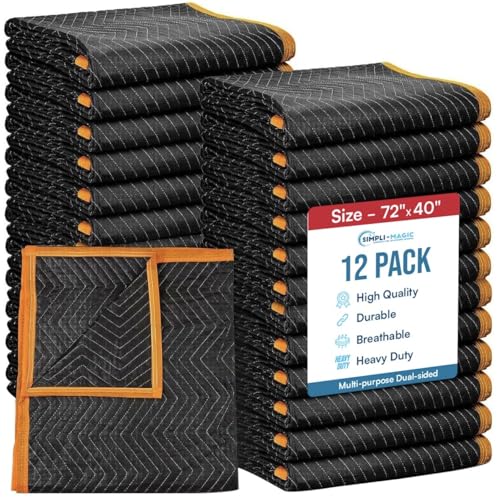
Utilizing weighted straps is the most practical approach to prevent outdoor protection from being dislodged by strong winds. Sturdy, adjustable straps can be attached to the corners of each protective piece, anchoring it securely to the ground or the furniture itself.
In addition, consider using ground stakes specifically designed for this purpose. Insertable into the soil, these stakes create an additional hold, ensuring that the protective cover remains in place even during gusty conditions.


Another effective method involves opting for protective material with a snug fit. Covers that are tailored to conform closely to the shapes of your items will greatly reduce the likelihood of them being swept away. Look for options with elastic hems for a better grip.
Preventing Garden Outfit Shield from Being Displaced
Utilize weighted objects, such as patio stones or sandbags, around the edges of the shield. This adds stability and minimizes movement during gusts.
Opt for products with adjustable straps designed for securing the shield firmly in place. These features are instrumental in combating brisk winds.
Consider investing in a specially designed storage bag that can be filled with heavy materials. This adds an extra layer of protection against displacement.
Position outdoor seating in such a way that walls or privacy screens offer a natural barrier, shielding the cover from direct exposure to high winds.
Incorporate clips or hooks that attach the shield to the structure, ensuring it remains anchored even in inclement weather.
Regularly inspect the shield for wear and tear, replacing it when necessary to maintain optimal performance in adverse conditions.
During periods of severe weather, opt to remove the shield entirely, reducing the risk of damage from high winds.
Assessing Your Garden Furniture and Cover Size
First, I measure the dimensions of my seating and tables. For optimal fit, I take note of the length, width, and height. Ensuring accuracy is key; using a flexible tape helps capture curved edges or unique shapes.
Choosing the Right Dimensions
I opt for protective material that is slightly larger than the actual measurement. This allows for ease of placement and prevents tension when securing it. Extra fabric accommodates wind passage, reducing stress on seams.
Material Compatibility
I consider the fabric type as well. Lightweight options may lift easily, while heavier materials provide stability. Waterproof and UV-resistant textiles prolong the lifespan, offering additional defense against sun and moisture.
Choosing the Right Material for Stability
For optimal resistance against gusts, I recommend selecting materials designed for durability and weight. My top choices include heavy-duty polyester, vinyl, and canvas, as each has its own benefits. Polyester’s lightweight yet strong nature makes it a practical option while providing water resistance. Vinyl, though slightly heavier, offers superior waterproofing and UV protection, ensuring longevity under sun exposure. Canvas stands as a breathable yet sturdy choice, often reinforced for added durability.
| Material | Weight | Water Resistance | UV Protection | Durability |
|---|---|---|---|---|
| Heavy-duty Polyester | Lightweight | Moderate | Good | High |
| Vinyl | Medium | Excellent | Very Good | High |
| Canvas | Heavy | Good | Moderate | Very High |
To enhance the security of any selected material, I suggest incorporating weighted hems or straps designed to anchor them in place. Consider using Velcro straps or snap closures that tightly secure the product against winds. My experience shows that reinforced stitching around critical stress points significantly improves resilience against tearing, especially in extreme conditions.
Utilizing Weights to Secure Your Cover
I recommend incorporating weights to anchor your protective layer effectively. Options include specially designed cover weights or even DIY solutions like using bags filled with sand or gravel. The placement of these weights matters; ensuring they are evenly distributed across the perimeter will provide better stability and minimize movement during strong gusts.
For a more permanent solution, consider attaching weight plates or pavers directly to the cover’s edges. These materials should be weather-resistant to avoid rust or damage over time. Additionally, using strips of velcro or elastic ropes can secure the weights tightly, further reducing the chances of any displacement.
Regularly checking the condition of the weights and securing mechanisms is vital. This not only maintains their effectiveness but also prolongs the lifespan of your protective layer. If you notice any wear or tear, addressing it promptly will ensure long-term protection for your outdoor settings.
Installing Tie-Downs or Straps for Extra Security
For optimal stability, I recommend installing tie-downs or straps to secure your protective layers. These additions provide a reliable solution against gusts.
Follow these guidelines for effective installation:
- Choose durable materials for straps, like polyester or nylon, which resist fraying and wear.
- Ensure proper length; adjust the straps to fit snugly without too much slack, which could lead to movement.
- Use anchor points such as stakes or weights; these will hold the straps firmly in place.
For a sturdy grip, consider:
- Quick-release buckles for ease of use, allowing for swift adjustments during weather changes.
- Ratcheting systems for added tension and security, preventing loose coverage.
- Email or lockable clips for a more permanent solution.
Test the setup on windy days to ensure reliability. Adjust tension as needed to maintain stability over time.
Positioning Your Furniture Strategically in the Garden
Choose locations that offer natural windbreaks, such as walls, hedges, or other structures. This reduces exposure to strong gusts that can lift protective tarps. I usually place items directly against a fence or tall plant to utilize their shielding effects.
Ensure that the orientation of the items faces away from prevailing winds. Adjusting angles can significantly lower the likelihood of displacement from air currents. For instance, I often angle the seat backs toward the wind direction.
Utilize the layout of your space effectively. Cluster pieces close to each other. This not only creates a visually pleasing arrangement but also helps minimize the surface area exposed to the elements. I group seating arrangements tightly together to enhance stability.
Regularly assess the surroundings for any new developments that might affect airflow. For example, newly grown trees or shrubs can create unexpected drafts or protection. I monitor changes and reposition items as necessary.
Consider moving pieces indoors during extreme weather forecasts. Storing them prevents potential damage and loss. I typically have a designated storage area that facilitates easy relocation.
Assess the ground level where these items sit. Uneven surfaces can create instability. Leveling the area or using stabilizing blocks aids in preventing unwanted movement caused by wind or rain.
Regular Maintenance and Inspection of Covers
I routinely check and clean the protective sheaths to prolong their lifespan. Accumulated dirt and debris can lead to material degradation, so I make it a point to wipe them down with a mild soap solution and water. This simple step prevents mold and mildew, which can weaken the fabric.
I inspect the seams and fastenings for any signs of wear. Any fraying or damage is addressed immediately to avoid further deterioration. If I notice any weak spots, I make repairs with appropriate stitching or replacements to maintain functionality.
Seasonal assessments are also crucial. Before the onset of extreme weather, I ensure that every item is fitted properly and secured firmly. Checking for tightness and fit helps to eliminate any slack that could be compromised by heavy winds or rain.
I also evaluate the storage conditions. Keeping the protective layers in a dry, shaded area when not in use helps prevent unnecessary exposure to UV rays, which can fade colors and weaken materials over time. Keeping them neatly folded and stored in a dry place aids in maintaining their integrity.
Regular inspections not only enhance durability but also ensure that they remain effective in shielding my outdoor items from the elements.
Creating Windbreaks Around Your Garden Area
Utilize shrubs and hedges to form a natural barrier that helps shield outdoor seating from strong gusts. Select dense, evergreen varieties for year-round protection. Position these plants strategically to block prevailing winds, effectively reducing turbulence in the immediate vicinity.
Incorporate fences or trellises adorned with climbing plants as additional windbreaks. Constructing a low fence can redirect airflow while providing support for vines. This method enhances aesthetics and creates a sheltering microclimate.
Consider installing outdoor curtains or privacy screens to offer flexibility. These can be adjusted based on weather conditions and personal preferences. Choose materials that withstand moisture and UV exposure for longevity.
Finally, assess the overall layout of your area. Create pockets of shelter using various elements such as large planters, outdoor sculptures, or decorative rock formations. These not only enhance the allure of the space but also serve a practical purpose by decreasing wind speeds around your seating zone.
FAQ:
What are some practical ways to prevent garden furniture covers from blowing away?
There are several strategies you can use to secure your garden furniture covers. Firstly, consider using weighted objects like bricks or stones on the edges of the covers. Additionally, you can invest in covers with built-in straps and buckles that can be fastened around the furniture. Another option is to use clamps or weights specifically designed for outdoor furniture covers. Finally, securing your furniture in a sheltered area can also minimize wind exposure.
What types of materials are best for garden furniture covers to withstand windy conditions?
When selecting covers for garden furniture, look for materials that are durable and resistant to wind. Heavy-duty polyethylene or vinyl is often used, as they provide good protection and can endure strong winds. Additionally, fabrics with reinforced stitching will help ensure that the covers remain intact in gusty conditions. UV-resistant materials are also advisable to prevent fading and wear from sun exposure.
Can I make my own solutions to keep furniture covers from blowing away?
Yes, there are several DIY methods you can use to keep your furniture covers secure. One option is to sew pockets into the edges of the covers and fill them with sand or gravel. You can also attach Velcro strips to both the furniture and the underside of the cover, creating a tight seal. Another simple method is to use bungee cords to tie the covers down to the furniture, ensuring they stay in place even during high winds.
How do I know if my garden covers are secure enough?
To assess the security of your garden covers, check that they fit snugly over the furniture without excessive slack. During windy conditions, observe if the covers stay in place or if they frequently shift or lift. A good indication of a secure cover is if it remains intact and doesn’t expose the furniture beneath. You can also perform a tug test—gently pull on the cover to see if it stays anchored. If it lifts easily, additional measures may be needed.
Are there specific types of furniture that require different types of covers for protection?
Yes, various types of garden furniture may require specific considerations when it comes to covers. For instance, lightweight furniture may need more secure coverings due to their susceptibility to being blown away. On the other hand, heavier pieces like metal tables or chairs might be less prone to moving. Additionally, furniture with unique shapes or sizes may benefit from custom covers for a better fit. It’s essential to choose covers that adequately accommodate the style and weight of your furniture for optimal protection.