
 Caleb Turner
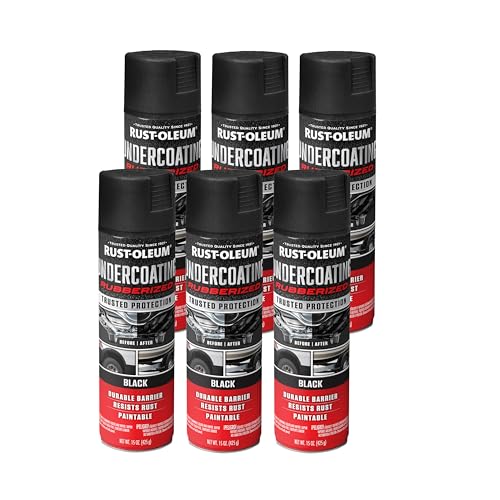
Applying adhesive rubber pads to the base of each piece can significantly enhance grip. These pads create friction that limits unwanted movement while preserving the aesthetics of your spaces. Opt for thicker options for larger items to provide additional stability.
Installing area rugs under key pieces not only adds a decorative element but also assists in maintaining position. Choose materials with a non-slip backing to further enhance effectiveness, ensuring that the rug stays securely in place while offering cushioning and traction.


For heavier items, consider using furniture coasters that distribute weight evenly and minimize sliding. This solution not only aids in stability but also protects the surface beneath from scratches and wear, prolonging its lifespan.
Additionally, frequently checking the alignment of your pieces can help in early detection of any shifting. Adjusting them back into place before significant movement occurs saves you from potential damage and keeps your environment organized and visually appealing.
Choosing the right furniture pads for your floors
To ensure stability, I opt for felt pads with adhesive backing for items that are frequently moved. These provide a soft barrier that protects against scratches while offering traction.
For heavier items, I choose rubber or silicone pads. These materials grip surfaces effectively, preventing unintended movement and minimizing wear on both the pad and the underlying surface.
Use thicker pads if my furniture has legs that are narrower than average. This helps distribute weight evenly and adds another layer of grip.
For outdoor usage on patio furniture, I select weather-resistant options to avoid degradation from moisture or UV exposure. This keeps everything secure and looking good over time.
Additionally, I’m mindful of the pad’s size. A slightly larger pad extends coverage and offers better protection against slipping, especially on uneven surfaces.
Lastly, regular inspection is key. I replace worn-out pads promptly to maintain effectiveness and safeguard the integrity of my floors.
Applying Non-Slip Coatings to Furniture Legs
For an instant solution, I recommend non-slip coatings specifically designed for application on the legs of items. These coatings provide a durable texture that enhances grip with surfaces, reducing movement significantly.
Types of Non-Slip Coatings
Several options exist, including rubberized spray coatings and liquid rubber solutions. I prefer rubberized sprays as they dry quickly and form a strong bond on various materials, offering a non-invasive option without altering the appearance of the legs.
Application Process
Begin by thoroughly cleaning the leg surfaces to remove any dust or oils. Once dry, apply the selected coating in thin, even layers, allowing adequate drying time between coats for optimal performance. Multiple layers can enhance gripping capabilities. Always follow the manufacturer’s instructions for best results.
By utilizing these coatings, I have seen a drastic reduction in shifts and scratches on my surfaces, making my living spaces safer and more aesthetically pleasing.
Exploring Rubber and Silicone Options for Traction
Rubber and silicone products can provide significant grip for pieces resting on polished surfaces. I recommend considering these materials due to their unique properties that enhance stability.
- Rubber Pads: These pads are available in various thicknesses and sizes. Look for industrial-grade rubber to ensure durability and support. They maintain a solid hold while protecting the surface beneath.
- Silicone Discs: Thin silicone discs are non-marking and can be added to the legs of items. Their flexibility allows them to conform to uneven surfaces, increasing contact area and resistance to movement.
- Adhesive Strips: Choosing self-adhesive rubber or silicone strips can provide a customizable solution. I often apply them to the base of furniture legs for tailored traction.
- Furniture Grippers: Specialized grippers made from either rubber or silicone can be placed under heavier items. They often come in various shapes to accommodate different leg types.
Testing these options can lead to finding the right balance between aesthetics and functionality. Regular checks ensure that the pads remain intact and effective over time.
Using Area Rugs to Stabilize Furniture
Opt for area rugs with a non-slip backing to enhance the grip of tables and sofas. These rugs provide a cushioned foundation and reduce movement. Select rugs that fit well under the legs of your items, ensuring stability and a grounded appearance.
Place heavier pieces on these rugs, as their weight can help prevent any unintended shifting. Choose materials like wool or low-pile synthetic fibers, as they tend to grip the floor better. Avoid smooth, slippery fabrics that can exacerbate movement.
Consider layering multiple rugs for added traction. Using a smaller rug underneath a larger one can enhance stability for oversized items. When utilizing this method, ensure the rugs don’t compromise the aesthetic, maintaining a cohesive design.
Regularly check the placement of rugs to avoid any wrinkles or bunching, which can create hazards. Vacuuming also helps keep the surface of the rug clean and free from debris that could undermine grip. This simple maintenance goes a long way in preserving both style and stability.
Adjusting Furniture Placement for Better Grip
Positioning items strategically can enhance stability. For heavier pieces, place them against walls or in corners to minimize movement. Utilizing this method can significantly reduce sliding.
Weight Distribution
Evenly distribute weight across surfaces. For instance, ensure that large sofas or cabinets are not leaning to one side. An unbalanced load increases the risk of unwanted shifts. Consider rearranging lighter accents or decor to counterbalance heavier items.
Access and Flow
When arranging, evaluate pathways and accessibility. Ensure that movable elements are not obstructed and maintain an open flow in the space. Keeping pathways clear can help to prevent accidental bumps that disrupt positioning. A well-planned layout not only adds aesthetics but also functional stability.
Regular Maintenance Tips for Preventing Movement
Performing regular checks on the legs of your seating and tables is essential. Inspect for any signs of wear or damage, and immediately replace or repair any compromised components. This diligence ensures maximum stability over time.
Clean the surfaces of the pads or coatings periodically to remove dirt and debris. Grime can diminish the effectiveness of traction solutions, so using a mild detergent and soft cloth will keep them functioning optimally.
Ensure all screws and bolts are tightly secured on your pieces. Loose parts can lead to wobbling, increasing the likelihood of shifting. A quick periodic tightening routine can prevent disturbances.
Consider applying a protective finish or sealant to natural wood surfaces. This not only enhances appearance but also creates additional resistance to movement by providing a smoothed texture that increases grip.
Rotate the position of accents and large items occasionally. Repositioning periodically will ensure that contact points with the ground remain consistent, preventing localized wear that may contribute to instability.
Monitor the temperature and humidity levels in your environment. Extremes can cause wooden pieces to expand or contract, altering their stability. Using a humidifier or dehumidifier can maintain an ideal climate.
Lastly, educate others in your household about maintaining spatial awareness around larger items. Encouraging careful usage can significantly reduce inadvertent pushes or bumps that may lead to unwanted relocation.


