Caleb Turner
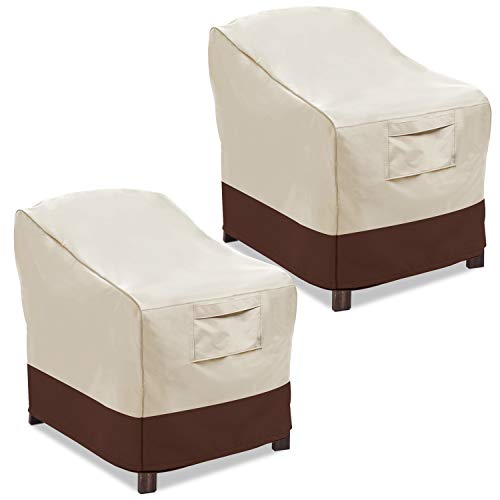
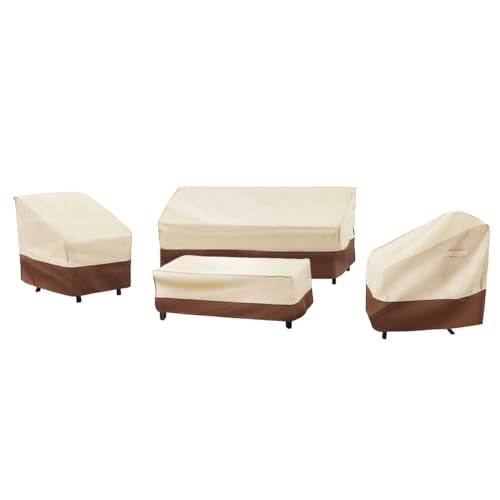
Regularly using protective covers can significantly reduce the accumulation of debris on my outdoor seating. These covers create a barrier against airborne particles, preventing them from settling on the surfaces.
I make it a habit to wash my seating with mild soap and water every couple of weeks. This simple practice not only keeps them looking fresh but also eliminates any build-up before it becomes problematic.

When breezy weather occurs, I find it helpful to reposition the furniture to minimize direct exposure to wind-blown particles. Adjusting the layout not only enhances comfort but can also limit the amount of dirt that settles on the pieces.
In addition, regularly inspecting and cleaning nearby plants and surroundings ensures that I’ve minimized sources of debris. A well-maintained area contributes to keeping my outdoor spaces clean and inviting.
Methods to Protect Outdoor Seating from Particles
I recommend using weatherproof covers tailored for your outdoor seating. These covers act as a barrier, preventing the accumulation of particulate matter when the area is not in use.
<p.Regular cleaning is key, so I suggest utilizing a soft brush or microfiber cloth weekly. This prevents buildup and ensures your seating remains inviting.
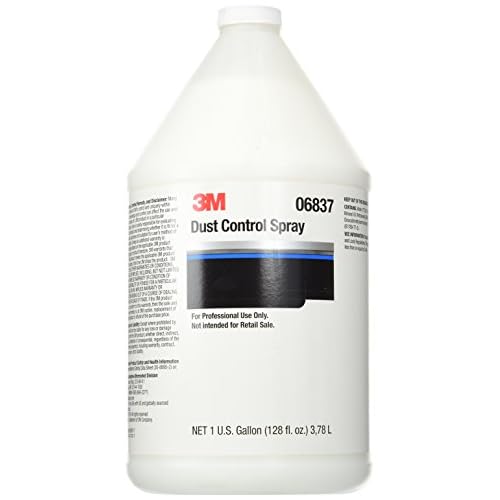
<p.Invest in a protective spray designed for outdoor materials. This adds an extra layer of defense against environmental elements and makes it easier to wipe away any residues.
<p.Consider placing your seating in a sheltered area, such as under a patio roof or near trees, to reduce exposure to airborne particles. This small adjustment can have a big impact on cleanliness.
<p.Additionally, strategic positioning of potted plants can help capture some of the debris and offer aesthetic appeal at the same time. Choose plants that help filter air while adding greenery to your space.
<p.Use a designated storage box for cushions and smaller items to prevent them from collecting accumulation when not in use. It keeps everything organized and cleaner for your next gathering.
Selecting the Right Material for Your Outdoor Seating
Choose materials that offer durability and require minimal upkeep. Aluminum, for example, is lightweight, rust-resistant, and easy to clean. Choosing high-quality aluminum can significantly extend the lifespan of your seating arrangement.
Top Material Options
- Teak Wood: Renowned for its natural oils, teak resists moisture and decay. Regular maintenance with a protective sealant can help maintain its color.
- Resin Wicker: Made from synthetic fibers, it mimics traditional wicker while providing resistance to fading and moisture.
- Powder-Coated Steel: Offers a modern look and improved resistance to rust compared to uncoated metal, keeping your pieces looking fresh.
- Cast Aluminum: A sturdy choice that combines elegance and strength. Look for powder-coated finishes to enhance its protective layer.
Material Care Tips
- Regularly wipe surfaces with a damp cloth to remove particles.
- Use protective covers during off-seasons or when not in use.
- Avoid harsh chemicals that can damage surfaces; opt for mild soaps instead.
Investing in the right materials makes a significant difference in how outdoor seating stands against the elements and maintains its appearance. Each option provides distinct advantages; assessing personal preferences alongside environmental factors will guide better decisions.
Choosing a Suitable Cover for Dust Protection
Select covers made from breathable, weather-resistant materials. Polyester and vinyl are popular choices, but ensure the fabric allows moisture to escape while preventing debris accumulation. Look for covers with UV protection to prevent fading and deterioration.
Size and Fit
Measure your outdoor items accurately before purchasing a cover. A snug fit minimizes gaps where dirt can enter. Adjustable straps or elastic hems enhance security during windy conditions, keeping the protective layer in place.
Ease of Use
Select designs that are easy to put on and take off. Features like handles or zippers can simplify the process. Lightweight materials facilitate effortless maneuverability, making it convenient to protect your outdoor seating without hassle.
Implementing a Regular Cleaning Schedule
I recommend establishing a cleaning routine that incorporates a weekly dusting of your outdoor seating and tables. This simple action minimizes the buildup of particles and ensures your relaxation spaces stay inviting.
Additionally, consider setting a monthly deep-clean day. Use a mild soap mixed with water, applying it with a soft brush to access hidden crevices. Rinse thoroughly to prevent soap residue.
Weather conditions can affect buildup, so I adjust the frequency based on seasonal changes. For example, during windy months, I increase my cleaning efforts. Keeping a checklist or calendar can help track these tasks.
For a thorough approach, integrate a quick wipe-down after each use, especially following gatherings or meals outdoors. This habit keeps surfaces pristine and ready for immediate use.
Establishing this regime promotes longevity for your outdoor pieces, ensuring they stay enjoyable for years to come while requiring minimal effort. Adapting to your environment will enhance the effectiveness of your efforts.
Utilizing Outdoor Storage Solutions
Investing in a quality storage shed or deck box serves as a practical measure to protect outdoor seating and tables. I recommend selecting waterproof and UV-resistant options to safeguard against moisture and sunlight damage. Consider choosing a storage box with a locking mechanism, ensuring that cushions and accessories remain secure from pests.
Vertical storage racks are another valuable alternative, especially for smaller spaces. I often use wall-mounted shelves to keep items organized and off the ground, preventing them from collecting grime. Furthermore, utilizing stackable bins maximizes space while keeping smaller items easily accessible and protected.
Portable storage solutions, like rolling carts or collapsible bins, allow flexibility for seasonal changes. When not in use, these can be effortlessly tucked away, reducing exposure to environmental elements. I find it beneficial to label storage containers for quick retrieval and maintenance of order.
Placing a dedicated outdoor cabinet can also add aesthetic value while providing necessary protection. This type of furniture can blend seamlessly with existing setups, offering a cohesive look while housing cushions, tools, and other outdoor necessities, enhancing longevity and usability.
Positioning Furniture Strategically to Minimize Dust Accumulation
Placing your outdoor items away from windy areas can significantly reduce the amount of debris that settles on them. I recommend positioning them against walls or under overhangs, which act as natural barriers against airborne particles.
Incorporating furniture arrangements that allow for easy airflow can also aid in minimizing unwanted particulates. Ensuring spaces between chairs and tables allows breezes to circulate, preventing stagnant air that can attract settling materials.
Utilizing elevated surfaces such as raised decks can be advantageous. By lifting seats off the ground, I’ve noticed a decrease in exposure to ground-level contaminants, particularly in areas prone to falling leaves and dirt.
Consider grouping your seating arrangements with plants positioned strategically around them. This not only creates a pleasant aesthetic but also can serve as a buffer that interrupts the path of floating contaminants.
Regularly assessing and adjusting the layout based on seasonal changes can help maintain an environment that minimizes cleanliness challenges. Moving items during windy or dusty seasons enhances protection against unwanted particles accumulating on surfaces.
Incorporating Landscaping to Reduce Dust Exposure
Planting shrubs and trees strategically around the outdoor area significantly minimizes the amount of airborne particles that settle on surfaces. Opt for dense vegetation which acts as a barrier against wind, providing natural protection from debris. Consider using evergreen plants, as they provide year-round coverage and require less maintenance.
Ground Cover Solutions
Implementing ground covers like clover or creeping thyme can suppress soil erosion. This minimizes the amount of loose earth that can become airborne and settle on outdoor seating. These plants not only serve functional purposes but also enhance aesthetics.
Hardscaping Features
Incorporating hardscaping elements such as patios with porous materials or gravel walkways provides additional barriers to dust. These surfaces allow for better drainage, reducing the puddling effect that can lead to mud and deposits on belongings. Water features can also help with air moisture, potentially reducing dust accumulation over time.
Using Dust-Repellent Sprays and Treatments
Applying specialized sprays to your outdoor seating can significantly minimize the accumulation of particulates. These products are formulated with micro-particles that create an invisible barrier, reducing the cling of airborne debris.
- Choose sprays specifically designed for outdoor materials like wicker, metal, or fabric. Look for options with UV protection and mildew resistance.
- Ensure surfaces are clean before application to maximize adhesion and effectiveness. A simple wipe with a damp cloth will suffice.
- Apply the spray in a well-ventilated area, following the manufacturer’s instructions for best results. Pay attention to the recommended drying times.
Maintaining a regular reapplication schedule, typically every few months, will ensure optimal performance. Additionally, consider investing in treatments that also repel water, as moisture can exacerbate grime buildup.
Be cautious with natural remedies like vinegar or essential oils; they may not provide the same level of protection and can even damage certain surfaces.
For a holistic approach, integrate these sprays with other strategies like protective covers and effective storage solutions to create an overall environment less conducive to contamination.
Maintaining Your Outdoor Area to Control Particulate Levels
Scheduling regular maintenance can significantly lower the amount of particulate matter that collects in your outdoor relaxation space. I recommend allocating specific days for different tasks, ensuring every aspect of the environment is taken care of.
Regular Sweep and Rinse Schedule
Establish a routine to sweep and wash the surfaces. I typically perform a thorough sweep once a week and rinse the surfaces with a hose. This simple action effectively mitigates accumulation from wind and foot traffic.
Environmental Adjustments
Introducing barriers such as gravel or mulch in strategic locations can minimize the movement of small particles. I often opt for decorative stones that not only look appealing but also serve to trap fine debris before it reaches my seating area.
| Task | Frequency | Effective Tools |
|---|---|---|
| Sweeping | Weekly | Broom, Dustpan |
| Washing Surfaces | Bi-weekly | Hose, Mild Detergent |
| Mulch or Gravel Maintenance | Seasonal | Rake |
Using planters with dense foliage can significantly aid in particle control as well. I usually choose plants that provide ample coverage, further aiding in reducing exposure to airborne debris. Regular care of these plants ensures they remain effective guardians of my outdoor space.