
 Caleb Turner

Employing microfiber cloths for wiping surfaces transforms cleaning routines effectively. These durable materials trap minute particles rather than spreading them around, ensuring a clean finish. Regular use of these cloths can significantly reduce accumulations over time.
Consider investing in protective covers for items frequently gathering grime. Fabrics and materials designed specifically for these purposes can safeguard against external elements, helping to maintain the integrity of your belongings.
Vacuuming regularly plays a pivotal role in maintaining a neat environment. Utilizing a vacuum with a high-efficiency particulate air (HEPA) filter not only removes visible debris but also captures unseen allergens, contributing to overall cleanliness.
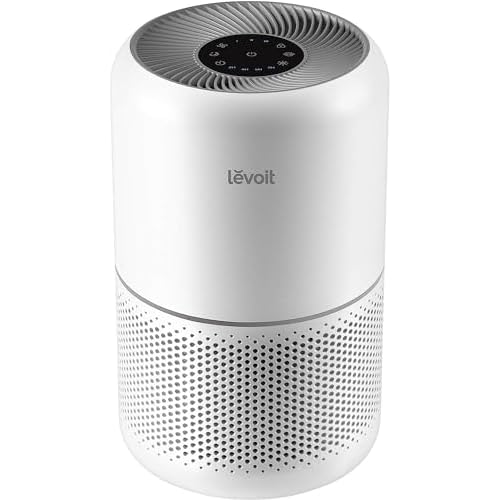


Incorporating air purifiers equipped with high-quality filters can enhance indoor air quality while minimizing environmental contaminants. These devices work tirelessly to eliminate unwanted particles, promoting a healthier living space.
Evaluate your flooring choices as well; opting for hard surfaces makes cleaning simpler compared to carpets, which tend to trap smaller debris. Regular maintenance combined with strategic choices lays the foundation for a pristine atmosphere.
Ways to Prevent Accumulation on Surfaces
I recommend utilizing microfiber cloths for regular cleaning, as they capture particles effectively. Wiping down surfaces with these cloths weekly can significantly reduce buildup. Opt for a dampened cloth occasionally to pick up more allergens without scattering them.
Employ Air Purifiers
Investing in air purifiers equipped with HEPA filters can drastically improve indoor air quality. These devices trap microscopic particles, reducing the likelihood of settling on surfaces. Placing purifiers in rooms with high foot traffic ensures maximum efficiency.
Implement Strategic Organization
Minimizing clutter contributes to a cleaner environment. Organize items in cabinets or storage bins, which not only keeps surfaces clear but also makes it easier to maintain cleanliness. Consider using baskets for frequently used items to reduce exposure to airborne particles.
Choosing the Right Cleaning Tools for Dusting
Microfiber cloths are my go-to choice. Their fine fibers trap particles effectively, preventing them from spreading back into the environment. I ensure to use a separate cloth for different surfaces to avoid cross-contamination.
A high-quality feather duster adds a nice touch when dealing with delicate items. I prefer ones made from ostrich feathers; they attract particles instead of pushing them around.
For tight spaces, I use a vacuum cleaner with a dusting attachment. This makes it easy to reach corners and crevices without disturbing the surrounding areas.
In my experience, static electricity dusters work wonders for electronic devices. They are specifically designed to attract and hold particles without scratching surfaces.
Always have a soft broom or a broom with silicone bristles on hand. These are great for larger areas where a cloth might not suffice.
Lastly, I invest in a high-efficiency particulate air (HEPA) filter for my vacuum cleaner. This ensures that even the smallest particles are trapped, maintaining better air quality.
Best Practices for Regular Dusting Schedule
A consistent timetable for maintaining cleanliness is fundamental. I find that allocating specific days for various tasks optimizes the process significantly.
- Weekly Routine: Designate one day each week for a comprehensive clean. Focus on the most visible surfaces, ensuring the removal of accumulated particles.
- Daily Touch-Ups: Spend a few minutes each day wiping high-traffic areas. This prevents buildup and maintains a fresh appearance.
- Monthly Deep Clean: Once a month, dedicate time to reach less accessible spaces, such as behind large items or in corners, utilizing specialized tools for thoroughness.
- Seasonal Adjustments: Adapt the schedule based on seasonal changes. During spring and fall, revisit areas that might collect more debris due to open windows or landscaping activities.
Using reminders or a digital calendar can help me stick to this routine. Log my completed tasks to track progress and adjust the schedule as necessary.
Coordinating dusting with other cleaning practices, such as vacuuming or mopping, can amplify results. I often combine these activities to maximize efficiency.
Using Furniture Covers to Prevent Dust Accumulation
Utilizing protective coverings for your pieces is a practical strategy to minimize particles settling on surfaces. Here’s how I tackle this issue efficiently:
- Select breathable fabric covers to allow air circulation, preventing moisture buildup that attracts dirt.
- Invest in fitted covers for sofas and chairs. These conform to the shape and offer a snug layer of protection.
- Choose washable options for easy maintenance; I regularly launder mine to eliminate trapped allergens.
- Consider protective throw blankets on frequently used seating–these can be easily replaced or cleaned.
- For rarely used items, invest in heavy-duty vinyl or canvas covers that shield against dust while keeping the furnishings intact.
Incorporating these covers significantly reduces my cleaning time and helps maintain a tidy appearance in my living areas.
Maintaining Air Quality to Reduce Dust Levels
Utilizing high-efficiency particulate air (HEPA) filters in your HVAC system can significantly lower airborne particles. These filters can capture up to 99.97% of particles measuring 0.3 microns, effectively minimizing allergens and fine debris in your living spaces.
Regularly schedule maintenance for air ducts. A clean ventilation system promotes better circulation and prevents the accumulation of minute particles that might otherwise settle on surfaces.
Invest in ionizers or air purifiers equipped with HEPA filters. These devices not only enhance air cleanliness but also reduce the load on your cleaning regimen by capturing unwanted particles.
Humidity Control
Optimal humidity levels should range from 30% to 50%. High humidity can lead to mold growth, while low humidity may result in increased particle suspension. Use dehumidifiers or humidifiers as needed to strike a balance.
Natural Ventilation
Opening windows when weather permits creates cross-ventilation, allowing fresh air to circulate and reducing stagnation. This promotes a healthier indoor environment and further decreases particulate matter.
By integrating these strategies, I can effectively enhance the air quality in my home, resulting in fewer particles settling on my belongings and a more pleasant living space overall.
Implementing Humidity Control in Your Home
Utilize a hygrometer to monitor indoor moisture levels, aiming for a range between 30-50%. This balance discourages allergenic particles and pests, reducing buildup on surfaces. A dehumidifier may be necessary in humid climates, operating at optimal settings to maintain your desired humidity.
In winter months, consider a humidifier to counteract dry air from heating systems. This equipment prevents static electricity and protects wooden items from cracking while also decreasing the likelihood of particles becoming airborne. Regularly clean and maintain all humidity control devices to ensure their effectiveness.
Integrate houseplants that naturally regulate humidity, such as peace lilies or spider plants. These not only enhance air quality but also contribute aesthetically to your space. Position them strategically near heat sources or in areas prone to dryness for maximum benefit.
Seal windows and doors to minimize drafts, which can lead to fluctuating humidity levels. Using weather stripping or caulk creates a stable environment, making it easier to maintain consistent moisture indoors. Additionally, consider conducting a home energy audit to identify and address any issues contributing to humidity imbalance.
Strategically Placing Indoor Plants to Trap Dust
Position plants such as Spider Plant, Peace Lily, and Rubber Plant in high-traffic areas. Their broad leaves effectively capture airborne particles, reducing accumulation on surfaces.
Optimal Plant Placement
Place larger plants in corners of rooms, allowing them to serve as natural barriers. Smaller plants can be grouped on shelves for added surface area to intercept particles. Ensure, however, that plant arrangement does not obstruct airflow excessively, as circulation also aids in minimizing debris.
Maintenance Tips
Regularly wipe leaves with a damp cloth to maximize their efficiency. Dull leaves can hinder their ability to catch particulates. Additionally, ensure to rotate plants to ensure even growth and optimal light exposure. This supports overall health while enhancing their filtration capabilities.
Vacuuming Techniques for Dust-Free Furniture
Utilize a vacuum cleaner equipped with a HEPA filter for optimal air filtration while cleaning surfaces. Ensure the attachment is appropriate for the specific material of the item being serviced.
Adjust the suction power to avoid damaging delicate finishes, and use a soft brush attachment to gently lift away particles without scratching surfaces.
Incorporate a regular schedule for vacuuming these surfaces to maintain cleanliness. Focus on corners and crevices where debris typically accumulates.
Experiment with the use of a vacuum with a built-in upholstery tool for fabric-covered pieces, allowing for thorough yet gentle cleaning.
For wooden surfaces, consider utilizing a microfiber attachment to trap and remove fine particles effectively, avoiding traditional cloths that may just push allergens around.
Tips for Organizing to Minimize Dust Collection
Group similar items together in specific zones. For instance, keep books on shelves rather than scattered throughout the room. This approach limits flat surfaces that might attract particulates.
Utilize closed storage spaces. Cabinets and drawers reduce exposure of belongings to airborne particles, thereby minimizing surface accumulation.
Implement vertical storage solutions. Shelving units increase space efficiency and decrease the number of items resting on surfaces, leading to less debris accumulation.
Regularly declutter areas to maintain an organized environment. Less clutter means fewer places for particles to settle. Aim to donate or discard items that are no longer needed.
Create a designated area for frequently used items. Designating specific spots for essential objects minimizes out-of-place items that often collect debris. Use trays or small bins to keep them organized.
| Organizing Method | Benefits |
|---|---|
| Grouping Similar Items | Reduces scattered surfaces |
| Closed Storage | Minimizes exposure to particles |
| Vertical Solutions | Increases efficiency and reduces flat surfaces |
| Regular Decluttering | Lowers item count and surfaces for gathering debris |
| Designated Areas | Keeps frequently used items organized |
Evaluate your layout and reposition larger pieces to optimize space, making it more accessible for cleaning. This strategy reduces buildup in hard-to-reach areas.
Maintain an organized and intentional design in each room. By ensuring every item has a specific place, I reduce the likelihood of extra surfaces where airborne residues can settle.


