Caleb Turner

Begin with selecting strong ties or Velcro straps to fasten decorative pillows to your seating. These options provide a reliable hold, preventing movement even on blustery days.
Consider utilizing cushion clips designed for outdoor settings. These accessories can anchor each pillow to the base, ensuring they remain in place while offering ease of removal for cleaning or storage.
Regularly check wear and tear on your fastening solutions. Replacing any outdated straps or clips will maintain cushion stability, prolonging their life and keeping your space looking immaculate.
Finally, arrange your pillows in a way that maximizes their stability. Layering larger pillows at the back can create a supportive barrier for smaller ones in front, enhancing not just security but comfort as well.
Strategies for Securing Soft Pads on Patio Rattan Seating
Utilize Velcro strips for a snug fit. Attach one side of the strip to the seating surface and the other to the underside of the pads. This creates a firm hold that prevents slipping.


Weighted Options
- Consider adding weighted ties. Sew small pouches filled with sand or pebbles into the corners of each cushion.
- Employ elastic bands. These can loop around the legs of your seating to hold the pads in place effectively.
Storage Solutions
Store the padding indoors during harsh weather. This not only prolongs the life of the fabric but also reduces the chances of displacement due to wind or rain.
Choose covers designed specifically for your seating. These will provide additional stability while protecting against the elements.
Regularly check and adjust the securing mechanisms to maintain their effectiveness over time. A little maintenance can go a long way in ensuring comfort and stability.
Choosing the Right Cushion Size and Shape
Selecting the appropriate dimensions and contours significantly impacts comfort and presentation. Measure the seating dimensions accurately, considering both width and depth. A snug fit prevents sliding and enhances stability.
<p Opt for rectangular or square shapes to align with most seating designs, ensuring a tailored appearance. If your seating has unique curves or angles, consider custom shapes that mirror those outlines for an optimal match.
Thickness is an essential factor; a balance between cushion density and softness enhances the sitting experience. Aim for cushions that are at least 2-4 inches thick for adequate support without sacrificing comfort.
Always bear in mind the fabric choice; it should complement the overall aesthetic while providing resilience against the elements. Waterproof or fade-resistant materials extend longevity, ensuring your selected sizes and shapes remain functional through varying weather conditions.
Using Cushion Ties and Fasteners
For securing fabric rests on seating, consider employing ties or fasteners specifically designed for outdoor use. These accessories provide a straightforward solution to prevent sliding, especially on smooth surfaces.
Types of Ties
Opt for fabric ties that can be stitched directly onto the edges of the fabric. These ties come in various lengths, allowing for easy wrapping around the furniture’s frame. Avoid materials that can mildew or rot; synthetic options like polyester are ideal due to their durability and weather resistance.
Fastener Options
Adhesive Velcro strips are another practical choice. Attach one side to the seat surface and the corresponding piece to the bottom of the cushion. This method provides a strong hold while still allowing for easy removal for cleaning. Additionally, snap fasteners can offer a more secure solution, fastening the fabric directly to the frame and ensuring stability even during windy conditions.
Implementing Weighted Inserts for Stability
I recommend using weighted inserts to enhance the stability of your seating pads. These inserts can be easily placed within the cushion covers. Choose materials that are both effective and discreet, such as sandbags or weighted pouches designed specifically for this purpose.
Consider the size of each pad when selecting weights. A general guideline is to aim for an insert that adds about one to two pounds for smaller cushions, while larger ones may require three to five pounds for optimal hold. Always ensure that the weight does not compromise comfort.
Ensure the inserts fit snugly within the cushions to avoid shifting or bunching during use. When purchasing, look for inserts that can be easily removed for cleaning or replacement without damaging the fabric of the covers.
Additionally, position the weighted inserts toward the corners of the pads to maximize their effectiveness. This setup helps maintain alignment and provides a discreet method of anchoring without detracting from the aesthetic appeal of the seating area.
Opting for Non-Slip Cushion Grippers
I recommend considering non-slip cushion grippers as an immediate solution for preventing movement of your seat pads. These specialized pads are designed with gripping textures that adhere to surfaces without leaving residue, ensuring stability during use.
Select models made of durable materials, such as silicone or rubber, which offer superior traction. Fix these grippers to the underside of the cushions or directly onto the seating area, depending on your preference.
For optimal performance, ensure that both the cushion and the surface are clean before application. This enhances the grip and maximizes adherence, significantly reducing the likelihood of shifting.
You may also find gripper strips beneficial, which run along the perimeter of the cushion, providing an additional layer of security. Experiment with different placements for best results and functionality.
Securing Cushions with Velcro Strips
I recommend using Velcro strips for firmly attaching seat pads to surfaces, preventing any unwanted movement during use. Select high-quality, heavy-duty Velcro, ensuring it can endure the outdoor conditions.
Installation Steps
Begin by cleaning the area where the strips will be applied. Cut the Velcro into appropriate lengths that will fit your seating. Attach one side of the Velcro to the underside of the seat pad and the corresponding side to the desired spot on the chair. Ensure a strong bond by pressing firmly and allowing time for the adhesive to set before use.
Maintenance Tips
Regularly check the integrity of the Velcro strips, ensuring they remain securely affixed. If you notice peeling, clean the surfaces and reapply fresh adhesive-backed Velcro. This method not only keeps pieces in place but also allows for easy removal and cleaning.
Considering Weather-Resistant Materials
Choosing materials that can withstand the elements is crucial. Opt for fabrics made from solution-dyed acrylic, polyester, or olefin, which offer UV resistance and water repellency. These options not only resist fading but also remain durable over time.
Additionally, examine the padding. Quick-drying foam and polyester fiberfill are excellent choices, as they minimize mold and mildew build-up. Look for materials with a water-resistant coating for extra protection against rain and spills.
Incorporating a breathable mesh lining will enhance drying speed, ensuring comfort after a sudden downpour. Complementing this with reinforced seams will provide added durability, preventing fraying and tearing as weather conditions fluctuate.
Invest in storage solutions when not in use, like breathable bags or containers, to keep items shielded from harsh weather and direct sunlight, extending their lifespan significantly.
Utilizing Storage Solutions During Bad Weather
During inclement weather, storing seating pads properly is crucial to extend their lifespan and maintain comfort. Invest in waterproof storage bins or bags. Opt for ventilated options to prevent moisture buildup, which can lead to mold and mildew. Size the bins according to the number of cushions to avoid cramming, which may damage the fabric.
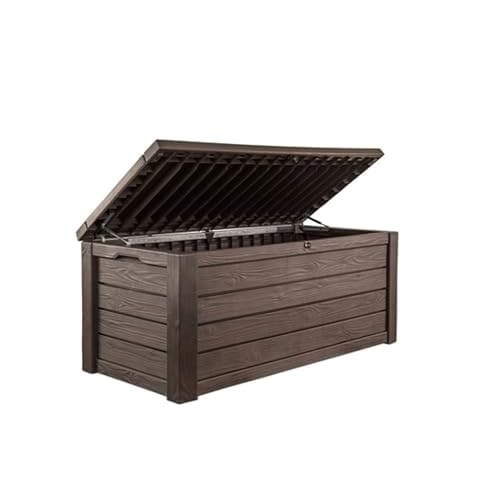
For smaller pieces, consider a stylish outdoor storage chest. These multifunctional units not only provide protection but can also serve as additional seating or a table. Look for chests made from durable materials that blend with your environment.
Regularly inspect the storage space to ensure it remains dry and free from pests. Using silica gel packets can help absorb excess moisture. Also, make it a habit to clean pads before placing them in storage to avoid dirt buildup.
In stormy conditions, bringing the cushions indoors is the safest bet. It’s advisable to establish a dedicated indoor space for this purpose to streamline the process. Keep the area organized to facilitate access and prevent mishaps in adverse weather.
Regular Maintenance and Cleaning Tips
Regular upkeep is key for extending the lifespan of your soft seating materials. Here are steps I take to ensure they remain in good condition:
- Dust regularly: Use a soft brush or a vacuum cleaner with a brush attachment to eliminate dirt, dust, and debris that accumulate over time.
- Spot cleaning: For spills or stains, act quickly. Blot the area gently with a clean cloth and mild soap solution. Rinse with water and allow to air dry.
- Deep cleaning: Every few months, perform a thorough cleaning. Check the manufacturer’s instructions for the right cleaning agents compatible with the materials used.
- Check for wear: Inspect your seating items regularly for signs of damage such as fraying or fading. Early detection enables better repair or replacement.
- Protect from UV rays: Whenever possible, place your items in shaded areas to prevent fading and material degradation from sunlight.
- Store during adverse weather: When storms or heavy rains are forecasted, move the soft elements indoors or cover them with suitable weatherproof covers.
By following these practices, my plush additions maintain their appeal and functionality for many seasons.
Creative Decoration Ideas to Keep Cushions Secure
Utilizing decorative trays can enhance aesthetics while anchoring pillows. Arrange items like candles or plants on the tray to combine functionality with appeal.
Incorporating decorative weights disguised as charming elements can add flair and stability. Consider using attractive stones or beach glass that complement your design.
Woven baskets placed strategically can serve as stylish storage while providing additional weight. This approach blends beauty with practicality, ensuring your fabric remains in place.
Engaging with nature by using potted plants can bring greenery while creating barriers. Arrange them around seating areas to not only beautify but also shield items from wind.
Color-coded elastic bands can harmonize with your theme, wrapping around pillows to hold them in place. These can add a playful element and can be easily removed when not in use.
Fabric glue can create a semi-permanent bond for a more robust solution. This tactic allows for a custom fit, though it limits flexibility for changing styles.
| Method | Description |
|---|---|
| Decorative Trays | Enhances beauty while anchoring items. |
| Disguised Weights | Attractive stones or glass for stability. |
| Woven Baskets | Stylish storage and added weight. |
| Potted Plants | Natural barriers to shield from wind. |
| Color-Coded Bands | Fun and flexible to match themes. |
| Fabric Glue | Creates a semi-permanent hold. |
Using seasonal themes will ensure freshness. Rotate decorative elements based on holidays or events, keeping the area lively and appealing.
FAQ:
What are some ways to keep cushions from sliding off outdoor wicker furniture?
To prevent cushions from sliding off, consider using non-slip pads or adhesive strips that can be placed underneath the cushions. Another option is to wind elastic cords around the furniture and the cushions, securing them in place. Additionally, investing in cushion covers with ties can help to hold the cushions firmly on the furniture.
Are there specific materials that are better for outdoor cushion covers?
Yes, for outdoor cushion covers, materials that are water-resistant and UV-resistant are recommended. Fabrics such as solution-dyed acrylic or Polyester blends are ideal as they can withstand moisture and sunlight without fading. These materials are also easier to clean and maintain, making them suitable for outdoor use.
How can I protect my outdoor cushions from rain and moisture?
To protect outdoor cushions from rain and moisture, consider using waterproof storage bags when not in use. Another effective solution is to apply a waterproof spray that can help repel water. Installing a weather-resistant cover for your furniture can also shield cushions from the elements, keeping them dry and lasting longer.
Do I need to clean my outdoor cushions regularly, and how should I do it?
Yes, it’s advisable to clean outdoor cushions regularly to prevent mold and mildew from forming. You can use mild soap and warm water to wipe down the covers, and for deeper cleaning, vacuuming can remove any dirt or debris. Always check the manufacturer’s care instructions, as some cushions may be machine washable while others require spot cleaning.
Can I use any type of cushion on my wicker furniture, or are there specific types I should use?
While you can technically use any type of cushion, it’s best to choose those designed specifically for outdoor use. Look for cushions that are thicker and made with durable, weather-resistant materials. This ensures they are comfortable while also being able to withstand outdoor conditions, reducing wear and tear over time.
What are some simple ways to keep cushions on outdoor wicker furniture from blowing away?
There are several methods to secure cushions on outdoor wicker furniture effectively. One option is to use cushion ties. Many outdoor cushions come with built-in ties that can be fastened to the furniture, preventing them from shifting in the wind. If your cushions don’t have ties, consider purchasing cushion straps or clips that can be attached. Another alternative is to use weighted cushion bags, which can be placed on top of the cushions to keep them grounded. Additionally, using a waterproof storage box can help keep the cushions protected and secured when not in use, ensuring they stay in place and are less susceptible to wind.