Caleb Turner

Mix one part water and one part white liquid in a spray bottle, then lightly mist the affected areas of your upholstery. This natural deterrent can help discourage unwanted nibbling and clawing behavior while remaining safe for most fabrics.
Consider adding a citrus scent to the solution, as the aroma is known to repel many felines. A few drops of lemon or orange essential oil can enhance the mixture, providing an additional layer of protection for your prized possessions.
Creating a designated scratching area with a sturdy post can also redirect their attention. Place it near the furniture they tend to target, ensuring it’s enticing enough to engage them. Regularly rewarding them with treats for using the post can reinforce this positive behavior.


Regularly trimming nails will mitigate damage as well. Use appropriate clippers to carefully shorten the tips without causing harm. Pair this with a soft pad for their paws, allowing you to create a safe environment for both your upholstery and furry companions.
Using Vinegar to Deter Clawing on Upholstered Surfaces
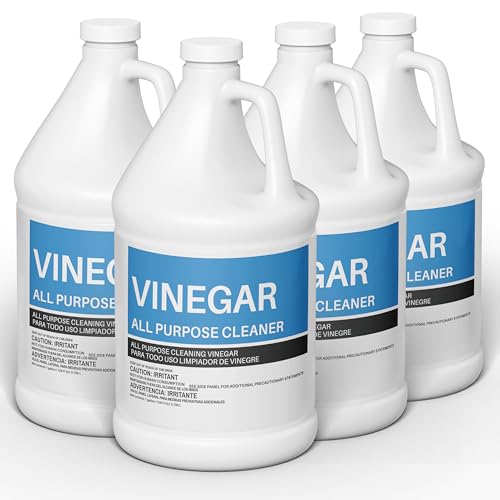
Mix equal parts of water and white vinegar in a spray bottle. Lightly mist the area of interest. The scent will create an unpleasant environment for felines, encouraging them to avoid these zones.
Conduct this spraying routine daily for a week to reinforce the association. After this period, reduce frequency as necessary.
Additionally, placing bowls of vinegar near the designated areas can bolster the deterrent effect. Ensure that these bowls are stable and placed where they won’t be accidentally knocked over.
Consider using cotton balls soaked in undiluted vinegar, strategically placing them in corners and favorite scratching spots. Keep an eye on these to monitor moisture levels and replace as needed.
Complementing this approach with positive reinforcement, such as treats for using acceptable scratching surfaces, will help modify behavior effectively.
Be cautious of potential fabric reactions; always test a small, inconspicuous area first to ensure no discoloration occurs.
Understanding Cat Scratching Behavior
Observing feline behavior reveals that scratching serves various purposes beyond mere mischief. It acts as a natural instinct for maintaining claws, stretching muscles, and expressing territory. One may notice that they utilize textured surfaces to shed layers of their claws, a process crucial for their hygiene.
This action is not random; it often correlates with their mood or environment. For instance, heightened stress or boredom can amplify this behavior. By recognizing that it fulfills an innate need, we can tailor solutions that redirect this instinct more constructively.
Another factor is territorial marking, as felines have scent glands in their paws. When they scratch, they leave their scent on the surface, marking their space. This behavior can be particularly pronounced in multi-pet households where competition for territory arises.
Providing appropriate scratching options, such as designated posts or pads, can satisfy their instincts while preserving cherished belongings. Positioning them near favored resting spots or in areas they frequent encourages their use. Observing their preferred angles and pressures can help in choosing suitable replacements. Adjusting environmental factors, such as incorporating playtime or stimulating activities, can also alleviate unwanted behavior.
Ultimately, understanding these drives allows for a more harmonious living situation, fostering a balance between their natural tendencies and our living spaces.
Choosing the Right Type of Vinegar
For effective deterrence, I recommend opting for white distilled vinegar. It has a strong acidity that not only repels but also neutralizes odors.
Apple cider vinegar can be another alternative. Its scent is slightly more pleasant, making it a suitable choice for those concerned about strong odors. However, its effectiveness may vary based on individual feline preferences.
It’s essential to avoid any flavored or specialty vinegars, as these may contain additives that could be harmful. Stick to simple, unflavored options for safety and effectiveness.
Mixing vinegar with water in a spray bottle can enhance its application. A ratio of one part vinegar to one part water strikes a good balance between potency and safety for your belongings.
Preparing the Vinegar Solution for Application
To create a mixture that’s effective in deterring unwanted behavior, I recommend using a simple solution of vinegar and water. This blend maximizes effectiveness while ensuring safety for various surfaces. Here’s how to prepare it:
Ingredients and Ratios
The ideal mixture consists of a ratio of 1 part vinegar to 3 parts water. For example, if you choose to use 1 cup of vinegar, you should add 3 cups of water. This dilution ensures that the strong scent of vinegar is tempered while still providing an unpleasant aroma for the feline.
Steps for Preparation
1. Start by measuring the vinegar and water according to the recommended ratio.
2. In a clean spray bottle, pour in the measured vinegar first.
3. Next, add the appropriate amount of water.
4. Secure the lid and shake gently to mix the solution well.
5. Label the bottle for easy identification and store it in a cool, dark place away from direct sunlight.
| Ingredient | Measurement |
|---|---|
| Vinegar | 1 cup |
| Water | 3 cups |
Using this solution, I can confidently apply it to various surfaces, ensuring not only a deterrent but also maintaining the integrity of my materials. Regular application will help shape the behavior over time.
Application Techniques for the Solution
I recommend using a spray bottle to apply the mixture directly onto the surfaces that require treatment. This method allows for even coverage without oversaturating the material. Ensure the container is clean and suitable for vinegar solutions to avoid any chemical reactions.
Testing on a Small Area
Before proceeding with full application, test the solution on a discreet part of the surface. This step checks for any adverse reactions. Wait 15-30 minutes before evaluating the area for any discoloration or damage. If the test is successful, proceed with the broader application.
Spraying and Wiping
Hold the spray bottle 6-12 inches away from the surface and mist lightly. Focus on one section at a time, allowing the mixture to settle for a few minutes. Then, take a clean cloth to gently wipe the area, ensuring not to rub too hard. The goal is to deter unwanted behavior without harming the material.
Alternative Deterrents to Use with Vinegar
Consider citrus peels, which I found to be surprisingly effective. Placing orange or lemon peels around the area significantly reduces interest. The natural oils in these fruits create an unpleasant aroma for an inquisitive feline.
Another method involves using essential oils. Oils like lavender or tea tree mixed with water can repel and create a calming environment simultaneously. Just ensure the mix is safe for your pet by researching before application.
Commercial sprays designed for deterring unwanted behavior can also complement the vinegar solution. These are often formulated with scents that pets dislike, enhancing your arsenal against unwanted clawing.
Physical barriers like scratching posts placed strategically nearby can redirect attention. I’ve noticed that when I offer an appealing alternative, the urge to damage furniture decreases.
Lastly, double-sided tape can deter with its sticky texture. Cats typically dislike the feeling on their paws, which can effectively discourage them from approaching certain surfaces.
Creating Cat-Friendly Alternatives for Scratching
Provide a designated scratching post made from sturdy materials that can withstand vigorous use. Sisal rope and cardboard are popular choices, as they appeal to natural instincts. Position these posts in areas where you notice playful behavior to encourage their use.
Consider incorporating interactive toys that promote active play. Feather wands and laser pointers not only entertain but also redirect energy away from your belongings. Regular playtime sessions can significantly reduce the desire to claw at unwanted surfaces.
Incorporating Cat Trees
Install cat trees or towers that feature multiple levels and scratching surfaces. These not only create a fun environment but also serve as safe spots for your feline friend. Ensure that these structures are stable and tall enough to encourage jumping and climbing, meeting your pet’s desire for exploration.
Using Natural Deterrents
Utilize citrus peels or scents that cats commonly dislike around resinous surfaces. Placing small bowls with lemon or orange peels near your valuable items can act as a deterrent while blending naturally into your home decor. Additionally, encouraging your pet to utilize alternative scratching materials can minimize unwanted behaviors.
Regular Maintenance to Prevent Scratching
Schedule routine cleaning and care for your spot to minimize potential damage. A well-maintained surface is less appealing for clawing. Follow these steps:
1. Surface Cleaning
- Use a soft cloth to remove dust and debris weekly.
- Apply a specialized leather cleaner monthly to keep the material supple.
2. Condition the Material
- After cleaning, use a leather conditioner to maintain moisture and suppleness.
- Condition surfaces every three to six months, depending on usage and climate.
Incorporate these practices into your routine for prolonged durability of your upholstered items. Consider placing protective covers or throws on areas most exposed to potential damage. This simple addition can provide a barrier while still allowing you to enjoy the aesthetic of your interior.
Monitoring Your Pet’s Reaction to the Solution
Observe your companion closely after applying the mixture. Look for immediate responses such as sneezing, retreating, or showing signs of discomfort. If your furry friend reacts negatively, it might be wise to discontinue use.
Behavioral Changes
Watch for changes in behavior over the next few days. Is the animal avoiding the treated areas? This can indicate that the application is effective. However, if you notice increased scratching or altered behavior, rethink your approach. It’s essential to adapt based on their reactions.
Adjusting the Approach
If the initial application doesn’t yield the desired results, consider varying the concentration of the solution. A more diluted or stronger blend might influence their interaction with the affected areas. Experiment with different applications to discover what works best for your situation.
When to Consult a Veterinarian or Animal Behaviorist
Seek professional guidance if your feline exhibits persistent clawing that does not lessen despite deterrent applications. Behavioral changes such as excessive anxiety or aggression may indicate underlying issues requiring expert attention.
Signs That Indicate Professional Help is Needed
- Unusual frequency of destructive behavior that disrupts daily life.
- Loss of appetite or sudden weight change alongside behavioral changes.
- Scratching accompanied by vocalization or signs of distress.
- Physical injuries resulting from frequent engagement with surfaces.
Understanding the Role of Experts
- A veterinarian can rule out medical conditions that contribute to stress or anxiety.
- An animal behaviorist provides strategies tailored to individual temperaments and environments.
- Both can collaborate to ensure a holistic approach, balancing health and behavior modification.
Intervention from
a veterinarian or an animal behavior specialist becomes crucial when simple strategies fail to yield positive outcomes. Early intervention can significantly improve well-being for both the animal and the owner.