Caleb Turner

Research suppliers thoroughly. Evaluating manufacturers or wholesalers is critical before making any commitments. Look for companies with positive reviews, certifications, and a reliable track record. Online platforms like Alibaba and Global Sources offer extensive directories of potential partners. Check for industry certifications that indicate compliance with safety standards, such as ISO or ASTM.
Establish clear communication. Maintain open lines with chosen suppliers to discuss product details, pricing, lead times, and shipping options. Ensure that all terms are documented. Understanding the nuances of payment methods is essential; utilize trusted platforms such as PayPal or trade assurance options provided by suppliers to safeguard transactions.
Consider logistics carefully. Familiarize yourself with shipping methods that meet your timeline and budget. Options range from air freight for quicker delivery to ocean freight for larger quantities. Factor in customs duties, taxes, and tariffs that may apply upon arrival to avoid unexpected costs. Engaging a freight forwarder can simplify complex logistics, ensuring smooth delivery to your designated location.
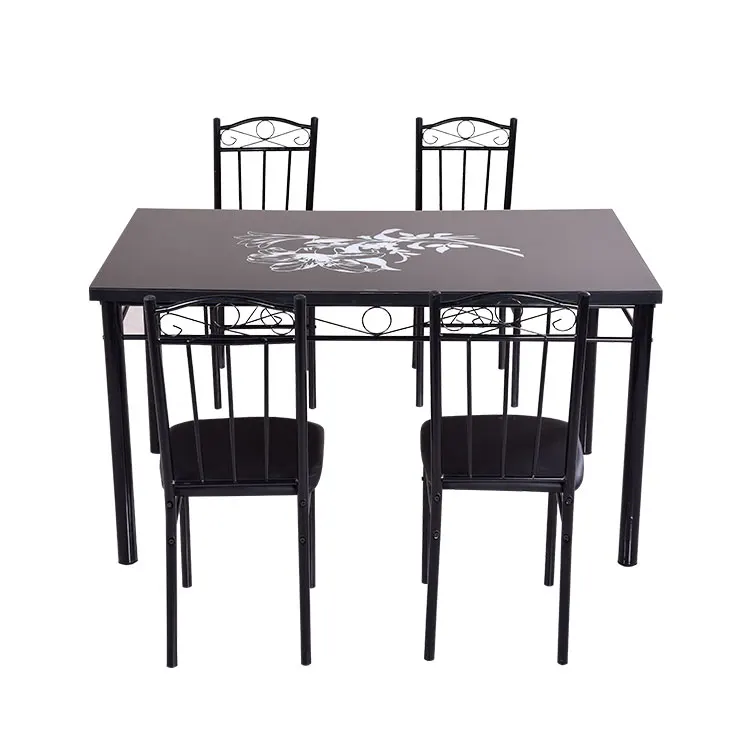


Importing Home Goods from Asia to North America
Research suppliers thoroughly before entering any agreements. Websites like Alibaba or Global Sources provide extensive lists of manufacturers. Verify their legitimacy through reviews, certifications, and samples. I find that direct factory visits greatly enhance trust and understanding of the production processes.
Understand regulations and tariffs that may impact costs and timelines. The Harmonized Tariff Schedule will outline classifications and duties applicable to the goods I want to purchase. Customs duties can significantly alter my budget, so I always calculate potential expenses beforehand.
Choose an efficient shipping method tailored to my needs. Sea freight is cost-effective for large quantities, while air freight suits urgent orders. I always compare quotes from different freight forwarders to find the best deal. Having my supplier handle logistics can simplify the process, but I make sure to confirm all shipping details.
| Shipping Method | Cost | Delivery Time |
|---|---|---|
| Sea Freight | Lower | 4-8 weeks |
| Air Freight | Higher | 1-2 weeks |
Engage a customs broker to facilitate clearance. Their expertise ensures compliance with all necessary regulations, effectively minimizing delays. I always gather documentation early, such as invoices, packing lists, and shipping bills, to streamline the process.
Once the order arrives, conduct a thorough inspection upon receipt. This step is crucial to verify that the items meet quality standards agreed upon prior. Address any discrepancies with the supplier immediately to prevent delays or disputes over defective goods.
Establish a solid plan for warehousing and distribution once products reach my location. Understanding the local market and demand patterns helps me make informed decisions about inventory management. Efficient logistics are key to meeting customer expectations and optimizing sales.
Finding Reliable Suppliers
To locate trustworthy manufacturers, I focus on a few key avenues. First, I explore online marketplaces like Alibaba and Global Sources, where numerous vendors showcase their offerings. Pay attention to supplier ratings and reviews, as they provide insights into their reliability.
Check Certifications and Standards
I always verify that potential partners hold relevant certifications such as ISO 9001 or BSCI. These credentials indicate adherence to quality and ethical standards, assuring me of their operational integrity.
Conduct Factory Visits or Virtual Tours
Whenever possible, I arrange visits to factories or request virtual tours. Observing production processes firsthand helps me gauge quality control measures and the working environment. This step is crucial for building trust and ensuring alignment with my quality expectations.
Understanding Import Regulations and Tariffs
Research the Harmonized Tariff Schedule (HTS) for accurate duty rates before initiating any purchase. Knowing the specific HTS code for your goods will ensure correct tariff assessments.
Be aware of the customs duties imposed by the U.S. Customs and Border Protection (CBP). Rates vary based on product classification, and some items may qualify for duty-free treatment under specific trade agreements.
- Check for anti-dumping and countervailing duties that may apply. Certain categories might be subject to these additional charges, affecting overall costs.
- Understand the necessity for a commercial invoice. This document must detail the items, values, and origin, crucial for customs clearance.
- Prepare for potential inspections by customs officials. Random checks on shipments can lead to delays if appropriate paperwork is lacking.
Comply with all labeling and packaging requirements mandated by U.S. regulations. Products must meet specific standards for safety and quality, especially if they fall under the Consumer Product Safety Commission (CPSC) jurisdiction.
- Determine if your products require any certifications or tests. This can include compliance with environmental standards or specific safety regulations.
- Stay informed about updates in trade policies, tariffs, and restrictions that could impact future transactions.
Consider working with a licensed customs broker. Their expertise can facilitate smoother transactions and help navigate complex regulations efficiently.
Explore potential trade incentives that may lower costs, such as Trade Preference Programs, which allow reduced tariffs for eligible products from various countries.
By focusing on these regulations and tariffs, you can mitigate surprises and enhance the profitability of your merchandise exchanges.
Shipping Options for Furniture from China
I recommend using sea freight as the most budget-friendly method for transporting large items internationally. This option is suitable if you can accommodate longer transit times, which typically range from 20 to 40 days, depending on the port of arrival.
Types of Shipping Containers
Select between Full Container Load (FCL) and Less than Container Load (LCL). FCL is ideal if your order is substantial enough to fill an entire container, ensuring quicker delivery and lower per-unit costs. LCL is preferable for smaller shipments, allowing you to share space with other buyers, but keep in mind the potential for longer handling times.
Air Freight Considerations
If speed is a priority, air transport is the fastest option, with delivery typically within a week. However, be prepared for significantly higher costs, which can be several times higher than sea freight. Ensure your supplier can provide the necessary documentation, such as airway bills and commercial invoices, to facilitate smooth customs clearance.
Negotiating Pricing with Chinese Manufacturers
Be clear about your budget before initiating discussions. This helps in setting expectations. Presenting a range rather than a fixed figure can provide flexibility during negotiations.
Understand Market Rates
Research typical prices for products similar to what you want. This knowledge enables you to argue your case effectively. Utilize online platforms, trade shows, and industry reports to gather this information.
Build Relationships
Establish rapport with suppliers to foster trust. Engage in casual conversations and show interest in their business. Long-term partnerships often lead to better pricing and favorable terms.
Always be prepared to walk away if the terms do not meet your criteria. This tactic shows that you are serious and may prompt the manufacturer to reconsider their offer. Employ patience; negotiations can take time, and leaving space to reassess can yield improved results.
Quality Control Measures for Imported Furniture
To ensure high standards in products sourced internationally, I implement several quality control strategies. Begin with a detailed inspection checklist, which includes aspects such as material quality, craftsmanship, and overall design compliance with expectations.
- Vendor Audits: Conduct audits of potential suppliers to examine their manufacturing processes, certifications, and previous quality issues. This assessment aids in selecting trustworthy manufacturers.
- Pre-Shipment Inspections: Arrange for third-party inspection services before shipments leave the production facility. They assess whether the goods align with specifications and standards.
- Sampling: Request samples of furniture pieces prior to full-scale production. Testing these samples ensures that the designs meet personal or market preferences.
- Material Verification: Verify that the materials used meet safety and durability standards. Specific material tests, such as for flammability and toxicity, are advisable.
- Quality Assurance Documentation: Ensure that suppliers provide documentation on quality assurance protocols and testing results, which can be crucial for dispute resolution down the line.
Regular communication with suppliers is essential, fostering a relationship that encourages adherence to quality expectations. Building these partnerships ensures manufacturers are more likely to take quality seriously.
Finally, always consider the potential need for adjustments after receiving goods. Establish a protocol for managing defective items, including return procedures and compensation requests.
Required Documentation for Customs Clearance
First and foremost, I ensure that my shipments are accompanied by a Bill of Lading. This document serves as proof of the contract between the shipping company and myself, detailing the terms of transport.
Next, I prepare a Commercial Invoice, which outlines the transaction between me and the supplier. This includes descriptions, quantities, prices, and payment terms. It’s critical for customs evaluation.
Another vital document is the Packing List. It provides a detailed breakdown of the items within each package, including weight and dimensions. This assists customs officers in verifying the shipment’s contents quickly.
I also pay close attention to obtaining a Customs Declaration. This document communicates essential information about the goods being imported, such as their classification and value, ensuring compliance with import regulations.
Harmonized System (HS) Codes are equally important; I make sure to classify my products correctly according to their designated codes. This helps in determining applicable tariffs and regulations.
If applicable, I prepare Certificates of Origin, which indicate where the products were manufactured. This can influence duty rates and compliance with trade agreements.
I also consider acquiring any necessary licenses or permits required for specific items, like safety certifications or environmental compliance documents, depending on the type of goods being transported.
Finally, maintaining accurate records of all documentation is something I prioritize, as this can significantly expedite the customs clearance process and alleviate potential issues during inspections.
Choosing the Right Shipping Method for Your Needs
Opting for sea freight is often the most economical choice for larger shipments. For bulky items, this method allows for maximum cargo space at a lower cost. However, it typically requires several weeks for arrival. If your timeline is flexible, this could be the ideal option to reduce expenses.
If speed is a priority, air freight is the go-to solution. While significantly more expensive, it offers delivery within a matter of days. For high-value or time-sensitive goods, this method makes financial sense despite the higher rate. I recommend weighing the cost versus the urgency of each shipment.
Consider freight forwarding services if you are unfamiliar with the process. They can simplify logistics, providing expertise in selecting the most suitable carrier and managing the entire shipping process on your behalf. Some forwarders specialize in specific types of products, which can enhance their ability to navigate challenges efficiently.
Evaluate the incoterms associated with your shipment. Understanding terms like FOB (Free On Board) or CIF (Cost, Insurance, and Freight) will clarify who is responsible for costs and risks at various stages of transportation. This clarity helps me determine liability and make informed decisions.
Finally, assess additional services such as insurance and tracking. Insurance protects against potential loss or damage during transit, while tracking ensures I stay updated on the shipment’s progress. These services provide peace of mind, especially for high-value items.
Strategies for Marketing Imported Furniture in the USA
Leverage social media platforms to showcase your offerings. Create visually appealing posts that highlight the design, quality, and functionality of the pieces you sell. Utilize Instagram and Pinterest, where imagery drives engagement, to connect with potential customers who appreciate style and aesthetics.
Consider building a robust website that features user-friendly navigation, high-resolution images, and detailed product descriptions. Incorporate an online store to facilitate direct sales and provide a seamless shopping experience. Optimize your site for search engines to enhance visibility.
Collaborate with Influencers
Partner with interior designers and home decor influencers to reach a wider audience. Their endorsement can lend credibility and attract customers interested in trendy décor solutions. Offer them products in exchange for reviews or features on their platforms.
Utilize Targeted Advertising
Implement online advertising campaigns targeting specific demographics who are likely to purchase imported goods. Use tools such as Google AdWords and Facebook Ads to tailor ads based on location, interests, and behavior, maximizing your marketing budget.
Establish a presence at home and lifestyle trade shows to engage directly with customers and distributors. These events allow for hands-on experiences with products and can generate valuable feedback.
Develop engaging content that demonstrates the value of your imported goods, such as blogs, videos, and tutorials. Share tips on home design, care, and styling that encourage repeat visits and foster community engagement.
Monitor customer reviews and feedback regularly to adapt your strategies. Addressing concerns promptly can enhance customer satisfaction, while positive testimonials can be leveraged in marketing materials.
Finally, collect email addresses through your website and social media channels to build a mailing list. Send newsletters featuring new arrivals, promotions, and informative content to keep your audience engaged and encourage repeat purchases.