Caleb Turner

Prioritize enhancing your online presence through a robust website and engaging social media channels. Implement high-quality images and detailed product descriptions that highlight unique features and craftsmanship. Conduct A/B testing on various layouts and calls to action to determine what truly resonates with visitors.
Focus on customer experience by offering personalized shopping services. Use data analytics to understand purchasing patterns and preferences, which can drive targeted marketing campaigns and inventory decisions tailored to buyer demands. Embrace customer feedback actively, using reviews to refine offerings and build trust.
Establish partnerships with interior designers or home staging professionals to reach a broader client base. This strategy not only elevates brand credibility but also promotes your pieces in actual living spaces, demonstrating their potential impact on home aesthetics.
Implement loyalty programs or referral incentives to encourage repeat business and word-of-mouth marketing. By rewarding customers for their loyalty or for bringing in new clients, you cultivate a community invested in your products and services.


Enhancing Your Retail Experience
Transform your showroom layout by creating distinct zones for different styles and purposes. Grouping items by aesthetic or function enables customers to envision how pieces will fit into their homes. Use clear signage to guide shoppers through these areas, making the browsing experience intuitive.
Incorporating Technology
Utilize augmented reality tools that allow customers to visualize products in their space. This interactivity can be a compelling reason for potential buyers to remain engaged with your offerings. Implementing a user-friendly app can streamline their experience and provide personalized furniture recommendations based on their preferences.
Engaging Online and Offline
Blend physical presence with an online strategy by offering exclusive in-store events or promotions highlighted on your website and social media platforms. Encourage customer feedback through surveys after purchases to gain insights into their experiences, which can guide future enhancements to service and product offerings.
Optimize Your Inventory Management System
Implement a real-time tracking system to monitor your stock levels, allowing immediate identification of top sellers and slow-moving items. This can reduce excess inventory and help in replenishing popular products efficiently.
Utilize advanced analytics tools to forecast demand accurately. Analyze historical sales data and market trends, which will enable smarter purchasing decisions and minimize the risk of overstocking or understocking.
| Action | Outcome |
|---|---|
| Real-time tracking implementation | Immediate access to stock levels and quick response to sales trends |
| Data analysis for forecasting | Reduced stockout situations and optimized replenishment strategies |
Integrate your inventory management with sales platforms to streamline operations. This centralization helps in tracking orders and updating stock levels automatically, eliminating manual entry errors.
Regularly review and adjust your stock based on seasonal trends and promotions. Conduct monthly audits to identify slow-moving goods and develop clearance strategies to free up warehouse space for more desirable items.
Adopt a just-in-time inventory approach to keep storage costs low. By aligning inventory with actual demand, not only do you minimize holding costs, but you also boost cash flow, allowing for further investment in desirable lines.
Train staff on your inventory management system to ensure all team members understand procedures and can contribute to maintaining accurate records. Continuous education on new tools and practices can enhance performance and accuracy.
Enhance Online Presence with SEO Strategies
Implement a keyword strategy tailored to your specific products. Utilize tools like Google Keyword Planner to identify high-traffic search terms relevant to your offerings and incorporate these into your website’s content, meta tags, and product descriptions.
Optimize Website Structure
A well-organized site increases usability and aids search engines in indexing your pages. Ensure clear navigation with categorized products, using breadcrumb trails and user-friendly URLs. Create a responsive design that performs flawlessly on both desktop and mobile devices.
Content Marketing and Blogging
Create high-quality, engaging blog content that addresses customer pain points related to home décor and furnishing styles. This helps establish authority and drives organic traffic. Consider topics like “top trends in indoor design” or “space-saving tips for small apartments.” Regularly updating your blog keeps content fresh and encourages repeat visits.
Incorporate altitude tags in images along with structured data markup to enhance visibility in search results. Regularly monitor your SEO performance through tools like Google Analytics and adjust your strategies based on the data collected.
Engage with customers on social media platforms to build a community around your brand. Encourage user-generated content by hosting contests or showcasing customer homes with your products, thereby amplifying your online reach.
Improve Customer Experience through Innovative Design
Offering customizable options is a strategy that enhances user satisfaction. Allow clients to select materials, colors, or finishes according to their individual tastes. This personal touch makes products feel unique and tailored.
Utilize Sustainable Materials
Incorporating eco-friendly materials not only appeals to environmentally conscious consumers but also distinguishes your products in the marketplace. Highlight sustainable sourcing practices and certifications to resonate with your audience, fostering trust and loyalty.
Create Multi-Functional Pieces
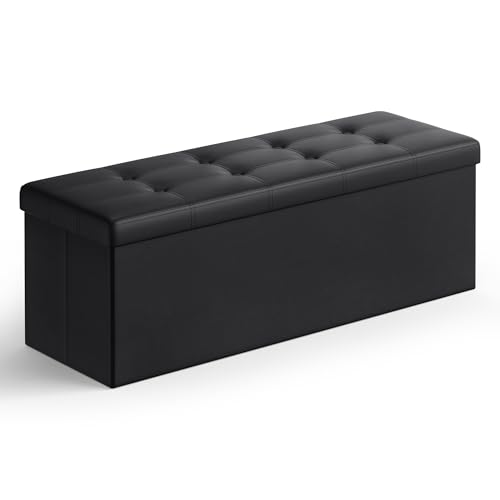
Designing furniture that serves multiple purposes can significantly enhance usability. Consider solutions like storage ottomans, sofa beds, or extendable tables. These practical designs cater to modern living spaces while adding value to the buyer’s experience.
Utilize Social Media for Targeted Advertising
Engage your audience by creating tailored content for various platforms. Each social medium has distinct user demographics, which allows for precise targeting.
- Segment Your Audience: Utilize analytics tools to identify customer segments based on interests and demographics.
- Create Platform-Specific Campaigns: Design advertisements that resonate with users on each social platform. For example:
- Instagram: Use high-quality visuals and lifestyle shots to attract followers.
- Facebook: Implement detailed targeting options such as location, age, and interests to reach specific groups.
- Pinterest: Share styled inspirations and DIY ideas, appealing to users seeking creativity.
- Employ Retargeting Ads: Implement retargeting strategies to reach individuals who previously interacted with your offerings.
- Utilize Influencer Collaborations: Partner with influencers that align with your brand values to expand your reach. Choose micro-influencers for niche markets.
- Monitor Campaign Performance: Use built-in analytics on social platforms to track engagement rates, clicks, and conversions. Adjust strategies based on data insights.
Regularly updating content and experimenting with different ad formats can yield significant returns. Building community through interactive posts fosters loyalty and encourages word-of-mouth referrals.
Implement Sustainable Practices in Production
Adopting eco-friendly materials and processes is a decisive step I recommend. Utilize sustainably sourced woods, bamboo, and recycled metals. Certification from organizations like FSC (Forest Stewardship Council) ensures responsible harvesting of timber.
Energy Efficiency in Manufacturing
Investing in energy-efficient machinery can significantly reduce operational costs. Implementing renewable energy sources, such as solar panels, not only decreases carbon footprints but also enhances the reputation of the venture.
Waste Reduction Strategies
I prioritize minimizing waste during production. Implement strategies like using production by-products for other products or developing a take-back program for old items. Collaborating with local artisans to repurpose leftovers adds both creativity and sustainability.
Engaging with consumers by highlighting these sustainable methods can create a loyal customer base. Transparency about sourcing and production practices builds trust and distinguishes my offerings in a competitive marketplace.
Streamline the Sales Process with Technology
Implementing a Customer Relationship Management (CRM) system can drastically enhance transaction efficiency. With a CRM, I track leads, manage customer interactions, and automate follow-ups, allowing for a seamless experience from initial contact to completion of a sale.
Optimize Point of Sale Systems
Utilizing modern point of sale (POS) solutions accelerates checkout times and minimizes errors. Features like mobile payment options and inventory sync keep operations fluent, enabling me to provide prompt service to clients. Adopting cloud-based systems ensures access to critical data from any location, supporting quick decision-making.
Leverage Data Analytics
Employing data analytics tools allows for tracking sales trends and customer preferences. By analyzing purchasing patterns, I can tailor offerings to match consumer demand, optimizing pricing strategies and inventory turnover. Using this information empowers informed inventory purchases, reducing excess stock and increasing profitability.
Conduct Regular Market Research for Trends
I recommend implementing a systematic approach to market analysis to stay ahead of competitors and identify emerging consumer preferences. Regularly gathering data through surveys, focus groups, or online analytics can provide invaluable insights into shifts within the industry.
Key Steps to Implement
- Identify Target Audience: Clearly define the demographics of your potential customers. Pay attention to their preferences, spending habits, and feedback to tailor offerings accordingly.
- Utilize Online Tools: Leverage platforms like Google Trends and social media analytics to track what styles and products are gaining traction. These tools can reveal real-time trends and consumer engagement.
- Competitor Analysis: Keep an eye on competitors by analyzing their product ranges, marketing strategies, and customer engagement. This can highlight gaps in your offerings and areas of potential growth.
- Attend Trade Shows: Participate in industry events to network and discover the latest innovations and trends directly from manufacturers and designers.
Implement Findings
Transform the insights gathered into actionable changes to your offerings. Adjust product designs, update marketing messages, and explore new supply chains based on market research to align better with consumer preferences.
Regular reassessment of market dynamics ensures that strategies remain relevant and responsive, ultimately leading to enhanced customer loyalty and increased sales.