
 Caleb Turner

Take a close look at the image you have; focus on the distinct characteristics of the item. Analyze the shape, color, and material. If the piece appears sleek and minimalistic, it might be a modern Scandinavian design. Recognizing these key traits can guide your search more effectively.
Next, consider the context of the piece. Does it appear in a cozy living area, or perhaps a bright, airy kitchen? These clues can help narrow down styles. For instance, rustic elements in a homey setting often suggest farmhouse styles, while sharp angles in a well-lit room hint at contemporary aesthetics.
Utilizing online resources can prove invaluable. Websites and applications specifically designed for decor enthusiasts often allow users to upload images and receive instant feedback on potential matches. Engaging with online communities dedicated to interior design can also yield helpful insights.
Taking measurements of similar objects you already own can further assist in your quest. Knowing the dimensions allows for a more informed comparison. Pair this information with visuals to pinpoint manufacturers or designers associated with the style you’re observing.

Lastly, connecting pieces through details such as hardware can lead to exciting discoveries. Unique handles or knobs may point toward specific brands or periods in design history, revealing the origins of the item in question.
Analyze the Shape and Silhouette of the Furniture
Begin with the outline. The shape often reveals the style and purpose of the item. Look for distinct characteristics such as:
- Curved vs. Straight Lines: Curved forms may indicate classic or contemporary designs. Straight lines often suggest modern or minimalist aesthetics.
- Proportions: Assess dimensions relative to one another. A balanced look with harmonious proportions can signify quality craftsmanship.
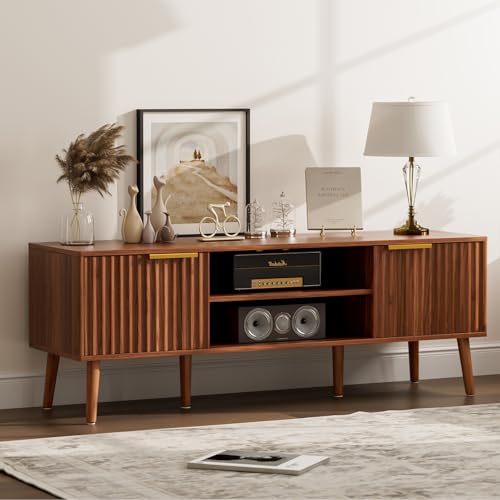
- Leg Styles: Examine the base. Tapered legs might signify mid-century modern style, while sturdy block legs could suggest rustic origins.
Silhouettes provide quick insights too. When viewing an item:
- Identify Unique Features: Distinctive shapes, such as a wingback chair’s high sides or a chaise lounge’s elongated form, can lead to a specific category.
- Negative Space: Observe the gaps around the piece. Interesting silhouettes can emerge from the interplay of the object’s form and the surrounding space.
Observe symmetry and asymmetry. Symmetrical designs often convey stability, while asymmetrical forms can evoke a sense of dynamism and creativity. Finally, consider how these elements fit together to create a cohesive look.
Examine the Material and Texture for Clues
Focus on recognizing the materials utilized in the creation of the item. Each type offers distinct characteristics that can provide insight. For instance, solid wood typically reveals grains and knots, while plywood often has a smoother finish. Metal may present a sheen, often indicative of stainless steel or aluminum, whereas wrought iron features a more textured and rustic appearance.
Common Materials and Their Features
| Material | Visual Characteristics | Common Uses |
|---|---|---|
| Wood | Grain patterns, colors vary from light to dark | Tables, chairs, cabinetry |
| Leather | Smooth and sometimes shiny with natural imperfections | Sofas, chairs, accents |
| Metal | Reflective surface, often cold to touch | Stool legs, frames, accents |
| Glass | Clear, frosted, or tinted, can be reflective | Tops for tables, shelving |
| Fabric | Varies widely; patterns, textures like velvet or cotton | Cushions, upholstery |
Consider the texture as well; rough surfaces may indicate reclaimed or natural wood, while softer, more polished finishes suggest modern styling. Touching the piece, if possible, can further enhance this examination. Notably, the interplay between material and texture reveals much about the age and style of the creation, aiding in further classification.
Additional Tips
Pay attention to wear patterns or aging in the materials, as older pieces exhibit signs of distress differently. If you observe natural marks, it may point towards authenticity in wooden structures, while scuff marks on metals could indicate frequent use. Keep a mental note of these details; they help narrow down options significantly.
Look for Distinctive Design Features or Patterns
Analyze unique elements such as curves, lines, and embellishments that stand out. For instance, examine any intricate carvings, geometric shapes, or unusual leg styles which may signify specific design movements like Art Deco or Mid-Century Modern. Patterns, such as checks, stripes, or floral motifs, can also provide clues about the era and style of the piece.
Check for any defining details, like tufting in upholstery or particular types of stitching that can hint at craftsmanship and origin. Identifying hardware, such as handles or knobs, may reveal the manufacturer or specific period. Distinct materials paired with these features often serve as additional identifiers, enhancing the overall assessment.
Pay attention to matching elements, consistently showcasing the same design language across various pieces in a set. Compatibility in style or motifs often indicates a cohesive collection from a specific designer or brand, which can further streamline research efforts. The uniqueness of these characteristics aligns closely with identifying attributes of various types of seating, tables, or storage units.
Check for Brand Logos or Labels in the Image
I always begin by closely examining any visible logos or labels on the item. Brands often place their insignia in discreet locations, such as the underside of a chair or the back of a cabinet. Checking these areas can quickly lead to identifying the maker.
Recognizing Common Logos
Familiarizing myself with popular furniture manufacturers’ logos can significantly speed up the identification process. Brands like IKEA, Herman Miller, or West Elm typically have unique and recognizable designs. A quick online search can yield a wealth of information about a brand’s signature logo if I suspect a particular name.
Labels with Additional Information
Besides logos, I also look for labels that may include the model number, date of manufacture, or country of origin. These details often provide context and aid in pinpointing the exact piece or style. If a label is present but faded, utilizing image enhancement tools can help make it legible.
By focusing on these aspects, I efficiently narrow down potential options based on brand associations and gain insights into the item’s history and craftsmanship.
Research Common Furniture Styles and Eras
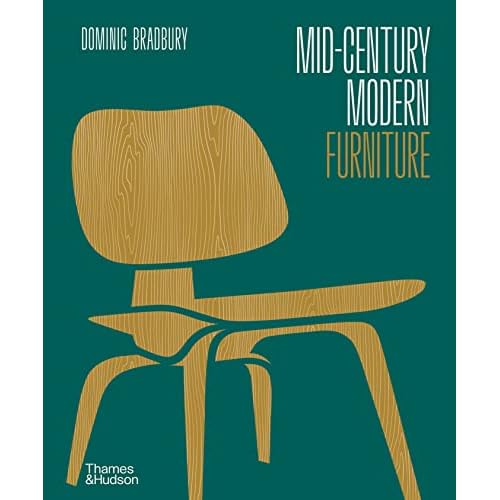
Familiarizing myself with prevalent styles and historical periods is essential for recognizing various items. I start by categorizing options such as Mid-Century Modern, which is marked by clean lines, organic forms, and a minimalist approach. This style emerged in the 1940s and 50s, featuring materials like molded plywood and fiberglass.
Next, I explore Colonial styles, reminiscent of early American craftsmanship. Pieces often exhibit symmetry, traditional motifs, and a robust, handmade feel. The timeline here spans from the 1600s to the late 1800s, with occasional variations depending on geographic influences.
Notable Modern Movements
Continuing my research, I encounter Art Deco, widely recognized for its bold colors, geometric patterns, and luxurious materials. This style flourished in the 1920s and 30s, often incorporating chrome and glass.
The Scandinavian movement draws attention due to its focus on functionality and simplicity. Originating in the 20th century, it showcases light woods and neutral tones, emphasizing a cozy aesthetic.
Understanding Contextual Clues
In addition to specific styles, I keep an eye on contextual details like hardware, finishes, and construction techniques. For example, dovetail joints suggest quality craftsmanship typical of older, more valuable items. Meanwhile, stamped logos can reveal newer production methods or specific manufacturers.
By examining these aspects, I create a clearer picture of the era and style, enhancing my ability to analyze various pieces effectively. This research forms the backbone of my evaluation process, making each assessment not just informative but also enjoyable.
Utilize Reverse Image Search Tools for Identification
To streamline the process of recognizing unfamiliar objects, I turn to reverse image search engines. Here are some tools that I frequently use:
- Google Images: Upload an image or paste the URL to find visually similar items online. This often leads me to retailers or similar products that provide additional context.
- Tineye: Ideal for tracing the origin of an image, Tineye helps me find where the picture appears on the web and can lead to a source or designer.
- Bing Visual Search: Microsoft’s search tool allows me to simply drag and drop an image, yielding results that can include related designs and where to purchase them.
Using these resources effectively involves a few straightforward steps:
- Ensure the image is clear and well-lit. A high-resolution photo yields better results.
- After uploading, analyze the provided links and options that appear in the search results for relevant matches.
- Cross-reference multiple sites to confirm accurate identification and gather more information.
This method not only aids in verifying the object but also unveils various styles and options available in the market, enabling me to make informed decisions for my space.
Join Online Communities and Forums for Assistance
Engaging with dedicated online forums and communities provides an excellent platform for expertise and shared experiences. I recommend searching for specialized groups on social media platforms and websites like Reddit, Facebook, or specialized furniture forums. For instance, the subreddit r/Furniture can be a great resource where enthusiasts and experts frequently discuss various pieces.
Participate Actively in Discussions
While browsing these communities, it’s beneficial to actively participate by asking specific questions about your item. Uploading a clear image along with detailed descriptions of any unique characteristics or features can attract knowledgeable responses. Many users enjoy helping others identify items they are passionate about, so don’t hesitate to share what you know.
Leverage Collective Knowledge
The collective knowledge of these groups can be invaluable. I’ve found that seasoned collectors and restorers often share tips on recognizing particular styles or marks, which can lead to more accurate identification. Remember to check pinned posts or FAQs in these communities, as they often contain helpful resources and guidelines that members have curated over time.
In summary, engaging with online communities not only enhances your understanding but also facilitates connections with like-minded individuals who can assist you in pinpointing the origin and details of your piece.
Compare with Online Retailers and Catalogs
Visit major online retailers like Wayfair, Amazon, or IKEA. Use their filter tools to narrow searches based on shape, color, and material. This makes it easier to find matches.
Browse through catalogs from specific brands to gain insights into their product ranges. Often, they provide detailed images and descriptions that can help confirm suspicions regarding particular pieces.
Utilize Visual Search Features
Some platforms include visual search tools allowing you to upload your image directly. This can yield immediate, relevant results, showing similar items available for purchase.
Check Reviews and Customer Photos
Review sections often feature images from buyers showcasing real-life placements of products. Comparing these images against your own can provide clarity on whether you are on the right track.


