
 Caleb Turner

To pinpoint the artisan behind classic masterpieces, examine the joinery techniques. Dovetail joints, for instance, reflect superior craftsmanship, as they indicate a handmade approach rather than machine production. Look for subtle irregularities that signal a skilled hand rather than an assembly line.
Next, investigate the materials utilized. High-quality hardwoods like mahogany, walnut, and oak are common in older pieces and can suggest manufacture in a specific era. The presence of original finishes, along with patina, can add to the authenticity, indicating the piece’s age and the care taken by the creator.
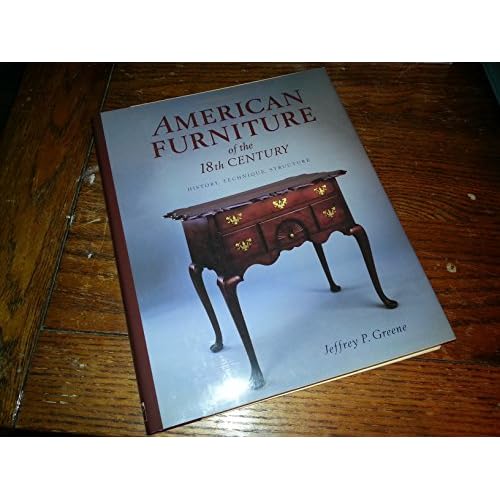
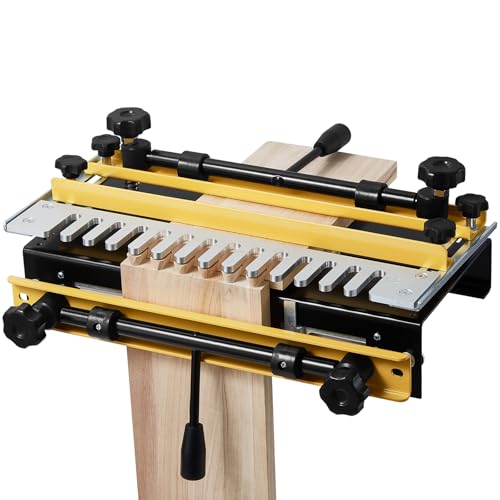


Labels and stamps are invaluable in this process. Many skilled artisans marked their work, either with a stamp or a handwritten label, often providing details about the place of origin. Research specific markings affiliated with reputable makers to validate the piece’s provenance.
Finally, familiarize yourself with the historical context of various styles and periods. Each era had unique design elements and characteristics, helping to attribute a piece to its rightful creator. A thorough understanding of these styles not only enhances appreciation but also aids in precise attribution.
Recognizing Craftsmen of Vintage Pieces
Examine the joinery techniques carefully. Dovetail joints, especially hand-cut ones, are signatures of skilled artisans, indicating craftsmanship from an earlier era. Look for inconsistencies in the joints; earlier work tends to exhibit imperfections that reflect a human touch.
Assessing Material and Construction
Analyze the type of wood used. Original pieces often feature high-quality hardwoods like walnut, mahogany, or cherry, which have distinct characteristics based on their origin. Check for the presence of solid wood versus veneer, as authentic pieces mostly utilize solid wood in construction.
Inspect the construction methods. Hand-planed surfaces, raised panel doors, and wooden pegs over screws suggest a bygone manufacturing process. These details lay the groundwork for classifying the item accurately.
Scrutinizing Stamps and Labels
Search for stamps, labels, or signatures usually found on hidden parts of an item, such as the underside of a drawer. These marks can offer invaluable insight into the creator’s identity. Familiarize yourself with notable brands and their corresponding labels, as this knowledge will greatly assist in recognition.
Networking within collector communities can also provide leads on identifying unfamiliar toys or brands. Sharing photos of suspected craftsmanship with experienced collectors can yield fruitful discussions and potentially reveal the origin.
Examine the Joinery Techniques Used
One of the best ways to trace the origins of a piece is through its joinery. Look for distinctive methods that reveal craftsmanship typical of specific time periods or artisans. Common techniques include mortise and tenon, dovetails, and dowel joints. Mortise and tenon joints are often found in sturdy constructions, indicating a high-quality build meant for longevity.
Dovetail Joints
Dovetail joints showcase exceptional skill, especially in drawers or boxes. Their interlocking design not only adds strength but also reflects aesthetic sensibility. A close inspection may reveal whether the dovetails are hand-cut or machine-made, with hand-cut variations being a hallmark of earlier craftsmanship.
Dowels and Pegs
Check for dowels or wooden pegs, often found in simpler constructions. These joints can signify a transitional period between rougher methods and refined techniques. Their placement and visibility can give clues to the style and age of the item.
| Joinery Technique | Characteristics | Historical Context |
|---|---|---|
| Mortise and Tenon | Strong connection; often visible | Used since ancient times, popular in 18th century |
| Dovetail | Interlocking; aesthetic appeal | Hand-cut in earlier periods; machine-cut by late 19th century |
| Dowels | Simplistic; usually not decorative | Common in transitional designs, 19th century |
Carefully examining these details enables a better understanding of the piece and its origins. The joinery is not only functional but tells stories of the craft and era it represents.
Analyze Wood Types and Aging Patterns
Assessing wood characteristics can reveal much about an object’s origins. Focus on the specific types and their traits.
Common Wood Types
- Oak: Heavy and durable, oak typically has a prominent grain. It darkens with age, developing rich red or brown hues.
- Cherry: Known for its smooth texture and reddish-brown color, cherry wood ages beautifully, developing a patina over time.
- Walnut: Dark and dense, walnut wood possesses a unique grain. Its color ranges from light brown to deep chocolate, deepening with age.
- Pine: Softwood with distinct knots, pine is lighter in color and shows wear and yellowing as it ages.
Aging Patterns
- Surface Wear: Look for scratches, dents, or fading; these signs indicate use over decades.
- Color Changes: As wood ages, expect shifts in hue, often darker or more muted compared to its original state.
- Cracks and Checks: Small fractures can form as wood contracts; note their locations and severity.
- Finish Degradation: Old finishes might become dull or flake, revealing the raw wood beneath.
By evaluating these elements and their combination, I can often draw conclusions about the craftsmanship and time period of the piece. A thorough understanding of wood types and their aging traits provides invaluable insight into the history of the item in question.
Investigate Maker’s Marks and Labels
To pinpoint the origin of a piece, I meticulously examine any visible marks or labels. Each artisan’s mark offers insight into the creator’s identity, often incorporating initials, symbols, or a logo that can reveal their heritage or workshop. I take note of the placement of these marks; they’re typically found on the underside of tables, back panels, or within hidden compartments.
Researching these symbols is essential. I utilize online databases, historical references, or books dedicated to marks specific to different eras and regions. I also consult resources like the Furniture History Society, which provides comprehensive documentation on notable craftsmen. If a label is present, I check its style and materials, as they can often point to specific time frames.
In cases where identification is challenging, I photograph the marks and share them with online forums or groups of enthusiasts. Fellow collectors sometimes possess the knowledge required to decode less common signatures. This collaborative effort often leads to satisfying discoveries.
Additionally, I pay attention to any accompanying paperwork, such as receipts or certificates of authenticity. These documents can bolster provenance and illuminate details about the piece’s history. Together with researching marks and labels, these steps create a clearer picture of the craftsmanship involved.
Research Historical Furniture Styles and Eras
Begin with a focused examination of historical design movements. Each era has distinct characteristics, evident in shape, ornamentation, and functionality. For instance, the Baroque period showcases opulence with intricate carvings and bold curves, while the Shaker style emphasizes simplicity and functionality, often featuring clean lines and minimal decoration.
Explore timelines of various design phases like Victorian, Arts and Crafts, or Mid-Century Modern. Recognizing these styles will aid in narrowing down the period of production. Reference reputable books and online databases that catalogue these movements, providing visual examples for comparison.
Visiting museums and antique shows can offer tangible insights into style evolution. Observing pieces firsthand enables a deeper understanding of proportions and craftsmanship. Take notes on unique features that differentiate one era from another; this practice enhances my ability to spot authentic works versus replicas.
Join online forums dedicated to vintage design, where enthusiasts and experts share their insights. Engaging with a community can reveal lesser-known styles and regional variations. Document findings in a clear format, which will serve as a valuable reference for future assessments.
By developing a keen eye for historical styles, I can enhance my ability to attribute specific characteristics to particular creators and their respective periods, advancing my knowledge successfully.
Compare Hardware and Fastening Methods
Examine the hardware and fastening techniques used in the piece; these elements provide significant insights regarding its origin and time period. Common types of hardware include hinges, handles, and locks. Understanding their characteristics can help in determining the era of production.
- Screws: Look for hand-forged screws, prevalent from the late 17th century to the mid-19th century. Machine-made screws emerged later and may indicate a newer creation.
- Nails: Observe the type of nails used. Handmade nails were common before the Industrial Revolution, while cut nails began to replace them in the 19th century.
- Hinges: Check for wrought iron or brass hinges. Two common types include butt hinges, often used in earlier pieces, and more decorative varieties that appeared later.
- Locks: Inspect locks for complexity and craftsmanship. Early locks were often custom-made and may feature intricate detailing, while later designs tended to be simpler and mass-produced.
Fastening methods also reveal the construction era. Dovetail joints were favored for drawer construction, while box and case furniture commonly used glue and wood joinery. Signs of modern fastening methods, like cam locks or dowels, suggest a later date.
Take note of any specific designs or finishes on the hardware as well. Decorative elements like rosettes or embossed patterns may help to narrow down the period and style of the item.
Compile all observations regarding these components and cross-reference them with known characteristics of different periods to arrive at a well-informed conclusion about the piece’s background.
Consult Reference Books and Online Resources
I turn to a variety of reference materials to gather insights on the origins of the pieces I encounter. Books such as The Furniture of the Arts and Crafts Movement and American Furniture: 1620 to the Present provide detailed histories and visual guides that can reveal the craftsmanship styles specific to various periods and regions. These volumes often include illustrations of distinctive marks and construction techniques.
Online databases like the American Association of Museums and websites focused on historical furnishings offer extensive archives. I seek out articles and collector forums where enthusiasts discuss particular artisans, helping me track down unique characteristics tied to specific creators.
Digital tools such as Google Books and archive.org allow me to access old catalogs and historical texts that might not be readily available in physical libraries. These platforms can be gold mines of knowledge, shedding light on design trends and manufacturer histories.
Don’t overlook online auction sites–many include detailed descriptions that often mention the craftsmanship associated with particular eras. Reading through past sales can give context to a piece’s value and enhance my understanding of its background.
Combining insights from books and online resources equips me with a more thorough understanding, making it easier to recognize the artistry behind each piece I investigate.
Join Antique Furniture Forums and Communities
Engaging with online forums and communities dedicated to vintage pieces is invaluable. These platforms connect enthusiasts and experts who share insights, experiences, and resources that can greatly aid in uncovering the origins of bygone creations.
Here are several key benefits of participating in these networks:
- Access to Expert Knowledge: Many members possess extensive backgrounds in craftsmanship and history, providing guidance on specific pieces.
- Sharing of Images and Questions: Upload photographs and pose queries regarding particular items. Feedback from seasoned collectors can lead to rapid identification.
- Networking Opportunities: Building relationships with like-minded individuals can lead to workshops, discussions, and even visits to furniture shows.
- Resource Sharing: Gain access to recommended books, websites, and databases that help pin down details about styles and periods.
Consider these specific communities:
- Antique Furniture Forum – A dedicated space for discussions related to various styles and restoration tips.
- Furniture History Society – Focused on historical research and gatherings among scholars and collectors.
- Reddit’s Antique Furniture Community – Informal, providing a platform for a wide-ranging discussion about vintage finds.
By engaging actively, you can gain a wealth of information that isn’t easily found in textbooks or articles. These forums allow for dynamic exchanges, keeping you updated on the latest trends and discoveries within the community.
Identify Regional Characteristics in Design
Focusing on stylistic nuances can significantly aid in recognizing the origin of a piece. Different areas historically favored distinct aesthetics influenced by local materials, cultural trends, and craftsmanship. For instance, pieces from New England often showcase a simple, utilitarian style with clean lines, reflecting the Puritan ethos. In contrast, southern styles like those from Virginia might exhibit more ornate details and curves, indicative of the English influence and a preference for decoration.
Regional Styles and Their Features
Noting specific traits related to different regions provides valuable insights. For instance:
| Region | Common Characteristics |
|---|---|
| New England | Straight lines, simple carvings, minimal ornamentation. |
| Southern USA | Rich, decorative carvings, curved designs, elaborate finishes. |
| Midwest | Solid construction, practical design, often mid-century modern influences. |
| California | Eclectic styles incorporating natural materials, bohemian and rustic elements. |
Examining Materials and Techniques
The choice of materials can provide additional clues. For example, walnut was commonly used in the North, while softer woods like pine were prevalent in the South. Additionally, the joinery techniques distinctive to regions can reveal the maker’s identity, as craftsmen often learned specific methods based on local traditions. Recognizing these patterns enhances the understanding of a piece’s geographical background.
Seek Professional Appraisal and Opinions
Consulting with an expert in vintage craftsmanship has proven invaluable in my pursuit of uncovering the origins of a piece. Professionals specializing in period furniture can provide insights that go beyond mere aesthetics. They have in-depth knowledge about specific styles, construction methods, and materials used during various timeframes, which can significantly aid in attributing the piece to a particular creator.
Choosing the Right Appraiser
When selecting an appraiser, look for someone with recognized credentials and experience. Membership in professional organizations, such as the American Society of Appraisers or similar bodies, ensures a level of expertise. Additionally, I recommend reviewing their previous work and client feedback to gauge their reliability.
Understanding the Appraisal Process
During the appraisal, expect a thorough examination. An expert will evaluate the item’s condition, craftsmanship, and distinctive features. Be prepared to provide any provenance or ownership history, as this can influence the final assessment. After the evaluation, you will receive a detailed report that can serve as a foundation for further research or potential sale.
FAQ:
What are some key characteristics to look for in antique furniture that might reveal its maker?
When trying to identify the maker of antique furniture, there are several characteristics to examine closely. First, check the construction methods; traditional joinery techniques, such as dovetails or mortise and tenon joints, can indicate craftsmanship of a certain era. Next, look for marks or labels, which may be stamped, branded, or handwritten, as many reputable makers would mark their pieces. Also, consider the materials used; specific types of wood or finishes can be associated with certain manufacturers or time periods. Finally, the design style can give clues about the furniture’s origin, as different makers often followed specific aesthetic trends.
How can I find out more about a specific antique furniture maker?
Researching a specific antique furniture maker can be quite rewarding. Start by searching online databases or resources dedicated to antiques, which often contain information about various makers and their styles. Joining dedicated forums or online communities can connect you with other enthusiasts who may have knowledge or resources to share. Visiting local libraries or historical societies can provide access to books and archives that document local artisans. Attending antique shows or auctions can also offer insight, as you may meet appraisers or vendors who specialize in specific makers and styles.
Are there any specific tools or resources that can help identify the maker of antique furniture?
Yes, there are several tools and resources that can assist in identifying the maker of antique furniture. Reference books on antique furniture styles and makers are invaluable, as they often include photographs and details that can aid in recognition. Additionally, magnifying glasses can help examine hardware or construction details closely. Online databases, like the American Furniture database or auction site archives, can showcase similar items and their attributed makers. Lastly, visiting antique shops, shows, or museums can provide firsthand experience with various styles, further enhancing your ability to identify different makers.
What common mistakes should I avoid when trying to identify an antique furniture maker?
When trying to identify an antique furniture maker, it’s easy to make some common mistakes. One mistake is relying solely on outward appearances; factors like finish and upholstery can be altered over time, so it’s important to probe deeper, looking at joints and materials. Another pitfall is assuming all characteristics align with a specific maker; similar styles can emerge from different regions or periods, so it’s essential to maintain a broad perspective. Lastly, be cautious of overvaluing marks; while important, not all furniture makers left behind identifiable marks, and some are easily forged. A comprehensive examination of all attributes is crucial for accurate identification.


