Caleb Turner
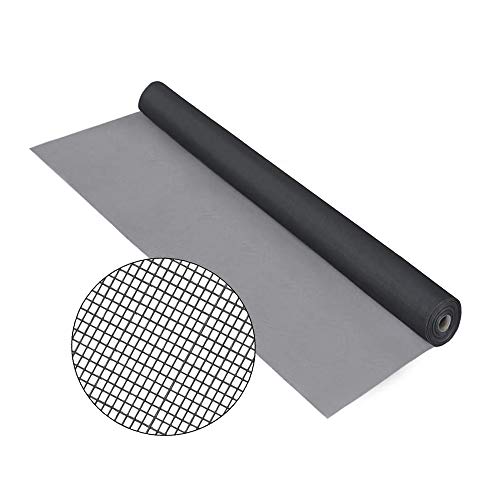
One effective strategy is to use decorative screens or room dividers. These not only provide privacy but also add a stylish element to your space. Positioning a screen or divider strategically can draw attention away from less appealing items while creating a more inviting atmosphere.
Another approach involves the strategic placement of plants. Tall greenery can act as natural barriers, softening the harsh lines of unsightly objects. Arranging an array of potted plants not only enhances the aesthetic but also introduces a refreshing element of nature into your decor.
Consider incorporating fabric or tapestry to camouflage pieces that disrupt visual harmony. Drape attractive throws or fabric over disfavored items, transforming them into part of your overall decor. This technique allows for a personalized touch while minimizing the visual impact of unwanted elements.
Utilizing shelving units can serve a dual purpose; they provide storage and offer a way to elevate less desirable aspects. By displaying curated decor items, you can effectively draw the eye toward attractive elements while subtly concealing unsightly pieces behind them.



Concealing Unappealing Interiors
Consider using oversized plants or artificial trees to break up the view and draw attention away from unsightly pieces. Arrange them strategically around the problem area to create a natural barrier.
Incorporating decorative screens can transform the space. Choose a design that complements existing decor and position it to obstruct the view of the less attractive items. Folding screens are particularly versatile.
Utilize textiles effectively. A vibrant throw blanket or a well-placed fabric can obscure unattractive surfaces and add warmth. Try layering textures by mixing fabrics, such as plush and woven, to create depth and intrigue.
Wall art serves a dual purpose; it distracts the eye while enhancing the overall aesthetic. Hanging a large statement piece close to the problematic item can divert attention. Opt for galleries with various frame styles for added interest.
Repurpose vintage crates or decorative boxes as storage solutions. Stack them creatively while concealing items inside, creating an attractive display that also serves a functional purpose.
Furniture covers or slipcovers allow me to change the appearance of chairs and sofas effortlessly. Select patterns or colors that resonate with the room’s theme for a cohesive look.
Consider lighting. Soft, strategically placed lamps can cast gentle shadows, minimizing the visibility of less desirable elements. Dimmer switches provide versatility in adjusting ambiance throughout the day.
Accessorizing with books, candles, and unique objects can redirect focus. Arranging these items on shelves or tables can create a curated look while concealing the unwanted aspects.
Using Slipcovers for Instant Makeover
Opt for slipcovers as a practical solution to transform outdated seating pieces. They can quickly breathe new life into a worn sofa or chair, providing a fresh look without expensive upholstery costs.
Choose a fabric that aligns with your room’s aesthetic, such as a durable cotton linen or a luxurious velvet. Neutral tones often create a calm atmosphere, while bold colors or patterns can energize the space.
Ensure a proper fit by measuring your furniture accurately. Many slipcovers have adjustable straps or elastic hems to keep them in place, preventing any unwanted shifting during use.
For an added layer of comfort and style, consider layering accessories like throw pillows or a cozy blanket on top of the slipcover. This creates a curated look and enhances the overall vibe of your living area.
Regular maintenance is straightforward; most slipcovers are machine washable, allowing for easy cleaning without hassle. This feature makes them ideal for households with children or pets.
Experiment with different styles, such as loose-fit for a casual feel or tailored options for a more polished appearance. Whichever you choose, slipcovers offer a functional and stylish approach to refresh older seating options.
Incorporating Decorative Throws and Pillows
For an instant refresh, I opt for decorative throws and pillows. These elements can dramatically alter the appearance of a chair or sofa while providing comfort and style.
Choosing the Right Textiles
Select materials that complement or contrast with your existing decor. Here are some pointers:
- Fabric Variety: Consider textures like velvet, cotton, or linen to add depth.
- Color Coordination: Choose shades that harmonize with the overall theme. Muted tones create tranquility, while bold colors add a pop.
- Patterns: Geometric designs or floral motifs can make a striking statement. Mix and match to create visual interest.
Layering Techniques
Layer throws and cushions for an inviting look:
- Base Layer: Start with a large throw draped across the back or seat. This sets the foundation.
- Cushion Arrangement: Place larger pillows in the back and smaller ones in front for dimension.
- Color Play: Alternate colors and patterns to avoid monotony.
Regularly shuffle these accessories to keep the space feeling new and exciting. With thoughtful selection and arrangement, transforming the look of seating becomes an effortless task.
Strategic Placement of Indoor Plants
To create an appealing visual environment, I place indoor plants strategically to draw attention away from undesirable elements in the space. Using taller plants like Ficus or Dracaena in corners can create height and cover awkward gaps. For lower profiles, I find smaller succulents or peace lilies work well on coffee tables or shelves, adding both texture and life.
Strategically position trailing plants such as pothos or ivy on high shelves or in hanging planters, creating an attractive cascading effect that naturally diverts focus. I make sure to vary the sizes and shapes of the pots to add interest.
Grouping plants in clusters gives an impactful statement. I typically use odd numbers, with varying heights and leaf textures, which enhances depth. Placing them near or around furniture that doesn’t fit the desired aesthetic draws the eye toward the greenery instead.
The console or side table is ideal for a combination of taller and shorter plants. This approach utilizes vertical space and keeps the arrangement looking curated rather than cluttered. I also ensure to consider the light requirements for each type, allowing them to thrive while complementing their surroundings.
| Plant Type | Ideal Placement | Benefits |
|---|---|---|
| Ficus | Corner spaces | Creates height, fills empty areas |
| Pothos | Hanging planters | Adds dimension and softness |
| Peace Lily | Coffee tables | Brings calmness, improves air quality |
| Succulents | Low shelves | Stylish and low maintenance |
By incorporating these practices, I effectively elevate the overall aesthetic and divert attention from elements I wish to redirect. The introduction of greenery not only enhances the visual appeal but also brings an inviting and refreshing atmosphere to the space.
Building Custom Furniture Screens
Constructing personalized screens can transform unattractive pieces into stylish accents. Here are the steps I recommend:
- Choose Materials: Select lightweight wood panels, fabric, or wicker as your base. Each material offers unique aesthetics and suitability for different spaces.
- Measure the Space: Determine the dimensions needed to cover the undesirable items precisely. This ensures your screens fit seamlessly and look intentional.
- Design the Structure: Sketch various layouts. Screens can be built as standalone panels or a series of connected pieces. Include hinges for flexibility.
- Decorate the Surface: Paint, stencil, or attach fabric to the screens. Use patterns or colors that complement your overall decor while drawing attention away from what’s behind.
- Install Hardware: If applicable, incorporate wheels or hooks to allow mobility or secure positioning. This function adds practicality while maintaining aesthetics.
- Accessorize: Enhance screens with plants, artwork, or string lights. These additions balance the visual weight and create a more inviting atmosphere.
Building your own privacy or decorative screens not only conceals less attractive aspects of your space but also lends a personal touch to your decor.
Utilizing Furniture Rearrangement Techniques
Rearranging elements in a room can dramatically transform its look. Begin by shifting larger pieces, such as sofas and chairs, into a new configuration. Placing a couch against the longest wall can create an inviting atmosphere while optimizing space. Ensure that pathways are clear for movement, allowing guests to flow through the area seamlessly.
Creating Zones
Define different areas within a room by organizing seating arrangements. For instance, if a space feels cluttered, moving a coffee table or side tables closer together can create an intimate conversation nook. I find it beneficial to incorporate an area rug to visually separate the sitting area from the rest of the room, adding comfort and warmth.
Layering Elements
Layering smaller pieces, such as tables, can also affect perspective. Stacking a decorative stool under a coffee table or layering a chic ottoman can introduce varying heights, redirecting focus. Pairing these elements with wall-mounted shelves for books or decorative accents can direct attention away from less appealing items.
Enhancing Ambiance with Lighting Solutions
Pair ambient and accent lighting to create a captivating atmosphere. Use floor lamps or table lamps with warm-toned bulbs to soften harsh elements in your space. Position these lights strategically to draw attention away from less appealing pieces.
Consider dimmable options for versatility. This allows you to adjust the brightness according to the mood or time of day, giving you control over the overall vibe of the room. Soft lighting can disguise imperfections effectively.
Incorporating string lights or LED strips around shelves can provide soft illumination and add artistic flair. This technique brings a modern touch while distracting from unwanted features.
Utilize mirrors to bounce light around the room. This not only brightens the area but can also visually expand the space. Placing a well-angled mirror opposite a light source maximizes this effect.
Highlight artwork or architectural elements with focused spotlights. This draws attention to desirable features, shifting focus from other areas. Using layered lighting creates a more dynamic space, enhancing both aesthetics and functionality.