
 Caleb Turner

For a chic look that adds depth, I recommend mixing a high-quality matte finish with a light tint of water-based pigment. This technique creates an elegant mist over the base color, enhancing the texture and details of the item. Choose a base coat that complements the existing hue, ensuring the resulting finish is harmonious and visually appealing.
Prior to application, ensure your surface is clean and free of dust. I usually wipe down the piece with a damp cloth, then allow it to dry completely. When mixing your product, aim for a consistency that is not too thick–this allows for an even application that settles into the crevices without overwhelming the underlying color.
Using a soft, bristle brush or a clean rag, lightly apply your mixture in long strokes. I find that working in small sections yields the best results. Be sure to wipe away any excess immediately, as this will help maintain a gentle, soft finish. With a little patience and practice, you can achieve a beautifully understated look that revitalizes any item.
Technique for Achieving a Soft, Muted Appearance on Surfaces
I recommend starting with a base of a lighter hue, allowing the original color beneath to subtly influence the result. Mix equal parts of water and your chosen light stain to create a translucent layer. Using a brush or cloth, apply this mixture evenly across the desired area. Wipe away any excess with a clean rag, focusing on highlighting contours and grain patterns.
Once the initial layer is dry, assess the coverage. If a more subdued effect is desired, repeat the application process, ensuring each layer dries completely before adding another. For an added touch of depth, consider using a fine sanding sponge after applying each coat, as this will soften the appearance and enhance texture.


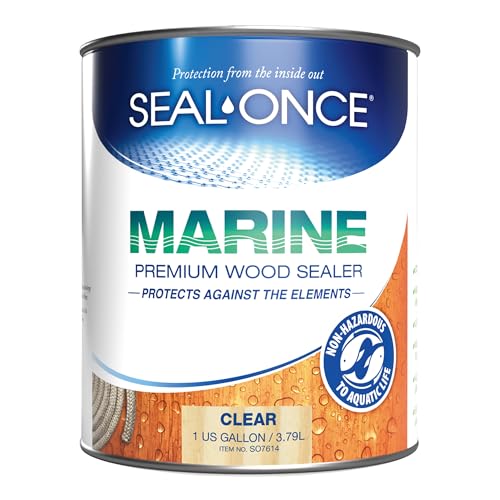
Experiment with different shades and combinations to achieve a customized look that suits the aesthetics of the space. Always apply a protective clear coat once satisfied with the color to ensure longevity and durability.
Selecting the Right Paint for Gray Washing
I recommend using a water-based acrylic or latex formula for this technique. They provide a smooth finish and are easy to manipulate. Look for options labeled as “semi-transparent” or “wash,” which allow the original surface to show through while adding a delicate tint.
Avoid oil-based alternatives; they tend to be too heavy and may obscure the texture of the base underneath. Choose a color that leans towards a muted or soft shade rather than a stark hue, ensuring it complements the underlying layer without overwhelming it.
If you’re working with distressed surfaces, a matte or satin finish is preferable. High-gloss varieties can detract from the desired appearance. Always test a small area with your selected product before proceeding to ensure it achieves the look you envision.
Dilution is key; mixing your chosen color with water in a 1:1 ratio typically yields optimal results. Experimenting with this mixture can help you achieve the transparency level you want. Doing this allows complete control over the final effect, giving you a more customized finish.
For additional guidance, consider using chalk-based mixtures for a softer, more rustic appearance. These paints often adhere well to various surfaces and allow for a unique texture that elevates the overall design.
Preparing Your Furniture for the Gray Wash Technique
I ensure thorough cleaning to eliminate dust, grease, and residue. A mixture of mild soap and water works well; I use a soft cloth for this task. After cleaning, I let the surface dry completely to avoid moisture issues during application.
Next, I assess for imperfections. If any scratches or dents are present, I lightly sand those areas to create a smooth base, taking care not to remove the underlying finish unless necessary. I always sand in the direction of the grain to maintain a uniform appearance.
Removing Existing Coatings
If my piece has a glossy finish, I use fine-grit sandpaper to scuff the surface, providing better adhesion for the new layer. I also check for old finishes that may not react well to new layers; stripping them completely might be essential in some cases. In this case, I apply a chemical stripper, following the manufacturer’s instructions carefully for safety.
Applying a Primer
I consider using a primer, especially if the wood has knots or is particularly porous. This step minimizes bleed-through from the wood and creates a uniform surface. I choose a water-based primer for easy cleanup and application. Once applied, I allow it to dry thoroughly before moving on to the main covering.
Mixing the Perfect Gray Wash Solution
I begin by gathering the necessary ingredients for my mixture. It typically consists of two main components: stain and water. I recommend using a water-based stain to simplify cleanup and ensure a smooth application.
Ingredients Ratio
- 1 part stain (preferably a light gray tone)
- 1-2 parts water (adjust according to desired translucency)
For example, I usually start with a 1:1 ratio for a more pronounced effect. If I need a softer look, I gradually increase the water until I achieve the right balance.
Testing the Mixture
Before I apply the solution to the entire surface, I test it on a hidden area or a spare piece of wood. This step is crucial as it allows me to see how it reacts with the underlying surface. Depending on the stain and wood type, I may change the ratio for optimal results.
Once satisfied with my test, I proceed to my main piece, applying the mixture with a brush or cloth. I prefer a rag for greater control, ensuring even coverage. This technique gives me the flexibility to build up the color gradually.
Applying the Gray Wash Evenly on Furniture Surfaces
Begin with a high-quality, natural bristle brush or a foam applicator for a smooth application. Dip the brush into your prepared mixture, ensuring not to overload it. Start from one edge, applying the blend with light strokes, working your way across the surface.
Techniques for Consistency
- Maintain a wet edge: This prevents streaks as you apply the solution. Overlapping wet sections ensures seamless blending.
- Use a damp cloth to wipe away excess mixture immediately for softer effects. This can create subtle highlights and shadows.
- Work in small sections: Focusing on a manageable area helps in maintaining control over the application, promoting uniform results.
Regularly check your progress from different angles to identify uneven application, adjusting as needed. If any spots appear too dark, gently wipe them with a damp cloth to lighten the intensity.
Finishing Touches
After applying the mix, allow sufficient drying time before adding a sealant. This step not only protects your work but also enhances the appearance of the finish. Once dried, inspect for any missed spots or areas that need more attention. A light touch-up can help achieve a flawless look.
Techniques for Creating Desired Texture with Gray Wash
To achieve a specific texture when applying a translucent finish, I recommend experimenting with different application tools. Brushes, rags, or even sponges can provide varied results based on the technique used. For a soft, blended texture, I prefer using a wide, flat brush. This allows for smooth strokes and even coverage.
For a more distressed look, I often opt for a rag or cloth. This method requires wiping away some of the mixture shortly after application, resulting in a more weathered appearance. It’s essential to work in sections to maintain control and consistency across the surface.
| Application Tool | Texture Result |
|---|---|
| Flat Brush | Smooth, blended effect |
| Rag | Distressed, weathered look |
| Sea Sponge | Unique, textured finish |
Adjusting the pressure while applying the mixture can further enhance the texture. Lighter pressure will allow more of the underlying color to show through, creating dimension. Conversely, pressing harder can saturate the surface, leading to a more opaque finish. Experiment with varying pressures and techniques on scrap pieces to find what best suits your style.
Lastly, consider layering. Applying multiple thin coats, allowing each to dry fully before adding the next, can produce depth and richness to the final look. This method also gives flexibility to control the overall intensity as I build the desired texture.
Allowing Proper Drying Time between Coats
For achieving a flawless finish on your project, I recommend respecting the drying time between layers. Typically, it’s advisable to wait at least 1 to 2 hours before applying the next coat. This duration can vary depending on the type of medium utilized and the climate conditions in your workspace.
Ensure that the surface is completely dry to the touch before proceeding. If you apply additional layers too soon, you risk lifting the previous coat, leading to an uneven texture and unsightly imperfections. Always perform a light touch test; if there’s any stickiness, give it more time.
In humid environments, I allow for an extended drying period, potentially up to 24 hours. Conversely, in arid conditions, drying times may be shorter, but erring on the side of caution is wise. Patience during this phase will yield a more refined appearance.
If possible, use a fan or dehumidifier to ensure optimal airflow and reduce moisture in the air. This not only speeds up drying but also prepares each layer for the following application. I advise keeping all necessary materials on hand, as this can help minimize delays when transitioning from one phase to another.
Sealing and Protecting Gray Washed Furniture
To ensure longevity and aesthetic appeal, applying a protective finish is key after completing the color treatment. My preferred choice is a clear polyurethane or a water-based sealer. These products offer durability while preserving the look of the base layer. I usually opt for a matte or satin finish, as this enhances the rustic vibe.
Application Techniques
Before sealing, ensure the surface is clean and free of dust. I use a high-density foam roller for even application, working in sections to avoid streaks. It’s crucial to apply thin layers, allowing adequate drying time–typically, I wait about two hours between coats. For maximum protection, I recommend applying at least two to three coats. In areas of high use, like tabletops, I might add an additional coat for enhanced resistance against scratches and moisture.
Maintenance Tips
Once sealed, maintaining the finish is straightforward. I clean the surface with a soft, damp cloth and avoid harsh chemicals that could damage the seal. To refresh the look over time, a light buff with a fine microfiber cloth can revive the sheen without needing a full reapplication of the protective layer.
Maintaining and Cleaning Gray Washed Finishes
Regular maintenance is key. I use a soft, damp cloth to wipe down surfaces, avoiding harsh chemicals that can damage the finish. For stubborn stains, a mixture of warm water and mild soap works well, but I ensure that the cloth is only slightly damp to prevent water damage.
When dealing with sticky residue, a mixture of vinegar and water provides an effective solution without compromising the integrity of the surface. I apply the solution gently with a soft sponge and immediately dry the area to prevent moisture penetration.
For preservation, I apply a coat of wax or a specialized furniture polish every few months. This enhances the luster and safeguards the surface from wear and tear. I always choose products free of silicones and petroleum, as these can adversely affect the finish over time.
Sunlight can fade colors; therefore, I avoid placing my pieces in direct sunlight. If I notice any discoloration, I consider using a specialized touch-up product that matches the existing tone, carefully blending it to minimize the appearance of repairs.
Lastly, I inspect joints and hardware periodically, tightening as needed to ensure stability and longevity. This proactive approach helps in maintaining the aesthetic appeal and structural integrity of my beautifully washed items.
FAQ:
What is gray washing in furniture painting?
Gray washing is a technique used to create a soft, muted finish on painted furniture. It involves applying a diluted gray paint or a wash made with water and paint over a base coat. This process allows the underlying color and texture to show through while giving the piece a more aged and weathered appearance. The result is a subtle, sophisticated look that can enhance the beauty of the furniture and fit well with various decor styles.
How do I prepare my furniture before gray washing?
Before gray washing your furniture, it’s important to prepare the surface properly. Start by cleaning the piece to remove any dust, grease, or old wax. If the furniture has a glossy finish, lightly sand it to help the new paint adhere better. Apply a base coat of paint in a color of your choice and allow it to dry completely. Once dry, you can proceed with the gray wash technique to achieve the desired effect.
What materials do I need for gray washing painted furniture?
To gray wash painted furniture, you will need the following materials: gray paint (preferably a latex or acrylic paint), water, a paintbrush or sponge, a mixing container for the wash, and rags for wiping off excess paint. Optionally, you may want to use a clear sealer or top coat to protect the finish after the gray wash has dried. Make sure to have sandpaper on hand for surface preparation if needed.
Can I gray wash over existing paint, or do I need to strip the furniture first?
You can gray wash over existing paint as long as the underlying surface is in good condition. If the current paint is chipped or peeling, you might want to consider sanding or stripping it to create a smooth base. However, if the paint is intact and you like the aesthetic, a gray wash can enhance the existing color without needing to remove it. Just ensure that the surface is clean and free of any dirt or grease before applying the wash.


