
 Caleb Turner
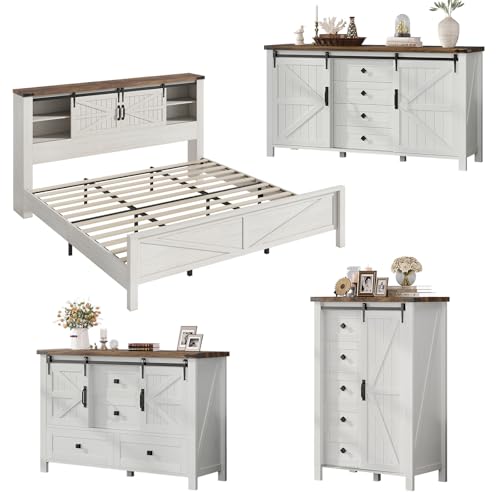
Begin by choosing pale, muted colors for your items. Shades like soft white, creamy beige, or gentle gray create a warm, inviting aura reminiscent of country homes. A fresh coat of paint can instantly alter the vibe of any piece.
Incorporate distressing techniques to add character. Light sanding on edges or applying a dry brush method can yield a weathered appearance, enhancing authenticity. Items that seem aged resonate more with a rural aesthetic.
Incorporate natural materials such as reclaimed wood, metal, or linen. For example, replace knobs and handles with wrought iron or rustic wood. Such choices complement the organic feel and enhance overall aesthetics.


Textures play a pivotal role. Layering throws, woven baskets, and earthy elements contributes to an inviting environment. Accentuating your space with handmade crafts or vintage finds will anchor the rustic theme.
Achieving a Rustic Aesthetic on Home Pieces
Choose soft, neutral colors as a base for your home pieces. Shades like cream, beige, and pale gray create a calming backdrop.
Incorporate natural materials. Wood, especially with a distressed finish, is key. Look for reclaimed lumber or pieces with a weathered appearance.
Opt for simple silhouettes. Furniture that features clean lines and minimal ornamentation aligns well with this style. Avoid overly ornate designs.
Include vintage or antique accents. Sourcing unique pieces from flea markets or thrift stores adds character and history to your settings.
Layer textures generously. Mix smooth fabrics with rough-hewn surfaces. Consider linen, burlap, and soft cotton for upholstered items.
Utilize functional decor. Items like woven baskets or metal containers not only serve a purpose but also enhance the rustic charm.
To finish, accessorize with plants. Incorporating greenery brings life to your spaces and complements the organic vibe of your decor.
Selecting the Right Materials for Authenticity
Reclaimed wood is a top choice for achieving an authentic aesthetic. I often source planks from old barns or pallets, as they carry unique knots and imperfections that add character. When choosing finishes, I prefer matte or low-sheen options to maintain a rustic feel; glossy surfaces detract from the aged and weathered appearance.
Metal accents, especially wrought iron or aged brass, complement wooden elements effectively. Incorporating vintage hardware, such as handles and hinges, can enhance the overall design. I find that these details tell a story and provide a historical touch, grounding the piece in its intended style.
For upholstery, natural fabrics like cotton, linen, or burlap resonate well. These textiles convey a casual and inviting environment. I often avoid synthetic materials which can appear too polished. When selecting colors, earth tones or muted shades echo a rustic landscape and can be paired with simple patterns like checks or stripes.
Lastly, consider incorporating natural stone or ceramic elements. Kitchen tops made from honed granite or farmhouse sink in fireclay can complete the vibe. Ensuring that every material tells a part of the narrative creates a cohesive and inviting presence that reflects a simpler, charming lifestyle.
Choosing a Color Palette Inspired by Farmhouse Style
Opt for muted and soft shades to create an inviting atmosphere. Whites, creams, grays, and pale blues evoke a sense of warmth and simplicity. These tones mimic the natural elements found in rustic settings.
Neutral Base Colors
Start with a neutral foundation. Consider using shades like off-white or light gray on larger pieces such as cabinets and tables. This choice not only enhances versatility but also allows for easy mixing with other hues.
Accent Colors
Incorporate subtle accent colors for character. Soft greens, dusty blues, or warm earthy tones like terracotta and mustard can breathe life into your space without overwhelming it. Use these for smaller accents, such as decorative items or upholstery, to maintain balance.
For a cohesive aesthetic, limit the color palette to three or four shades. This approach fosters harmony and prevents visual clutter. Don’t shy away from experimenting with textures in these colors, such as distressed finishes or matte surfaces, to add depth and richness to the environment.
Techniques for Distressing Wooden Pieces
Begin by selecting a method that aligns with the desired level of wear. Sanding is a reliable technique, where I recommend using a coarse grit sandpaper to wear down edges and surfaces. Focus on high-contact areas like corners and edges to mimic natural usage over time.
Chisel and Hammer Approach
A chisel and hammer allow for more dramatic effects. Lightly tap the wood with the chisel to create dents. Vary the intensity and depth of the strikes to add character and randomness. This adds authenticity that a simple sanding might not achieve.
Paint and Stain Layering
Apply several layers of paint or stain, then sand or strip them back. Use a dark base color and a lighter top coat for contrast. Once dried, sanding helps expose the darker hues beneath, generating a multi-dimensional effect. Further, consider using a wax finish for a semi-matte appearance.
| Technique | Description |
|---|---|
| Sanding | Use coarse grit sandpaper on edges and surfaces for a worn appearance. |
| Chisel and Hammer | Dent the wood by tapping with a chisel for genuine impact marks. |
| Layering | Multiple paint or stain layers create depth when sanded back. |
Finish by applying a protective topcoat to seal in the distressing effects. This ensures longevity while maintaining the rustic aesthetic.
Incorporating Vintage Hardware and Accents
Utilizing antique hardware can significantly enhance a rustic aesthetic in any piece. I recommend sourcing vintage knobs, pulls, and hinges at flea markets or online resale shops. These elements add an authentic touch that new hardware typically lacks.
Unique Details
Look for items with patina or signs of wear; these characteristics bring character. A cabinet with mismatched knobs creates an eclectic vibe while emphasizing individuality. I often choose materials like wrought iron or brass for their durability and visual appeal.
Creative Accents
Incorporating salvaged architectural elements, such as old door panels or window frames, can add depth and interest. Installing a vintage-style latch on a cupboard door can serve as both a functional and decorative piece. I also enjoy using repurposed wooden crates or boxes as storage solutions, keeping both functionality and charm intact.
Adding vintage artwork or signage can also compliment the overall theme. Look for faded prints or rustic frames to complete the design. These touches create a cohesive look that tells a story through each item.
Using Fabrics that Complement the Farmhouse Aesthetic
Opt for natural fibers like linen, cotton, or burlap for a genuine rustic appeal. These materials enhance comfort and add texture to various pieces. Consider layering different fabrics, such as a soft cotton throw over a linen armchair, for depth.
Choose earthy tones and muted patterns. Floral prints, plaid, or stripes work beautifully and evoke a cozy, welcoming atmosphere. Stick to a cohesive color scheme that includes creams, browns, and soft greens to maintain harmony across your space.
Utilize worn-in fabrics for an authentic feel. Vintage textiles, repurposed materials, or intentionally distressed items bring character and history to your environment. Upholster chairs with reclaimed farmhouse fabrics or use old quilts as wall hangings.
Pillows and cushions should be strategically placed for comfort and style. Consider mixing textures, such as pairing a rough-hewn burlap pillow with a plush, patterned cushion. This contrast adds visual interest to seating areas.
Incorporate table linens that reflect the casual yet refined nature of this aesthetic. A checkered tablecloth or simple cotton napkins can set an inviting dining scene, enhancing everyday meals with a touch of charm.
Finally, don’t underestimate window treatments. Light, sheer curtains allow natural light to filter through while providing a soft touch. Fabric shades in neutral tones can enhance both privacy and style, completing your design effortlessly.
Creating Contrast with Modern Elements
Integrating contemporary touches can elevate rustic aesthetics while maintaining charm. I choose sleek metal accents, like brushed nickel or matte black, to juxtapose warm wood tones. Simple fixtures or minimalist shelves can help achieve this balance.
Pairing Sleek Lines with Organic Shapes
Combining modern linear designs with rounded organic shapes can create visual interest. For example, a modern coffee table with straight edges can contrast beautifully with a vintage, distressed armchair. This approach draws attention to both styles without overwhelming the space.
Utilizing Bold Patterns and Textures
Incorporating geometric prints or modern textiles alongside traditional fabrics adds depth. I find that a contemporary rug with striking patterns under a classic wooden dining table creates an inviting focal point. Mixing textures, like a smooth leather with soft cotton, also enhances the space’s overall warmth.
Arranging Furniture for a Cozy, Inviting Atmosphere
Prioritize conversation areas by placing lounge chairs and sofas in a way that encourages interaction. I often position them in a U or L shape to create an intimate setting. Additionally, I ensure that seating is not too far from coffee tables, allowing for easy access to drinks and snacks.
Incorporate multifunctional pieces. Storage ottomans or benches can serve as seating while also providing hidden storage, helping maintain an uncluttered space. Using a large, comfortable area rug further defines the seating arrangement while adding warmth.
Elevate the atmosphere with layering. I combine different textures through the use of pillows and throws on sofas and chairs. This adds depth and comfort, inviting guests to settle in and stay awhile.
Lighting plays a significant role in creating a welcoming space. I blend natural light from windows with warm-toned lamps or sconces. Placing a few candles on side tables enhances the ambiance, especially during evenings.
Don’t overlook the layout’s flow. Ensure that pathways are clear, allowing for easy movement throughout the space. I avoid blocking entryways and keep furniture proportions scaled to the room size, opting for lighter pieces in smaller areas.
Finally, personal touches can enhance warmth. I display family photos or meaningful decor that reflects my personality, making the area instantly feel more inviting. Each element contributes to an overall sense of comfort, welcoming all who enter.
Accessorizing with Farmhouse-Inspired Decor
Incorporate natural elements like greenery to breathe life into any space. Consider placing potted herbs or succulents on shelves or tabletops for a fresh touch.
- Opt for vintage containers, such as mason jars or weathered wooden boxes, to house plants.
- Choose neutral-colored flower arrangements in rustic vases, avoiding overly bright colors.
Artwork plays a significant role in enhancing the aesthetic. Select pieces that reflect pastoral scenes, vintage typography, or nature themes. Use framed prints or canvas art with muted tones.
- Mix and match frame styles for a curated gallery look.
- Consider adding a large wall clock in an antique finish for functionality and charm.
Textiles contribute warmth and comfort. Cushions with plaid or stripes, alongside soft throws, create a cozy vibe. Layering different fabrics adds depth and interest.
- Incorporate burlap, linen, or muslin for window treatments, ensuring they filter natural light gently.
- Avoid synthetic materials; stick to natural fibers for authenticity.
Lighting should enhance the warmth and ambiance. Use vintage-inspired fixtures like wrought iron lanterns or pendant lights made from reclaimed materials.
- Install soft white bulbs for a warm glow.
- Consider adding dimmers to control brightness in the evening.
Finally, utilize personal touches. Display family heirlooms, handmade crafts, or local artisan pieces to reflect personality and stories.
- Curate a shelf with nostalgic items, such as an old typewriter or vintage books.
- Incorporate handmade pottery or artisanal pieces to support local artists.
Maintaining the Appearance Over Time with Proper Care
Regular cleaning is crucial. Use a soft, damp cloth to wipe away dust and grime. Avoid harsh chemicals that can damage finishes. A mild soap solution works well for deeper cleaning.
For wooden surfaces, apply a natural beeswax or furniture polish every few months. This nourishes the wood and helps protect it from moisture and scratches. Consider treating surfaces with linseed oil for added durability and a rich look.
Protection Against Wear
Place coasters under drinks and mats under hot dishes to prevent heat and moisture damage. Consider using felt pads on furniture legs to prevent scratches on flooring. Investing in furniture covers or throws can add an extra layer of protection during less frequent use.
Periodic Touch-Ups
Check for any scratches or chips in finishes and address them promptly. Touch-up markers or paint can help conceal imperfections. Distressing techniques can also be reapplied as needed to maintain an authentic appearance.


