Caleb Turner

Using warmth and a careful hand can make all the difference in tackling the residue left behind on your prized pieces. I recommend heating the affected area gently with a hairdryer on a low setting for 30 seconds. This softens the bond, making it easier to remove the sticky substance.
Once the surface is warm, use a plastic scraper or a credit card to gently lift the dried material without scratching the finish. Be patient and work slowly to avoid damaging the surface. If residue persists, applying a small amount of rubbing alcohol to a clean cloth can dissolve the adhesive without harming the wood. Always test any solution in an inconspicuous spot first to ensure it doesn’t alter the finish.
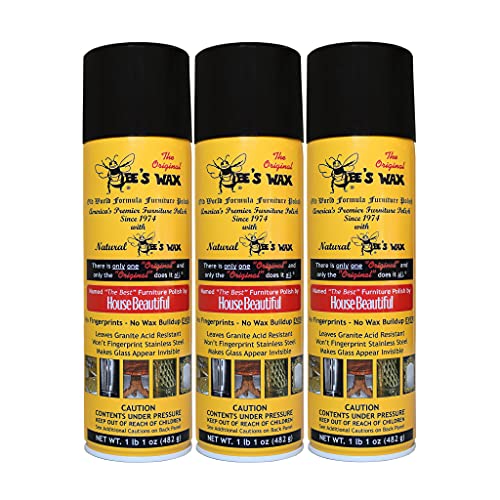
After removal, clean the area with a damp cloth to remove any remaining alcohol or debris. It might be wise to apply wood polish afterwards to restore shine and protect the surface. Keeping your furniture looking its best can be a straightforward task with the right technique and materials.
Assessing the Adhesive Type on Your Timber
Identifying the adhesive used is critical. If it appears glossy and hard, it likely resembles cyanoacrylate. Test a small area with acetone; if it softens, it’s a strong indication of this type. If a rubbery consistency is present, it could be an epoxy. In that case, isopropyl alcohol may prove effective in breaking it down.
Testing the Material
To ensure minimal damage to the surface, employ a cotton swab dipped in your chosen solvent. Gently rub the area to observe any reaction. If the adhesion loosens, that specific solvent is suitable. If not, proceed cautiously with a different approach.

Label and Instructions
Check product labels or research online for specific instructions related to the adhesive. Manufacturers often provide guidelines on removal methods tailored to their products. Adjust your approach based on the details you uncover.
Proper identification remains a fundamental step that influences the entire removal process. Choosing the right method protects the integrity of your item while effectively addressing the adhesion issue.
Preparing the Workspace for Safe Removal
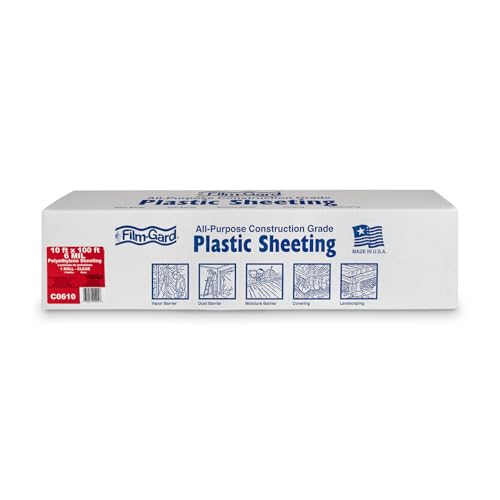
Clear the area around the piece to ensure no distractions or obstacles impede progress. Utilize a drop cloth or old newspapers to shield the surrounding surfaces from potential damage during the process.
Ensure proper lighting to enhance visibility. A well-lit workspace allows for precise application of removal methods without missing any stubborn spots.
Gather necessary tools and materials in advance:
- Soft cloths or paper towels
- Plastic scrapers or spatulas
- Mineral spirits or appropriate solvents
- Safety gloves
- Eye protection if using chemicals
Remove any decorative items or accessories from the area. This prevents accidental damage to personal belongings that may be near the workspace.
Consider ventilation. Open windows or use fans to promote airflow, especially if using solvents. This minimizes inhaling fumes and keeps the atmosphere comfortable.
Before beginning, don protective gear such as gloves and goggles, safeguarding skin and eyes from potential irritants or harmful substances.
Position the item securely. Stabilize it against a wall or on a flat surface to prevent any movement during treatment.
Choosing the Right Solvent for Adhesive Removal
To effectively remove the adhesive residue, select a solvent based on its composition and compatibility with the surface. Acetone is highly effective but may affect certain finishes. Test on a small area first to ensure it does not damage the underlying material.
Alternative Solvents
If acetone is unsuitable, consider using isopropyl alcohol or rubbing alcohol. These options are milder and less likely to harm finishes while still being effective at breaking down the bond. Vinegar can also be a surprisingly effective natural alternative, though its potency may vary.
Follow Precautions
Always ensure proper ventilation when using any solvent. Wear gloves to protect skin and avoid direct exposure to the fumes. Keep flammable materials away to maintain a safe environment. If in doubt about the right solvent, consult a professional before proceeding.
Applying Solvent Carefully to Avoid Damage
Prioritize a testing phase by applying a small amount of the chosen solvent on an inconspicuous area of the surface. This step ensures that the solution won’t alter the finish or color of the material.
Use a cotton swab or small cloth to apply the solvent, minimizing direct exposure to the surrounding areas. Employ a gentle touch, focusing on the adhesive without excessive pressure that could scratch or compromise the finish.
Allow the solvent to sit for a short duration, typically a minute, to loosen the bond effectively. Monitor the area closely, assessing any reactions such as discoloration or bubbling.
Once the adhesive begins to dissolve, carefully scrape it with a plastic spatula or a soft-bristled toothbrush. Avoid metal tools, as they can easily cause scratches.
After successful removal of the residue, clean the treated area with a damp cloth to eliminate any solvent traces. Follow up with a wood conditioner or polish to restore the surface’s original sheen and protect it from future wear.
Using Heat as a Method to Remove Adhesive
Applying heat is an effective technique for loosening the bond of a stubborn adhesive on surfaces. A hairdryer or a heat gun can be particularly useful in this situation.
Steps to Apply Heat
Follow these steps to effectively utilize heat:
- Set the device to a low or medium setting to avoid damaging the material.
- Hold the device about 6 inches away from the surface.
- Move the heat source back and forth to warm the area evenly.
- Test periodically by gently trying to lift the adhesive with a plastic scraper.
Safety Precautions
Always take precautions when working with heat. Ensure that the workspace is well-ventilated and remove any flammable materials nearby. Use protective gloves to avoid burns.
| Tool | Usage |
|---|---|
| Hairdryer | Use on low setting, effective for small areas. |
| Heat Gun | More powerful and suitable for larger sections but requires more caution. |
After applying heat, any remaining residue may be scraped away. If necessary, combine this method with a solvent for a more thorough clean-up.
Gently Scraping Off Residual Adhesive without Scratching
I recommend using a plastic scraper or a credit card to carefully remove leftover adhesive. This method minimizes the risk of damaging the surface while effectively lifting the residue. Hold the scraper at a shallow angle, working gently from the edges towards the center of the adhesive patch.
In cases of particularly stubborn residue, consider applying a small amount of the chosen solvent to the area. Allow it to sit briefly, then proceed with the scraping. Keep the pressure consistent, and avoid using metal tools, which can easily cause scratches.
If residue persists, my advice is to switch to finer abrasive options–such as a nylon scrubber or microfiber cloth–used with light pressure. Always test a small, inconspicuous area before applying more friction.
| Tool Type | Recommended Use |
|---|---|
| Plastic Scraper | Effective for lifting residue without scratching |
| Nylon Scrubber | Useful for stubborn adhesive with low risk of damage |
| Microfiber Cloth | Gentle option for final cleaning after scraping |
Rinse the area with a damp cloth once the adhesive is removed to ensure no solvent residue remains. Finally, dry the surface thoroughly to prevent moisture damage.
Cleaning the Affected Area After Removal
Once the adhesive has been removed, focus on cleaning the area thoroughly. Start by using a soft cloth or sponge slightly dampened with warm water to wipe the surface. This will help eliminate any solvent residue that may linger and potentially harm the finish of the item.
Deep Cleaning the Surface
For a more intensive clean, mix a few drops of mild dish soap with warm water. Dampen a cloth with this solution and gently scrub the area to remove any remaining debris and dirt. Rinse the cloth with clean water and go over the spot again to ensure no soap remains.
Restoring the Finish
After cleaning, it’s wise to apply a suitable wood conditioner or polish. This will help restore the original shine and protect the surface from future damage. Follow the product instructions carefully, applying it evenly with a soft cloth.
Protecting Wooden Furniture Against Future Adhesive Mishaps
Applying a protective finish can significantly reduce the risk of damage from future adhesive applications. I suggest using a high-quality polyurethane or lacquer to create a barrier that resists spills and blemishes.
Preventive Measures
- Choose a transparent sealant for enhanced visibility of the wood grain.
- Reapply the sealant annually to maintain optimal protection.
- Use coasters, placemats, or other protective items to shield surfaces from accidental drips or spills.
Storage and Handling
- Store adhesives in a designated area away from surfaces to avoid accidental contact.
- Utilize drop cloths or protective sheets during craft or repair projects.
- Keep children and pets away from areas where adhesive applications occur.
In the event of an adhesive accident, quick action can minimize potential damage. Recognizing the protective measures in advance ensures your surfaces remain pristine and lasting.