
 Caleb Turner

Rubbing alcohol is my go-to solution for eliminating adhesive remnants on wooden surfaces. Dampen a clean cloth with the alcohol and gently rub the affected area, ensuring to work with the grain of the wood to preserve its finish.
For tougher residues, a mixture of vinegar and water can be effective. I blend equal parts of both and apply it with a soft cloth, letting it sit for a few minutes to loosen the bond before wiping away any residue.
If neither of these methods works, I resort to using a plastic scraper to gently lift off the remaining bits without scratching the finish. It’s important to keep the scraper at a shallow angle to avoid damaging the wood.
Always remember to test any cleaning method on a small, inconspicuous area first to ensure there’s no adverse reaction. This precaution helps maintain the integrity and beauty of your wooden pieces.
Assessing the Type of Sticky Residue
Before tackling any adhesive remnants, I first identify the nature of the residue. Different substances require tailored approaches for removal. If the residue feels greasy, it’s often due to food oils or lotions, needing a degreaser approach. For water-based residues, like glue from tape or stickers, a damp cloth and mild soap might suffice.


Common Types of Adhesives
There are two broad categories of adhesives: natural and synthetic. Natural adhesives, such as those found in some tapes or labels, generally dissolve more easily with water. Synthetic variations may require solvents. I keep rubbing alcohol handy for cleaning plastics and synthetic residuals, while vinegar serves well for many natural adhesives.
Testing Removal Methods
I recommend spot-testing any cleaning solution on an inconspicuous area before widespread application. This ensures no discoloration or damage to the surface. Once the type of residue is determined, selecting the right method is crucial for an effective clean without harming the finish.
Choosing the Right Cleaning Solution
For optimal results, I select a cleaning agent tailored to the specific need. Water-based solutions are ideal for light residues, while oil-based products tackle more difficult challenges.
Here are some recommendations:
- Soap and Water: Combine mild dish soap with warm water. Use a soft cloth to gently wipe the area.
- White Vinegar: Mix equal parts of vinegar and water. This natural cleaner works well for adhesive residues.
- Rubbing Alcohol: Apply with a soft cloth for effective removal of tougher deposits.
- Commercial Adhesive Removers: Choose a product specifically designed for surfaces similar to your item. Follow the manufacturer’s instructions carefully.
- Peanut Butter: Surprisingly effective, the oils can break down certain adhesives. Apply and let sit before wiping away.
Always test any solution on a hidden area first to guarantee it will not damage the finish. I ensure the cleaning product aligns with the type of wood to maintain the integrity of the piece.
After applying the cleaner, I wipe the area with a damp cloth followed by a dry one to remove any excess liquid. This prevents moisture damage and keeps the surface pristine.
Applying Heat to Loosen Adhesive
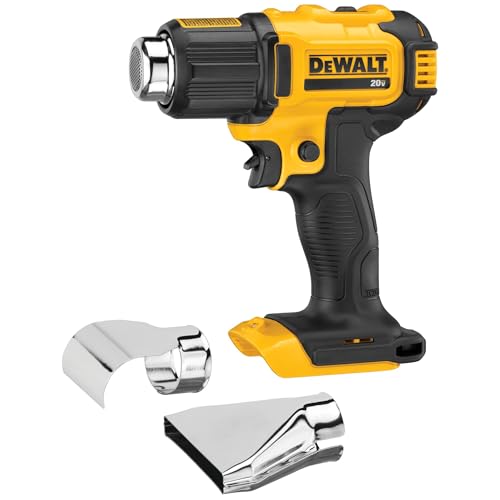
Utilizing heat is a practical way to loosen adhesive bonds. For this, I recommend using a heat gun or a hairdryer. Set the device to a low or medium setting to avoid damaging the surface of the material.
To proceed, hold the heat source about 6-8 inches away from the affected area. Move it continuously to distribute heat evenly, focusing on one section for about 30 seconds to one minute. Check the adhesive, and if it’s softening, gently scrape it away with a plastic scraper or a soft cloth. Avoid metal tools, as they can scratch or dent the surface.
If a heat gun is unavailable, a damp cloth heated in the microwave can serve as an alternative. Microwave the cloth for about 30 seconds, ensuring it’s warm but not too hot to handle. Apply it directly over the residue and let it sit for a few minutes before attempting to wipe or scrape away the softened material.
Always test the heat application method on a hidden area first. This precaution helps to ensure that the finish or stain remains unaffected. If you notice any adverse reactions, consider using a cooler temperature or trying a different method.
| Tool | Method | Considerations |
|---|---|---|
| Heat gun | Hold 6-8 inches away and move continuously | Use low/medium heat; avoid contact with surface |
| Hairdryer | Similar to heat gun; focus on one spot for 30 sec | Ensure airflow is not directed at a single spot for too long |
| Warm cloth | Apply to residue; leave for a few minutes | Test temperature before use; avoid burns |
This method effectively reduces adhesive grip and makes removal significantly easier, protecting the integrity of the underlying surface.
Using Scrapers and Sponges Safely
Always hold a scraper at a low angle to the surface, which minimizes the risk of damaging the finish. I prefer using plastic scrapers, as they are less likely to scratch compared to metal options. When engaging the blade, apply gentle pressure, gradually increasing if necessary to remove residual material without gouging the texture.
To prevent scratches, I utilize a microfiber sponge or cloth alongside the scraper. Make sure the sponge is dampened with an appropriate cleaning solution, ensuring it is not soaking wet to avoid water damage. I gently rub the area, allowing the solution to work while using the scraper on tougher spots.
Take care to move systematically across the surface, working in small sections to keep track of progress and ensure thorough cleaning. Always check the area under the scraper after each pass to avoid accumulation of debris, which can hinder efficiency and potentially mar the surface.
After scraping and wiping down with the sponge, I recommend checking the finish for any signs of damage or dullness. If necessary, I usually apply a wood polish or conditioning agent to restore the protective layer and legitimate sheen. This step helps maintain the integrity of the surface while enhancing its appearance.
Testing Cleaning Solutions on Hidden Areas
Before applying any cleaning agent on visible surfaces, I recommend testing it in inconspicuous spots. This helps to ensure that the product won’t cause discoloration or damage to the finish.
Steps for Testing
- Select a small area: Choose a corner or back edge that remains out of sight during regular use.
- Apply the cleaner: Use a cotton swab or soft cloth to apply a small amount of the chosen cleaning solution.
- Wait: Allow the cleaner to sit for a few minutes–five is generally sufficient.
- Wipe and observe: Gently wipe the area with a clean, damp cloth and check for any adverse reactions.
- Assess the results: Ensure that there’s no fading, discoloration, or damage. If everything appears intact, proceed with the cleaning process on the visible areas.
Importance of Choosing the Right Spot
Testing in a less visible location enables me to gauge how the cleaning agent interacts with the finish without risking visible surfaces. This proactive approach saves time and potential regrets over irreversible damage.
- Wood surfaces vary greatly in terms of treatment and finish; understanding how they react can prevent costly mistakes.
- Different cleaning solutions can react differently; what works on one type may damage another.
- Document the results for future reference, especially if multiple surfaces require cleaning.
Wiping and Rinsing Thoroughly
After addressing the adhesive issue on your surface, it’s crucial to ensure all residue and cleaner are fully removed. I use a microfiber cloth dampened with clean water to wipe down the area meticulously. This technique effectively lifts any cleaning solution or leftover particles that could mar the finish.
Rinsing Technique
I find that rinsing the cloth regularly is vital to avoid spreading any grime back onto the surface. I wring the cloth out to keep it damp but not dripping, ensuring I maintain control while cleaning. For larger areas, I might opt for two cloths: one for cleansing and another for rinsing.
Final Inspection
Once I’ve wiped the area clean, I allow it to air dry completely. Afterward, I perform a thorough inspection under different lighting conditions. This helps identify any missed spots or streaks requiring additional attention. If necessary, I follow up with another gentle wipe to guarantee a pristine finish.
Applying Wood Conditioner After Cleaning
Once the surface is free from residues, applying a wood conditioner is crucial for restoring moisture and enhancing appearance. Choose a conditioner that matches the finish of your item. I like to use a product that is compatible with the particular type of wood, whether it’s pine, oak, or mahogany.
Before applying, ensure that the surface is completely dry. I use a clean, lint-free cloth to distribute the conditioner evenly. A small amount goes a long way; I typically start with a few drops and increase as necessary. Working in the direction of the grain maximizes absorption and minimizes streaks.
Allow the conditioner to sit for about 15-30 minutes. During this time, I often wipe away any excess with a fresh cloth to prevent buildup. If needed, a second application can be made for deeper penetration and improved protection.
After conditioning, let the piece sit for at least an hour, or ideally overnight, before using or placing items back on it. This allows the product to properly penetrate and cure, ensuring longevity and a vibrant finish.


