Caleb Turner

White vinegar offers an excellent solution for tackling corrosion on your outdoor metallic seating. Pour the vinegar into a spray bottle, apply it liberally to the affected areas, and let it rest for 30 minutes. This acidic environment helps in breaking down the corrosion.
To assist the vinegar in its task, use a scrub brush with stiff bristles after the waiting period. Gently scrub the surfaces, paying attention to the crevices where deterioration is likely to accumulate. Rinse thoroughly with water and dry completely to prevent further damage.
If vinegar isn’t available, a paste made from baking soda and water can serve as an alternative. Apply the paste directly on the corroded spots, allow it to sit for at least 15 minutes, then scrub and rinse as previously advised to reveal clean, rejuvenated surfaces.


Removing Oxidation from Metallic Outdoor Seating
I recommend blending equal parts of baking soda and water to form a paste. Apply this mixture to the affected areas using a cloth or sponge. Allow it to sit for 15-20 minutes before scrubbing with a brush.
Another effective option is white vinegar. Spray it directly onto the corroded surfaces and let it soak for about half an hour. The acidity will help break down the corrosion.
For more persistent stains, consider using a store-bought rust remover. Ensure to follow the manufacturer’s instructions carefully for optimal results.
After treating the corrosion, rinse the surfaces thoroughly with water to remove any residue. Dry them with a clean towel to prevent future issues.
Once the surfaces are clean, applying a protective coating such as enamel or specialized spray can help preserve the finish and prevent recurrence.
- Always wear protective gloves while handling any chemical agents.
- Testing any cleaning method on a small, inconspicuous area is advisable.
- A well-ventilated area enhances safety when using stronger cleaners.
Identify the Type of Metal Furniture
First, I determine whether the item is aluminum, wrought iron, or steel. Each type requires a different approach for maintenance and rejuvenation.
Aluminum is lightweight and rust-resistant. It’s often found in modern designs. If I spot a white, powdery residue, it’s likely oxidation, not corrosion, which can be cleaned easily with a gentle scrub and mild detergent.
Wrought iron is heavier and durable, but susceptible to corrosion if the protective coating wears off. I check for signs of pitting or flaking paint. If corrosion is present, I sand these areas and apply a rust-inhibiting primer followed by matching paint.
Steel, particularly if untreated, is prone to deterioration. It may show signs of orange-brown spots indicating corrosion. I ensure to remove these spots completely, using a wire brush, and follow up with a protective coating to prevent future issues.
Understanding the type of metal helps me choose the most suitable cleaning and restoration method, ensuring the longevity of my outdoor seating and surfaces.
Gather Necessary Tools and Materials
I recommend collecting the following items to ensure the removal process is smooth and effective. First, secure a pair of safety gloves to protect your hands from any sharp edges or chemical exposure. A dust mask will help prevent inhalation of particles while working.
Cleaning Supplies
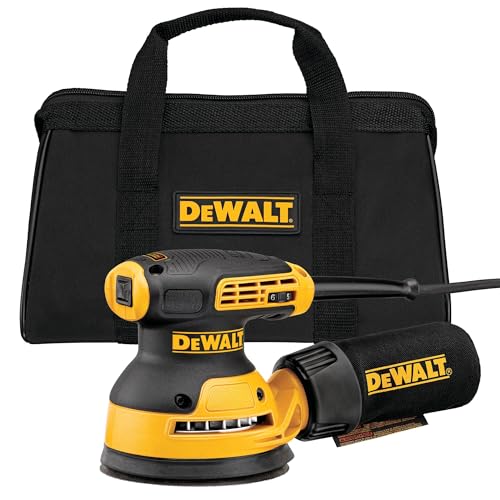
A wire brush or metal scraper will be essential for loosening corrosion. If working with stubborn patches, consider a power sander with appropriate grit sandpaper. For less aggressive cleaning, fine-grade steel wool can be effective.
Protective Solutions
A rust converter product offers a way to stop corrosion in its tracks, while primer paint specifically designed for metal ensures a strong base for any topcoat. Don’t forget a quality outdoor paint to finish the surface, enhancing both appearance and durability.
Additionally, a bucket of soapy water and a clean cloth will aid in the cleanup process, ensuring the area remains tidy. With these tools and materials, I feel confident in tackling the task efficiently.
Remove Loose Corrosion with a Wire Brush
Using a wire brush is an effective method to eliminate flaking and loose corrosion from surfaces. Here are the steps I follow:
- Choose a sturdy wire brush with bristles suited for the furniture material. Brass or stainless steel bristles work well for softer metals and painted surfaces.
- Put on safety glasses and a dust mask to protect your eyes and lungs from debris.
- Firmly grip the brush and begin scrubbing the corroded areas. Use circular motions or back-and-forth strokes to dislodge the flaky deposits.
- Apply more pressure on heavily affected sections but ensure you don’t damage the underlying material.
- Check your progress frequently to prevent excessive wear on the surface or paint.
- Once the loose particles are removed, wipe the surface with a damp cloth to collect any remaining dust and debris.
This approach not only prepares the furniture for further treatment but also enhances its overall appearance.
Apply Rust Remover Solution
I recommend selecting a commercial rust remover or a homemade vinegar and baking soda mixture for treating the affected surfaces. If using a commercial product, carefully follow the manufacturer’s guidelines to ensure safety and optimal results.
For the homemade solution, combine one cup of white vinegar with two tablespoons of baking soda, stirring until a paste forms. Apply this paste directly onto the corroded areas using a paintbrush or cloth, ensuring an even coating. Allow the mixture to sit for approximately 30 minutes to penetrate and break down the corrosion.
After waiting, take a clean cloth or a soft sponge and scrub the applied area gently. For more stubborn spots, a nylon scrub pad can help, but avoid abrasive materials that might scratch the surface. Rinse thoroughly with water to remove any remnants of the remover and pat dry with a towel to prevent moisture accumulation.
If necessary, repeat the application until the surface appears clean and free of corrosion. Once satisfied, consider applying a coat of protective sealant or paint to prevent future deterioration.
Sand Down Remaining Rust Spots
I recommend using sandpaper or a power sander for this task. Choose a medium to coarse grit sandpaper (around 80 to 120 grit) depending on the severity of the corrosion. With sandpaper, wrap it around a sanding block for better control. If using a power sander, ensure it’s on a low setting to avoid damaging the underlying surface.
Focus on the areas where the corrosion remains after applying the rust remover. Work in small sections, applying even pressure to effectively eliminate any persistent surface oxidation. It’s important to sand in a circular motion or follow the contours of the furniture.
Steps to Follow
- Wet the sandpaper slightly to reduce dust and improve abrasive action.
- Sand until the area feels smooth and is free of remnants of corrosion.
- Check for sharp edges; if any exist, lightly smooth them out as well.
- Clean the dust from the surface with a damp cloth before proceeding to the next step.
Safety Precautions
Always wear protective goggles and a dust mask to avoid inhaling particles. Proper ventilation is also key. If using a power tool, ensure your workspace is free of debris and that you follow the manufacturer’s safety guidelines.
| Tool | Purpose |
|---|---|
| Sandpaper (80-120 grit) | Remove remaining oxidation |
| Sanding block | Improve grip and control |
| Power sander | Efficiently sand larger areas |
| Dust mask | Protect lungs from particles |
| Protective goggles | Shield eyes from dust and debris |
After sanding, ensure all surfaces are clean and ready for the next stages of preparation before applying any protective coatings or paint. This thorough approach guarantees a longer-lasting finish for your furnishings.
Clean the Surface After Rust Removal
Ensure a thorough cleaning of the surface after eliminating oxidation. Begin with warm water and a mild detergent to remove any remaining residues, grease, or dirt. Use a soft cloth or sponge to apply the solution, making sure all areas are addressed.
After washing, rinse the entire piece with clean water to avoid soap residue. Let it dry completely in a well-ventilated area. If necessary, consider using a microfiber cloth to absorb moisture, which minimizes streaks and water spots.
Final Touches
Inspect for any missed spots or stains. If present, lightly sand the area with fine-grit sandpaper and clean again. This ensures a smooth and even surface for further treatment or protective coating.
Table of Recommended Cleaning Materials
| Material | Purpose |
|---|---|
| Warm Water | Base for cleaning solution |
| Mild Detergent | Breaks down grease and residue |
| Soft Cloth or Sponge | Gentle cleaning without scratching |
| Microfiber Cloth | Absorbs moisture and prevents streaks |
Finally, consider applying a protective finish to prevent future deterioration. Regular maintenance will keep your items looking new and extend their lifespan.
Prevent Future Rust with Protective Coatings
Applying a protective coating is key to safeguarding your outdoor pieces against moisture and corrosive elements. Select one of the following methods for effective long-term defense:
Types of Protective Coatings
- Paint: Use exterior-grade enamel or anti-corrosive paint specifically designed for metals. This option creates a durable barrier that resists moisture.
- Clear Sealants: A transparent sealant can be effective for preserving the original look of your furniture while providing a protective layer.
- Galvanization: Consider having your items galvanized for the ultimate protection against oxidation. This process involves coating the surface with a layer of zinc.
Application Process
- Ensure the surface is clean and dry before applying any coating.
- Follow the manufacturer’s instructions for mixing and applying your chosen product.
- Apply several thin coats, allowing adequate drying time between applications for maximum effectiveness.
- Regularly inspect the coating for signs of wear or damage, and reapply as needed.
These steps will significantly extend the lifespan of your outdoor pieces and minimize future deterioration. Regular maintenance combined with a reliable coating will keep your investment looking fresh for years to come.
Maintain Outdoor Furniture Seasonally
Inspect the structure every season for any signs of wear or damage. Check for missing screws, loose fasteners, or any wear on the frames. This proactive approach extends the lifespan of the items significantly.
Cleaning Routine
Develop a cleaning schedule. Use a soft cloth or sponge with mild soap and water to wipe down surfaces, removing dirt and debris. Rinse thoroughly with water to avoid any residue that might lead to staining or tarnishing.
Storage Techniques
When the weather turns unfavorable, store items in a dry, covered area or use protective covers. This protects them from direct exposure to rain, snow, and UV rays, which can lead to deterioration over time.
Apply a protective sealant every few months to create a barrier against the elements. Options can include wax or specific sprays designed for outdoor items, ensuring they remain intact and visually appealing.
Dispose of Rust-Affected Parts Properly
Remove any components that are severely corroded and cannot be salvaged. Check with local waste management regulations to ensure responsible disposal. Metal parts often can be recycled; check with local recycling centers for guidelines.
Recycling Options
Many municipalities offer scrap metal collection. Identify local facilities that accept ferrous and non-ferrous metals. If the parts are in good enough condition, consider donating them to community projects or local artisans who can repurpose them.
Hazardous Waste Management
For items treated with chemicals or containing hazardous materials, consult your local hazardous waste facility on proper handling. It’s crucial to follow regulations to prevent environmental contamination. This ensures that both personal safety and local ecology are maintained.
Clean up any debris resulting from the removal process to maintain a safe working environment. Regularly inspect surrounding areas to prevent future issues from arising.