
 Caleb Turner
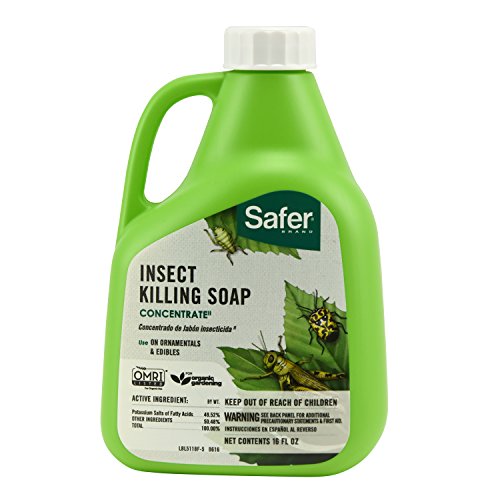
I found that the first step in tackling these unwelcome guests on my outdoor seating is to wash the surfaces thoroughly. Using a mixture of warm water and mild soap, I scrub every inch to dislodge any lingering pests. A good handshake with a stiff brush works wonders, ensuring that no residue is left behind.
Next, I apply a solution of neem oil, diluted according to package instructions. This natural remedy not only targets the unwanted visitors but also helps in nourishing the surfaces. I spray it generously, paying close attention to all nooks and crannies where these beings might hide.
Additionally, I invest in a high-pressure washer for a more thorough clean when necessary. The force of the water can be quite helpful in dislodging these pesky insects. After cleaning, I always remember to allow everything to dry completely, ensuring that the surfaces remain inhospitable to any future invaders.
Maintaining cleanliness is essential; I regularly check for signs of invasion and promptly address them. Surrounding the area with natural predators, such as ladybugs, can also help keep the population down. By staying vigilant and proactive, I can enjoy my outdoor space without the nuisance of these tiny creatures.
How to Eliminate Spider Mites on Outdoor Seating
To tackle these tiny invaders, I recommend mixing a solution of water and dish soap in a spray bottle, using a ratio of about 2 tablespoons of soap per quart of water. Focus on applying the mixture directly to affected areas on the seating. Be thorough, ensuring both the tops and undersides of surfaces are treated.


Following the soap application, rinsing the furniture with a hose can help wash away any residue and dead pests. After rinsing, leave the furniture to air dry in the sun, as UV light can help eliminate remaining eggs or residues.
Introduce natural predators like ladybugs or predatory mites. These beneficial insects can effectively manage pest populations. You may find these insects at garden centers or online.
Regular maintenance is vital. Wipe down the surfaces weekly to remove dust and debris, which can harbor pests. Additionally, consider placing yellow sticky traps nearby; these traps attract and catch adult pests before they can establish colonies.
If infestations persist, apply neem oil or horticultural oil, which suffocate the insects while generally being safe for plants and surfaces. Follow the manufacturer’s instructions for application frequency and dilution.
Identifying Mites on Your Outdoor Seating
Check for fine webbing on surfaces; this is a key sign of infestation. Look closely at the undersides of cushions and frames, focusing on corners where dust may accumulate.
Visual Signs to Look For
Pay attention to tiny, moving dots. These can range in color from green to red, often hard to spot without magnification. Yellowing or stippling of leaves might also indicate their presence.
| Common Signs | Observation Tips |
|---|---|
| Fine webbing | Inspect chair legs and armrests for silk strands |
| Small, colored specks | Use a magnifying glass to examine surfaces |
| Yellowing or mottled leaves | Check plant foliage nearby, as they may spread |
Where to Examine
Focus on sheltered areas where moisture gathers, such as beneath seats or in gaps around frames. Regular checks can help catch an infestation early before it escalates.
Preparing Your Furniture for Treatment
I always begin by clearing the area around the seating and tables, removing any loose items, decorations, or cushions. This helps create an unobstructed workspace and prevents clutter from interfering with the cleaning process.
Next, I use a soft brush or a vacuum with a brush attachment to gently remove dust, debris, and any visible pests from the surface. This step is crucial; it ensures that treatment products can penetrate the surfaces effectively.
Afterward, I thoroughly wash the pieces with a mixture of mild soap and water. This removes any remaining residues and provides a fresh base for the treatment. I focus on crevices and seams where unwanted organisms often hide.
Post-cleaning, I let everything dry completely in direct sunlight. Drying is essential, as moisture can hinder the effectiveness of most treatment solutions.
| Steps | Details |
|---|---|
| Clear the Area | Remove all items surrounding the seating and tables. |
| Brush/Vacuum | Use a soft brush or vacuum to eliminate dust and visible pests. |
| Wash with Soap | Clean surfaces using a mild soap and water mixture. |
| Dry Completely | Allow pieces to dry fully in sunlight. |
By following these steps, I prepare everything effectively for the subsequent treatments, maximizing their potential for success.
Choosing the Right Miticide for the Job
Opt for commercially available miticides specifically formulated to target these invaders. These products typically feature active ingredients like azadirachtin, insecticidal soap, or mineral oil. Each option offers distinct mechanisms of action, thus understanding their properties is crucial before application.
Active Ingredient Options
- Azadirachtin: Derived from neem oil, this natural compound disrupts the growth and reproduction of pests. It’s less harmful to beneficial insects, making it suitable for outdoor environments.
- Insecticidal Soap: This option suffocates pests upon contact. It effectively removes webbing and is often safe for various surfaces, but may require repeated applications.
- Mineral Oil: Functions by smothering targets. It also helps in protecting treated surfaces from future infestations.
Application Guidelines
- Read and follow the manufacturer’s instructions meticulously for dosage and application frequency.
- Test the product on a small, inconspicuous area first to ensure compatibility with your surface.
- Apply during early morning or late evening to enhance effectiveness, minimizing the risk of evaporation.
Consider integrating miticides with preventive measures like regular cleanings and inspecting your items to maintain a pest-free environment. This holistic approach ensures longevity and protection against re-infestations.
Applying Miticides Safely and Thoroughly
Always wear protective gear, including gloves, goggles, and a mask, while handling any pesticide. This will minimize the risk of chemical exposure. Before I apply the selected product, I ensure that the area is well-ventilated to prevent any harmful inhalation of fumes.
Preparation Steps
First, shake the miticide container well to ensure proper mixing of active ingredients. Then, pour the required amount into a sprayer, adhering strictly to the manufacturer’s dilution instructions. I prefer using a pump sprayer for even coverage, as it allows me to control the flow and adjust the pressure based on surface texture.
Application Techniques
Spray only on dry surfaces during the early morning or late evening when beneficial insects are less active. Maintain a distance of about 12-16 inches from the target area while spraying to ensure an even coat. Pay particular attention to the undersides of leaves and other crevices; these areas often harbor hidden invaders. After application, I avoid rain or watering for at least 24 hours to allow the treatment to penetrate effectively.
After treating the area, I clean all equipment thoroughly to prevent cross-contamination. Also, I document the application date and product used; this helps in managing future treatments and understanding the efficiency of the chosen solution.
Using Natural Remedies as Alternatives
I recommend trying neem oil as an excellent option for control. Mix two tablespoons of neem oil with one gallon of water and a few drops of liquid soap. Apply this solution directly to affected sections, ensuring thorough coverage of both upper and lower leaf surfaces. Repeat every 7 to 14 days until the situation improves.
Homemade Soap Solution
<p.A mixture of water and liquid dish soap can also be effective. Combine one tablespoon of soap with one quart of water, and spray the solution on the infested areas. This mixture disrupts the outer layer, ultimately leading to the demise of these nuisances. Repeat treatments weekly as needed.
Essential Oils
Utilizing essential oils like peppermint or rosemary may deter these invaders. Fill a spray bottle with water and add 10-15 drops of your chosen oil. Apply it generously on surfaces where signs of infestation appear. The scent masks natural food sources, making it challenging for them to thrive.
Implementing Regular Maintenance and Cleaning
To maintain a healthy outdoor space and prevent infestations, I make it a point to schedule routine upkeep. Regular cleaning of surfaces can significantly minimize the chances of pests establishing themselves.
Here’s my approach to consistent maintenance:
- Frequent Wiping: I use a soft cloth or sponge with a mild soap solution to wipe down all surfaces weekly. This action removes debris and dust where pests might thrive.
- Vacuuming: I vacuum cushions and fabric elements using a handheld vacuum to eliminate any hidden invaders. I ensure to reach seams and folds thoroughly.
- Deep Cleaning: Monthly, I perform a more thorough clean with a pressure washer if applicable. This helps dislodge any residues that might attract unwanted guests.
In addition to regular cleaning, I also ensure that I:
- Inspect Surroundings: Each time I clean, I take a moment to examine nearby plants and shrubs for early signs of invasion.
- Store Items Correctly: When not in use, I store items in sealed containers or covers to shield them from potential airborne threats.
- Maintain Plant Health: I regularly check the health of nearby vegetation, as stressed plants can attract nuisances.
This ongoing effort not only shelters my outdoor area from infestations but also contributes to prolonging the lifespan of the materials I use outdoors.
Understanding the Life Cycle of Spider Mites
To effectively address the issue of these pests, I focus on their life cycle. Knowing the stages helps in planning timely interventions. The life cycle consists of four primary stages: egg, larva, protonymph, and deutonymph, followed by adults.
Egg Stage
The process begins with tiny eggs, often laid on the undersides of leaves or concealed in crevices. They are oval and usually transparent. These eggs hatch within 3 to 10 days, depending on environmental factors like temperature and humidity.
Immature Stages
Upon hatching, the larvae emerge with six legs. This stage lasts about 3 days before progressing to the protonymph stage, where they develop two additional legs. Protonymphs can also last 2 to 5 days before maturing into deutonymphs, which have similar characteristics as adults. The transition between immature stages is rapid, especially under warm conditions.
Adulthood arrives within 7 to 14 days after the eggs are laid. Adult pests reproduce quickly, with females able to lay up to 20 eggs per day. This rapid reproduction means that a small infestation can escalate quickly if not managed promptly.
By understanding these stages, I can more effectively time treatments and reduce populations before they become overwhelming. Regular monitoring and interventions at the right life stages increase the chances of successful management.
Monitoring for Reinfestation After Treatment
I regularly inspect my outdoor seating areas weekly, focusing on the undersides of cushions and any crevices where these pests might reappear. Visual checks help identify any signs of renewed activity, such as tiny webs or speckled discoloration on surfaces.
Using a magnifying glass gives me a clearer view of suspected areas. I look for any tiny, dot-like creatures that could indicate a resurgence. Consistency in monitoring prevents potential outbreaks from going unnoticed.
I also keep track of environmental conditions. Changes in humidity and temperature can influence their life cycle and survival. After treatment, I adjust my surveillance frequency based on seasonality, increasing it during warmer months when these pests thrive.
If I notice any signs of infestation, I swiftly repeat the treatment process. Addressing reinfestation immediately minimizes damage and keeps my outdoor areas enjoyable. Combining monitoring with preventive measures helps ensure a pest-free experience year-round.
I document my findings and treatment progress to refine my approach over time. Keeping a record of effective products and methods aids in future management and helps me anticipate and combat potential challenges efficiently.
Preventive Measures to Avoid Future Infestations
I recommend implementing specific strategies to minimize the chances of future invasions. Regularly inspect surrounding plants for signs of infestation, ensuring that any affected vegetation is treated promptly to prevent spread.
Effective Cleaning Routine
- Dust and clean your outdoor seating and tables weekly using a microfiber cloth to eliminate eggs and debris.
- Utilize a hose to wash off any dirt or organic material, enhancing the overall cleanliness of your outdoor areas.
Environmental Adjustments
- Avoid overcrowding plants close to seating areas; ensure adequate spacing for air circulation.
- Limit the use of synthetic fertilizers, as they can encourage pest populations. Opt for natural fertilizers instead.
- Consider planting companion plants that deter pests, such as marigolds or lavender, around your gathering spaces.
Keeping your outdoor environment healthy and clean will significantly decrease the likelihood of future pest problems. Always remain vigilant and proactive in your maintenance efforts.
FAQ:
What are spider mites and what damage do they cause to patio furniture?
Spider mites are tiny pests that belong to the arachnid family. They are often found in warm, dry environments and can be particularly problematic for outdoor spaces. These mites feed on plant sap, which can weaken the plants and furniture that they infest. On patio furniture, spider mites may leave behind fine webbing and small yellow or brown spots as they feed. Over time, if left untreated, they can lead to discoloration and deterioration of the furniture materials.
How can I identify if my patio furniture has a spider mite infestation?
To identify a spider mite infestation on your patio furniture, look for several key signs. First, inspect for tiny webs, which are often more noticeable on the undersides of chairs and tables. Second, check for tiny yellow or white dots on the surface, which indicate where the mites have been feeding. Additionally, if you notice a decline in the appearance or health of surrounding plants, this could also suggest the presence of spider mites nearby, as they often spread from plants to furniture.
What natural remedies can I use to get rid of spider mites on patio furniture?
Several natural remedies can help eliminate spider mites without using harsh chemicals. One effective method is to mix a solution of water and dish soap and spray it directly onto the affected areas. The soap suffocates the mites. You can also use neem oil, a natural pesticide, by mixing it with water and applying it to the furniture. Additionally, introducing predatory insects, such as ladybugs, can naturally reduce spider mite populations in your outdoor area.
Are there any chemical solutions available for treating spider mites on patio furniture?
Yes, there are various chemical treatments available for spider mite problems. Look for insecticidal soaps or miticides specifically designed to target spider mites. Always follow the manufacturer’s instructions for application and safety precautions. Additionally, it may be beneficial to choose products that are safe for outdoor use and will not harm surrounding plants or wildlife.
How can I prevent spider mites from returning to my patio furniture?
To prevent spider mites from returning, keep your patio furniture clean and free from debris, as this can provide a habitat for these pests. Regularly inspect your furniture and surrounding plants for signs of infestation. Additionally, consider increasing humidity around the area, as spider mites thrive in dry conditions. Using plant oils or insecticidal soap as a preventive spray can also help deter these pests before they become a problem.


