
 Caleb Turner

Take a look at your outdoor seating; if you notice deterioration, immediate action is key. Begin with a mixture of white vinegar and water in equal parts, applying it directly to the affected areas. This solution works effectively to break down the buildup. Use a soft cloth or sponge for application, focusing on spots with significant wear.
After the vinegar treatment, scrub gently using steel wool or a fine abrasive pad. Ensure you focus on the areas experiencing flaking or discoloration. Rinse with clean water and dry the surface thoroughly to prevent any reoccurrence of damage.
For a protective finish, consider applying a rust-inhibiting primer followed by outdoor-safe paint. This not only enhances the aesthetic appeal but also ensures long-lasting protection against future deterioration. Regular maintenance plays a critical role in preserving the integrity of your furniture, making it essential to inspect and clean periodically.
Identifying corrosion on metallic items
Begin examination focusing on surface discoloration. Look for reddish-brown patches or areas that appear flaky or powdery. This discoloration typically indicates deterioration.
Check for texture changes. Smooth surfaces may reveal roughness, bubbling, or pitting, all signs of degradation underneath the top layer. These irregularities can prompt further assessment.


Inspect joints and welds where moisture accumulates, as these areas often deteriorate first. Pay attention to any signs of weak stability, which could indicate significant underlying damage.
Light tapping can also reveal issues. A hollow sound might signal areas where the structural integrity has been compromised, while a dull sound suggests solid material.
Use a magnet test; if a magnet does not stick to the surface, it could be coated with a protective layer, hiding potential issues underneath.
Document your findings in a table format for a clearer overview:
| Inspection Method | Signs to Look For |
|---|---|
| Surface Examination | Reddish-brown discoloration, flaky areas |
| Texture Assessment | Roughness, bubbling, pitting |
| Joint/Weld Inspection | Moisture accumulation, weak spots |
| Sound Test | Hollow or dull sounds indicating instability |
| Magnet Test | Weak or no magnetic attraction |
Act promptly once signs are detected to prevent further damage and maintain integrity. Regular checks can help in early identification before extensive repair is needed.
Choosing the Right Cleaning Supplies
Selecting appropriate cleaning agents is crucial for removing oxidation from outdoor seating. Here’s a concise list to guide you in making the right choices:
- White Vinegar: A natural acid that effectively breaks down corrosion while being safe for various surfaces.
- Baking Soda: When mixed with water, it creates a paste potent enough to tackle tough blemishes yet gentle on finishes.
- Commercial Rust Removers: Look for products specifically formulated for the type of surface you are working with. Always follow label instructions.
Materials like sponges and scrub brushes should be non-abrasive to avoid damaging finishes. Consider these items:
- Soft Sponge: Great for applying non-abrasive solutions, ensuring surfaces remain scratch-free.
- Steel Wool (Fine Grade): For stubborn spots, a fine-grade option works without harming the finishing layer.
- Cloth Rags: Ideal for drying and buffing after cleaning. Microfiber cloths are particularly effective.
Before using any product, conduct a spot test in an inconspicuous area to ensure there’s no adverse reaction. This precaution helps maintain the aesthetic value of your outdoor pieces.
Methods for Removing Light Oxidation
Using white vinegar is one of the simplest and most effective approaches. Apply it directly onto the affected areas using a cloth or sponge, allowing it to sit for at least 10 minutes. Wipe clean with a damp cloth and repeat if necessary.
Baking Soda Paste
Baking soda works wonders in dealing with minor discoloration. Create a paste by mixing baking soda with water. Apply the mixture to the surface, scrubbing with a soft-bristle brush in circular motions. Rinse thoroughly afterward.
Using Lemon Juice and Salt
This method combines acidity and abrasiveness. Sprinkle salt on the area, then apply lemon juice over it. Let it sit for about 30 minutes. Scrub gently and rinse with water for a fresh finish.
- Ensure the surface is dry before applying any cleaning solution.
- For larger areas, consider using a wire brush designed for delicate surfaces.
- Always wear gloves to protect your hands during the cleaning process.
After cleaning, consider applying a protective coating to minimize future oxidation. This step can significantly extend the lifespan of your outdoor items.
Treating Severe Corrosion Damage
For extensive degradation, first, it’s critical to wear protective gear–gloves, goggles, and a mask. I often utilize a wire brush or a power sander equipped with a coarse sandpaper to remove the bulk of the compromised coating. This step helps expose solid surfaces underneath.
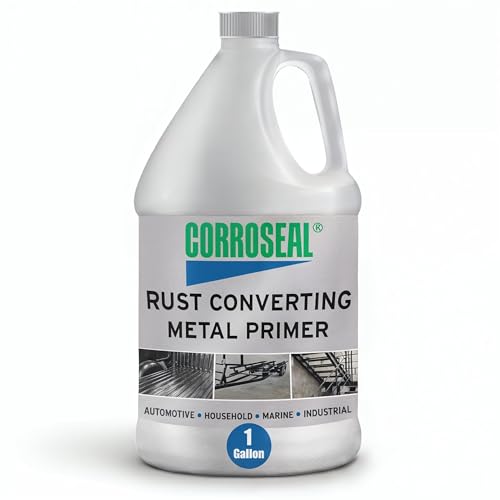
Next, I apply a rust converter to areas where deep corrosion has occurred. This product chemically transforms rust into a stable compound, preventing further deterioration. I let it cure fully as per the manufacturer’s instructions, ensuring it bonds well to the surface.
Surface Preparation and Priming
After the converter has dried, I thoroughly clean the surface with a cloth to remove any remaining debris or dust. Then, I use a high-quality primer formulated for heavy-duty applications on these surfaces. It’s essential to select one that offers corrosion resistance, applying it in even coats to ensure full coverage.
Final Coating and Maintenance
Once the primer is dry, I proceed with a durable topcoat designed for outdoor conditions. Spray or brush application works well; I prefer spraying for a smoother finish. Regularly check for any signs of deterioration; prompt touch-ups will help in prolonging the lifespan of the repaired pieces.
Preventive measures against rust formation
Regular maintenance is essential. I apply a protective coating of rust-inhibiting paint or a specialized metal sealant at least once a year. This creates a barrier that prevents moisture from reaching the surface.
After rainfall or high humidity, I ensure all surfaces dry thoroughly. Water accumulation can lead to corrosion, so I store the items indoors during adverse weather or use heavy-duty covers designed for outdoor use.
I regularly inspect for scratches or dents. I immediately repair any damage to the protective coating, as exposed areas are more prone to oxidation. Using touch-up paint helps preserve integrity.
Using a soft cloth instead of abrasive materials for cleaning prevents unintentional damage to the surface finish. I always choose non-corrosive cleaners to avoid chemical reactions that can lead to deterioration.
I maintain optimal air circulation by positioning items away from walls or other objects that may trap moisture. This simple arrangement significantly reduces the risk of corrosion.
Lastly, I periodically apply a thin layer of wax, which acts as an additional barrier against moisture while providing a visually appealing sheen. This easy step enhances both protection and aesthetics.
Best Painting Techniques for Metal Furniture
The most effective way to refresh your outdoor seating is by applying a high-quality spray paint formulated for use on metal. I recommend using a primer specifically designed for glossy surfaces to ensure adhesion and durability. Start with a clean, rust-free base to enhance the final finish.
Application Tips
Before painting, make sure to work in a well-ventilated area. Hold the spray can about 6-12 inches from the surface, applying several thin coats rather than one thick layer. This technique minimizes drips and allows for even coverage. I recommend moving in a steady left-to-right motion, overlapping each stroke slightly to avoid streaks.
Brush and Roller Techniques
If you prefer using a brush or roller, choose synthetic bristles or foam rollers designed for smooth surfaces. Start with a brush to reach the intricate areas. Afterward, use a roller for larger sections, ensuring you maintain a wet edge to prevent lap marks. Always apply multiple coats, allowing adequate drying time between applications.
Applying rust-resistant coatings
Choosing a quality rust-resistant coating is paramount for safeguarding outdoor items. I prefer products that contain zinc or epoxy for their durability and protective properties.
Preparation Steps
Ensure the surface is clean and dry before application. I lightly sand the surface to enhance adhesion. Using a degreaser or soapy water helps remove contaminants effectively.
Application Techniques
Using a spray applicator offers even coverage. I maintain a consistent distance from the surface to prevent drips. Multiple thin coats yield better results than one thick layer. Allow adequate drying time between coats, following the manufacturer’s instructions.
For added protection, I opt for a topcoat designed for outdoor use. This extra layer acts as a barrier against moisture and UV damage. Regular inspection and maintenance extend the longevity of the protective layer.
Regular maintenance tips for outdoor furniture
Incorporate a routine clean with mild soap and water every few weeks. This prevents dirt buildup and helps maintain the overall look.
Check for Damage
Inspect regularly for any signs of wear or deterioration. Address small issues promptly to prevent them from escalating into larger repairs.
Seasonal Care
Before winter, thoroughly clean and dry all items. Store them in a sheltered area if possible, or cover them securely to shield against the elements.
Apply a fresh coat of protective sealant every couple of years. This acts as a barrier against moisture and environmental factors that can compromise quality.
Use soft brushes or microfiber cloths to avoid scratching surfaces during cleaning. Abrasive materials can cause hidden damage and lead to premature aging.
For woven designs, vacuum or shake out debris to keep the weave clean and free from potential mold growth.
Storing Outdoor Seating During Off-Seasons
Before placing seats and tables in storage, I ensure they are clean and completely dry to prevent mold or mildew. Opting for a sheltered area, such as a garage or shed, is key to protecting pieces from harsh weather conditions.
I stack chairs or disassemble pieces when possible to save space and minimize potential damage. Using a tarp or furniture cover specifically designed for outdoor items offers an extra layer of protection against dust, dirt, and moisture.
In my experience, placing a few moisture-absorbing packets or silica gel bags in storage locations reduces humidity and keeps the environment dry. I also recommend keeping items off direct contact with the floor using pallets or bricks to prevent moisture exposure from underneath.
Keeping an inventory or checklist helps track items stored away, making retrieval easier when the season returns. Finally, I routinely inspect stored pieces for any signs of surface issues or corrosion and address them promptly to ensure they’re in prime condition for future use.


