
 Caleb Turner

If I want to ensure a clean living space, regular vacuuming using a vacuum equipped with a HEPA filter is key. This type of filter captures microscopic particles, including those from furry companions, effectively removing them from upholstery and carpets.
Incorporating lint rollers into my cleaning routine is another effective tactic. By rolling these simple tools over cushions and chairs, I can easily collect loose hairs and allergens. This method requires minimal effort and provides immediate results.


To maintain a fresher environment, I find it beneficial to employ microfiber cloths for dusting. These cloths attract debris and particles rather than just moving them around, making it easier to keep surfaces clear of allergens.
Regular washing of any removable fabric covers or throws is crucial. I aim for high temperatures during laundering, as this helps to eliminate any allergens that may have settled within the fabric fibers.
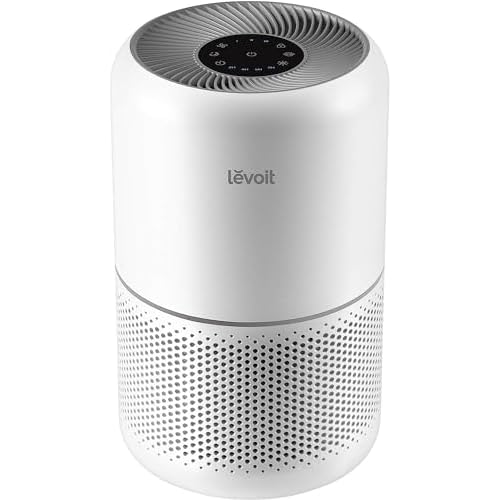
Finally, maintaining low humidity levels can also assist in minimizing allergens, as moisture can exacerbate the presence of these irritants. Utilizing dehumidifiers or air purifiers provides an additional layer of protection and comfort in my living space.
Method for Eliminating Fur Particles from Surfaces
Utilize a vacuum cleaner equipped with a HEPA filter. This type of filter captures even the smallest particles effectively. Regular vacuuming is key; aim for at least twice a week to maintain cleanliness.
Additional Steps to Enhance Results
- Wipe surfaces with a damp cloth. This technique helps collect residual hair and dust, preventing particles from becoming airborne.
- Utilize lint rollers. They are quick and portable, perfect for removing hairs from upholstery.
- Invest in anti-static sprays specifically designed for soft furnishings to repel allergens.
Consider fabric covers that allow easy washing. Select materials that are tightly woven to minimize adhesion of microscopic allergens.
Routine Maintenance for Optimal Cleanliness
- Schedule deep cleaning sessions monthly, involving steam cleaning or professional services.
- Encourage your animals to stay off certain surfaces, using training or barriers as necessary.
- Regularly wash all removable coverings to eliminate accumulated residues.
Implementing these strategies will significantly reduce particles and create a fresher environment in your living space.
Selecting the Right Cleaning Supplies
Choosing appropriate cleaning supplies is a key factor for effectively removing allergens from surfaces. Focus on products specifically formulated to trap or eliminate these irritants.
Types of Cleaning Supplies
- Microfiber Cloths: Opt for microfiber cloths instead of traditional rags. They are designed to capture particles without scattering them back into the air.
- Vacuum Cleaners: Invest in a vacuum equipped with a HEPA filter. This feature ensures even the smallest particles are captured, preventing them from being released back into the environment.
- Allergen Sprays: Look for sprays that contain enzymes. These can break down and neutralize irritants, making elimination easier.
Natural vs. Chemical Products
- Natural Options: Consider using vinegar or baking soda for spot cleaning. These household items are effective at neutralizing odors and cutting through buildup.
- Chemical Cleaners: If opting for commercial solutions, ensure they are labeled hypoallergenic. This minimizes potential irritation while still providing cleaning power.
Assess the materials of your belongings before selecting cleaning agents, as some surfaces require specific care to avoid damage.
Regular Vacuuming Techniques for Upholstery
I recommend using a vacuum with a HEPA filter to effectively capture allergens trapped in upholstery. Start by ensuring the vacuum is equipped with the appropriate attachments, such as a soft brush or upholstery nozzle, to prevent damage to the fabric.
Before vacuuming, clear the area of any loose items and debris. This makes the process smoother and ensures that all surfaces are addressed. I find it helpful to vacuum in different directions–this technique loosens embedded particles from the fibers, allowing them to be better captured during suction.
Focus on high-traffic areas and spots where pets frequently rest. Pay special attention to crevices and seams, as these are common hiding spots for allergens. For optimal results, I usually move slowly and methodically to maximize suction and ensure thorough cleaning.
Additionally, I recommend vacuuming regularly, ideally once a week, to maintain cleanliness. For homes with multiple animals, increasing the frequency may be necessary. Consider using a handheld vacuum for quick spot cleaning between deep cleaning sessions.
After vacuuming, a microfiber cloth can be used to wipe down surfaces, catching any remaining dust or allergens. This two-step approach–vacuuming followed by wiping–ensures a cleaner environment and helps reduce allergy triggers effectively.
Using Lint Rollers for Quick Removal
I frequently rely on lint rollers for fast and convenient clean-ups. Their adhesive sheets grab fine particles including fur and hair effortlessly. For optimal results, I choose a roller with a strong stickiness level to capture as much as possible in one go.
Technique Application
To maximize efficiency, I roll in one direction–back and forth often leads to missed spots. I cover each section thoroughly, ensuring no area is overlooked. For fabrics with intricate weaves, I press firmly to allow the adhesive to penetrate effectively.
Maintenance Tips
After several uses, I replace the sheet to maintain its adhesive power. Storing the roller in a convenient spot prevents delays during cleaning sessions. It’s handy for quick touch-ups around guests too, ensuring my space remains tidy without much effort.
Washing Fabrics: Curtains, Cushions, and Throws
I recommend checking the care labels on your curtains, cushions, and throws before proceeding. Most can be machine washed, but it’s crucial to use the correct settings. Opt for a gentle cycle with cold water to minimize damage.
For curtains that can’t be laundered, a high-efficiency steam cleaner is effective. This removes allergens without the need for water, which can damage delicate fabrics.
Cushion covers often zip off. Washing them separately is straightforward; use a mild detergent and ensure they dry completely to prevent mildew. If your cushions are foam, spot cleaning with a damp cloth and mild soap works best.
Throws can generally go directly into the washing machine. For heavy or knitted ones, hand washing is preferable. This ensures the fabric retains its shape and softness.
I find that washing these items every few weeks significantly helps in maintaining a clean and allergen-free environment.
Implementing Air Purifiers in Your Space
I recommend integrating air purifiers for optimum allergen control. Focus on models equipped with HEPA filters, as they capture fine particles effectively. Choose a unit based on room size; the rating should match your environment for best results.
Consider placement strategically. Position the purifier in areas where airflow is greatest, ideally in living spaces and bedrooms. Keep furniture away to ensure maximum air circulation around the device. Regular maintenance, like replacing filters every 6 to 12 months, ensures peak performance.
Utilize multiple units if your home is extensive or has various pet zones. This helps maintain consistent air quality. Many air purifiers offer additional features like air quality indicators and smart controls for improved convenience.
| Model | Room Size (sq ft) | Filter Type | Replacement Frequency |
|---|---|---|---|
| Brand A | 500 | HEPA | 12 months |
| Brand B | 800 | HEPA + Activated Carbon | 6 months |
| Brand C | 300 | HEPA | 12 months |
| Brand D | 1000 | HEPA | 6 months |
Analyzing noise levels is essential; select a quieter model for uninterrupted activities. Regularly cleaning the surrounding area of the purifier prevents the return of allergens. This combination of approaches fosters a noticeably cleaner living environment.
Establishing a Pet Grooming Routine
I recommend brushing your animal at least two to three times a week, depending on the type of coat. Long-haired breeds may require daily grooming, while short-haired ones benefit from less frequent sessions.
During grooming, I focus on specific areas prone to loose hair accumulation, such as behind the ears, under the legs, and around the tail. Using a de-shedding tool can effectively reduce the amount of loose hair released into the environment.
Bathing this creature monthly helps control not only the hair but also skin flakes or other irritants. Opt for a hypoallergenic shampoo to minimize allergic reactions. After bathing, thoroughly drying the coat is crucial to prevent mold and odor.
If available, scheduling professional grooming sessions every 4-6 weeks ensures a deeper clean and specialized care that may be out of reach with home grooming. This regularity can significantly maintain cleanliness.
Consider integrating nail trimming into the routine, as sharp nails can hold onto fur and debris, allowing them to transfer to upholstery. A well-groomed animal sheds less and maintains healthier skin, leading to fewer allergens in your home.
Finally, establishing a consistent bonding time during these grooming sessions can help your companion become more accustomed to regular handling, fostering a positive grooming experience.
Creating Pet-Free Zones in Your Home
Establish specific areas where animals aren’t allowed. Designate certain rooms, like bedrooms or offices, as off-limits. This step reduces allergens significantly.
Implement physical barriers such as pet gates or closed doors. These tools effectively limit access and help maintain those areas free from animal hair and associated particles.
Incorporate furniture arrangements that create a clear boundary. For instance, keeping couches and chairs away from entrances can discourage your furry friends from entering restricted spaces.
Consider using specific rugs or mats in these zones that are easy to clean. Selecting low-pile options minimizes the retention of hair, making it simpler to ensure the area remains clean.
Use air filtration systems in these rooms for additional precaution. An air purifier will capture airborne particles, contributing to a fresher environment.
Regularly communicate with family and guests about these designated areas. Encouragement and reminders ensure that everyone adheres to the rules, preserving the cleanliness of those spaces.
Maintain a consistent cleaning schedule for these zones. Frequent vacuuming and dusting help in controlling allergen buildup, reinforcing the intended purpose of those areas.


