Caleb Turner
I recommend using a fabric shaver or lint remover for tackling unsightly fabric bumps on your upholstered pieces. This tool quickly removes those annoying fibers without damaging the underlying material. For optimal results, move the device gently in the same direction as the fabric weave.
If you prefer a more hands-on approach, consider a pair of sharp scissors for careful trimming. Ensure to hold the fabric taut while snipping off the excess fuzz. This method may require a bit more patience but allows for precise control over the areas being treated.


After addressing the surface, regular maintenance makes a difference. Vacuum your upholstered items weekly with an upholstery attachment to prevent buildup and maintain their fresh look. Additionally, protect your fabrics with a spray designed to repel stains and liquids, providing an extra layer of defense against wear and tear.
If your upholstery allows, applying a soft brush can dislodge lint and fuzz effectively. Use long, even strokes to preserve the integrity of the fabric while rejuvenating its appearance. A fabric refresher spray can also enhance the overall look and feel, making your space feel renewed.
Understanding the Causes of Fabric Bunching on Upholstery
Identifying the source of fabric bunching is crucial for effective maintenance. Friction plays a significant role; areas subjected to constant movement, like armrests or seat surfaces, often experience accelerated wear. Low-quality fibers, especially those made from synthetic materials, are more prone to clusters forming as they fray easily under stress.
The type of weave also influences durability. Loose weaves, while soft and comfortable, are less resilient to abrasion, causing the fibers to break and create those unsightly lumps. Additionally, the presence of lint and debris can exacerbate the issue, trapping particles that increase friction during normal use.
Environmental factors should not be overlooked. Humidity and temperature fluctuations can affect the integrity of the fabric. High moisture can weaken fibers, making them more susceptible to damage and bunching. Ignoring these aspects can lead to more frequent occurrences.
Regular cleaning and proper care are essential to mitigate these factors. I recommend using a lint roller or soft brush to remove loose particles. This simple step can prolong the fabric’s life and maintain its appearance.
Identifying Different Types of Fabrics and Their Pilling Behavior
Recognizing the types of materials in your upholstery can greatly influence how you address fuzz balls. Popular fibers include wool, cotton, polyester, and rayon, each exhibiting distinct reactions to wear and tear.
Wool and Blends
Wool typically resists forming fuzz due to its natural properties but may still develop small balls over time, especially when mixed with synthetic fibers. Opt for fabrics with a tighter weave to mitigate this issue. Regular brushing with a lint brush can help maintain its appearance.
Synthetic Fabrics
Polyester and acrylic fabrics often have a higher tendency to show fuzz due to their structure, which can trap fibers more easily. While these materials are durable, using a fabric shaver can effectively remove unwanted threads. For maintenance, vacuuming the surface regularly helps keep them looking fresh.
Understanding your upholstery’s composition is key to prolonging its life. Each type of fabric requires tailored care methods to limit unwanted fiber formation and maintain the beauty of your textiles.
Tools and Materials Needed for Removing Fabric Bumps
For effective removal of unwanted fabric lumps, I recommend having the following tools and materials ready:
Essential Tools
- Lint Remover or Fabric Shaver: This handheld device efficiently removes trailers from various textiles without damaging the surface.
- Pumice Stone: A natural option that works well on thicker fabrics, providing a gentle abrasive action.
- Scissors: Sharp scissors allow for precise trimming of any stubborn fibers or threads that a lint shaver may miss.
- Sticky Tape: A quick solution to lift off fabric debris, especially from delicate materials. Use wide tape for best results.
Additional Materials
- Soft Brush: An old toothbrush or similar soft-bristled brush helps in loosening and sweeping away fuzzy particles.
- Vacuum Cleaner with Upholstery Attachment: This aids in sucking up loose fibers and debris once they’ve been dislodged.
- Fabric Conditioner: Applying a fabric conditioner during the laundering process will help reduce future fuzziness.
- Iron and Ironing Board: Steam can help relax fibers, making it easier to remove any remaining imperfections.
Step-by-Step Guide to Using a Fabric Shaver
Prepare the area by placing a clean cloth or sheet beneath the item. This catches any debris created during the shaving process. Ensure sufficient lighting to properly see areas requiring attention.
1. Assemble Your Fabric Shaver
Begin by checking that your fabric shaver is charged or plugged in. Some models have settings for different fabric types; select the appropriate one based on the material being treated.
2. Test a Small Section
Select an inconspicuous area to test the shaver. This helps determine if the device is safe for your particular textile while allowing you to familiarize yourself with its operation.
3. Shave the Surface
Gently glide the fabric shaver over the surface. Avoid pressing too hard; let the device do the work. Move in a consistent direction, allowing the blades to capture loose fibers effectively.
4. Clear the Collection Chamber
Regularly empty the collection chamber to maintain optimal performance. Accumulation of fibers can hinder the efficiency of the shaver. Check for any blockages in the blades as well.
5. Final Touches
After completing the shaving process, examine the area closely for any remaining imperfections. If necessary, you can go over specific spots again, but be cautious to avoid over-shaving.
| Step | Action |
|---|---|
| 1 | Assemble the shaver and choose the correct setting. |
| 2 | Test a hidden area to ensure compatibility. |
| 3 | Gently glide the shaver over the fabric surface. |
| 4 | Empty the collection chamber regularly. |
| 5 | Inspect for remaining fibers and touch up if necessary. |
This method offers a convenient way to maintain the appearance of textiles, prolonging their life and freshness. Regular upkeep can make a significant difference in the overall look of your items.
Manual Methods: Using a Lint Roller and Sticky Tape
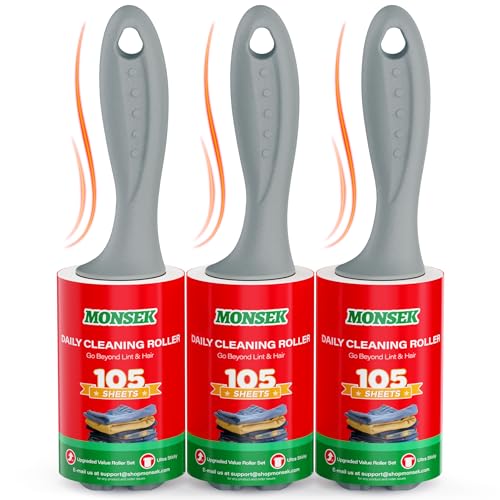
For quick removal of unsightly fibers from your upholstery, a lint roller is highly effective. Roll it gently over the fabric surface, ensuring a smooth motion to catch all loose strands. Replace sheets as needed to maintain efficiency. This method works particularly well on relatively flat, non-textured textiles.
Utilizing Sticky Tape
If a lint roller isn’t available, sticky tape serves as an excellent alternative. Cut a piece of tape about 6 inches long. Press the sticky side onto the blemished area, then lift it away to remove debris and fuzz. Repeat this process until the fabric appears cleaner. Make sure to use an adhesive tape that’s not too strong to avoid damaging delicate materials.
Additional Tips
Both methods are best utilized regularly to maintain your upholstery’s appearance. Always test any product on a small, inconspicuous area first to avoid unintended damage. Keeping a lint roller or a roll of tape nearby can be a simple way to keep things looking tidy.
Preventive Measures to Reduce Future Pilling
Regular maintenance and care can significantly minimize fabric wear. Here are some actionable steps I incorporate:
1. Choose Fabrics Wisely
- Opt for tightly woven textiles like denim or canvas, as they are less prone to forming knots.
- Avoid materials labeled as “fuzzy” or those made with loose fibers.
2. Limit Friction
- Reduce contact with abrasive surfaces. Using coasters or placemats can protect soft upholstery during use.
- Keep pets away from areas with delicate fabrics; their claws can contribute to fiber damage.
3. Regular Cleaning Routine
- Vacuum upholstery with low suction settings to remove loose debris that can cause damage.
- Use a lint brush weekly to capture any loose fibers before they result in knots.
4. Proper Washing Techniques
- Follow care labels strictly when washing. Utilize gentle cycles and cold water whenever possible.
- Wash similar textures together to minimize friction between differing fabrics.
5. Store Carefully
- Use garment bags for delicate items to prevent snagging when not in use.
- Store items in a cool, dry place to avoid moisture that can weaken fibers.
By applying these strategies consistently, I maintain the appearance of my upholstery and extend its lifespan, keeping unsightly clusters at bay.
When to Seek Professional Help for Furniture Restoration
If attempts to restore your upholstery are unsuccessful or the damage is extensive, it’s time to contact an expert. When noticeable fibers are damaged or the fabric shows signs of wear beyond surface-level issues, hiring a professional can ensure a thorough repair without compromising the integrity of the material.
Complex patterns or weaves may require specialized knowledge to navigate successfully. If the upholstery is made from rare or delicate materials, having a trained technician will safeguard against further deterioration during restoration efforts.
Additionally, if I lack confidence in my ability to perform repairs without risking more damage, turning to a specialist may be the best choice. Professionals possess the right tools and experience to handle intricate work, ensuring that the upholstery is treated correctly.
Another indicator is when repairs involve more than basic upkeep, such as reupholstering or structural fixes of the piece. In these situations, seeking expertise can significantly improve the outcome.
Lastly, if the cost of materials and time needed for DIY attempts begins to surpass the price of professional restoration, it often makes sense to invest in expert services for a satisfactory and enduring result.